
Nikon Disqualifies AI-Generated Video from Small World Competition
The winner of Nikon's Small World in Motion competition has been disqualified after it was revealed the prize-winning video was generated using AI. The decision has sparked debate within the scientific imaging community.

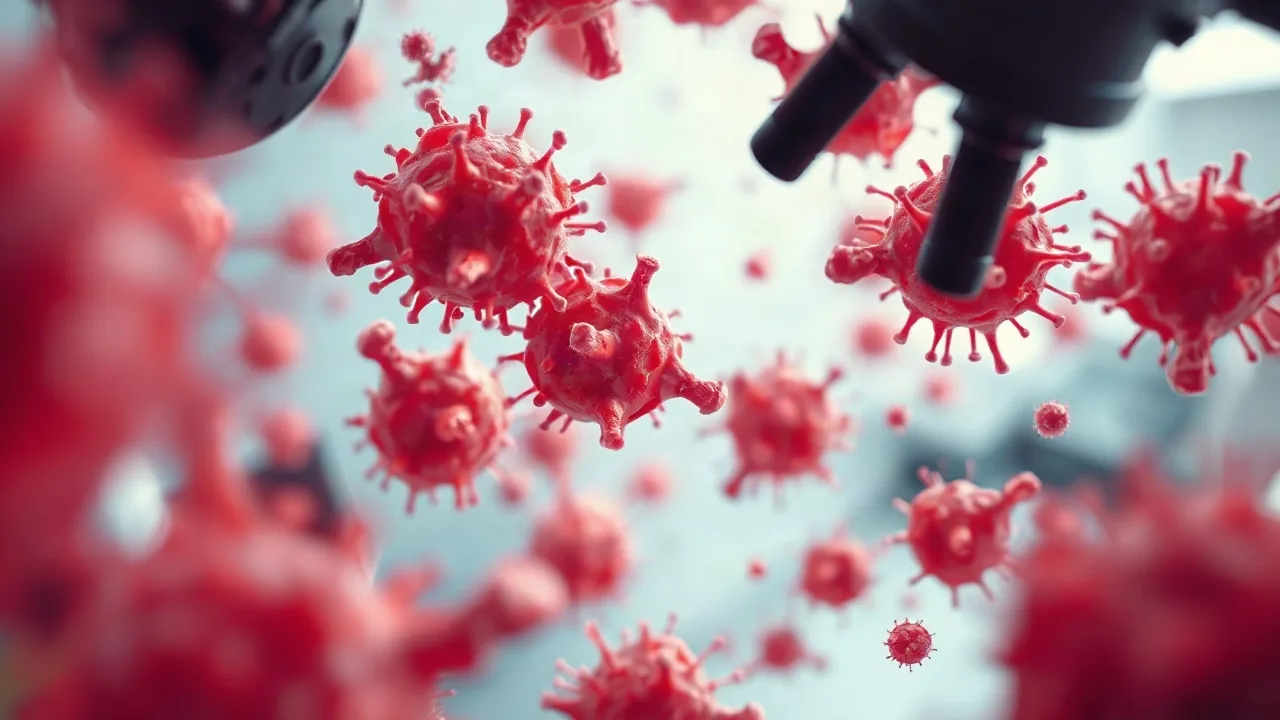
The prestigious Nikon Small World in Motion competition has disqualified its first-place winner after discovering the winning entry was created using artificial intelligence. The announcement, made by Nikon on October 7, 2026, follows an investigation into the video, which had initially impressed judges with its stunning visuals.
The competition, renowned for celebrating exceptional microscopic photography and videography, saw its top honor revoked when evidence emerged suggesting the submission did not adhere to the contest's guidelines prohibiting AI-generated content. While Nikon has not publicly identified the entrant or the specific AI tools used, the disqualification has ignited a conversation about the role of artificial intelligence in scientific visualization and artistic competitions.
The AI Debate in Scientific Imaging
This incident highlights a growing tension in fields where technology blurs the lines between human creativity and machine generation. Nikon's Small World competition has a long-standing tradition of showcasing real-world microscopic observations, emphasizing the importance of authentic scientific documentation. The use of AI, particularly generative AI capable of creating entirely new imagery from prompts, presents a challenge to these established values.
Officials from Nikon stated that their investigation confirmed the winning video utilized AI generation, violating the competition's rules. "While we celebrate innovation and the evolving capabilities in imaging technology, the Nikon Small World competition is dedicated to showcasing genuine microscopic discoveries and the artist's hand in capturing them," a spokesperson for Nikon said in a statement. "The integrity of the competition relies on entries that represent authentic visual data."
The disqualification comes at a time when AI technologies are rapidly advancing, permeating various creative and scientific disciplines. In scientific imaging, AI tools are increasingly used for tasks like image enhancement, noise reduction, and even reconstructing low-resolution data. However, the use of AI to create entire images or videos from scratch is a more contentious issue, especially when authenticity and originality are paramount.
The scientific community and amateur photographers alike have voiced mixed reactions. Some argue that AI tools, when used ethically and transparently, can be valuable aids in scientific visualization, helping to communicate complex microscopic phenomena more effectively. Others express concern that AI-generated content could devalue the skill and dedication of human photographers and potentially mislead audiences about the nature of observed phenomena. The implications for future scientific discovery and the credibility of visual evidence are significant.
Nikon has indicated that it will review its competition guidelines to address the increasing sophistication of AI tools and ensure clarity for future participants. The company remains committed to fostering genuine scientific exploration and artistic expression through its renowned competition.