
Nvidia Shield TV Pro Price Jumps $100 Amid AI Chip Demand
Nvidia has increased the price of its Shield TV Pro streaming device by $100, raising it to $299. The company cites rising DRAM costs, exacerbated by demand for AI hardware.

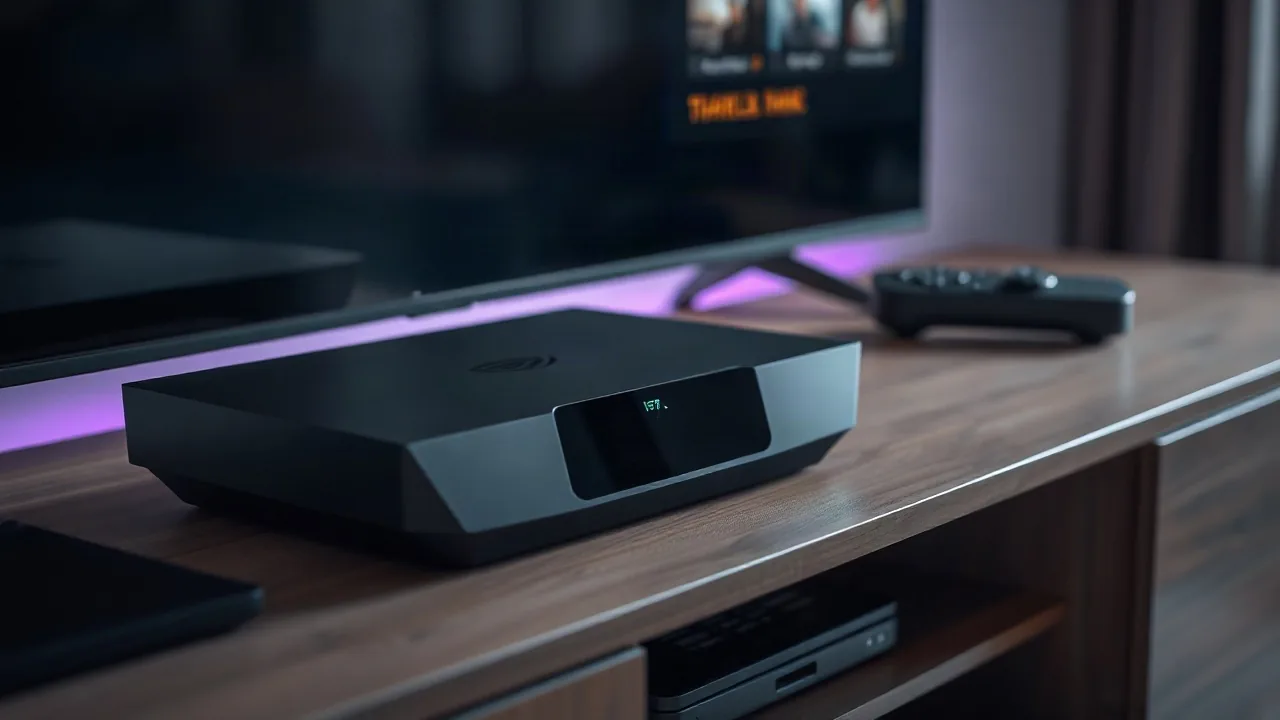
Nvidia has implemented a significant $100 price increase on its Shield TV Pro streaming device, bringing the new retail price to $299. The move, which affects a product that has been a staple for high-end media streaming for years, is attributed by the company to rising costs for components, specifically DRAM, which have been further strained by the surging global demand for advanced chips used in artificial intelligence applications.
The Nvidia Shield TV Pro has long been a favored choice for consumers seeking a premium streaming experience, offering features like 4K HDR streaming, extensive app support, and Nvidia's own gaming capabilities. This price adjustment marks a substantial jump for the device, which has historically maintained a relatively stable price point, making it a considerable factor for potential buyers considering a new media streamer.
Component Costs and AI's Impact
In an explanation to Ars Technica, Nvidia pointed to the escalating costs of DRAM, a critical memory component. The company indicated that the competitive landscape for these memory chips has intensified, partly due to their essential role in the production of AI accelerators and other high-performance computing hardware. This increased demand from the burgeoning AI chip market has created supply chain pressures that are now impacting the cost of consumer electronics like the Shield TV Pro.
The surge in demand for AI-related hardware has created a ripple effect across the semiconductor industry. Manufacturers are prioritizing production for these high-margin, cutting-edge components, leading to tighter supplies and higher prices for more common semiconductor elements, including DRAM. This situation is not unique to Nvidia; many electronics manufacturers are grappling with similar supply chain challenges and component cost increases.
This price hike also comes as Nvidia discontinues the standard Shield TV model, focusing its efforts on the Pro version. The company's strategic decision to streamline its product line might also reflect a broader market assessment of where consumer demand lies for its streaming hardware. By increasing the price of the Pro model, Nvidia may be aiming to align its profitability with the increased costs and potentially capitalize on the premium segment of the streaming device market.
For consumers, this means that high-quality streaming and media center capabilities come at a steeper price. The Nvidia Shield TV Pro has always positioned itself as a premium option, and this price increase reinforces that status. Competitors in the streaming device market, such as Amazon's Fire TV devices and Google's Chromecast with Google TV, offer lower-priced alternatives, though often without the same level of processing power or advanced features that the Shield TV Pro provides. This pricing strategy will likely lead consumers to more closely evaluate the specific benefits offered by the Shield TV Pro against its new, higher cost.
The situation highlights the complex interplay between high-growth technology sectors like AI and the broader consumer electronics market. As the demand for sophisticated AI solutions continues to grow, the costs associated with the underlying hardware infrastructure are likely to remain elevated, impacting the pricing of a wide range of devices beyond just high-end streaming boxes. The semiconductor supply chain, now heavily influenced by the needs of AI development, presents ongoing challenges for manufacturers aiming to deliver affordable consumer technology.