
October 2026 Stargazing: Meteor Showers, Saturn, and Aurora Spectacles
October 2026 offers exceptional celestial viewing with three meteor showers, the optimal time to see Saturn's rings, and potential Northern Lights displays.

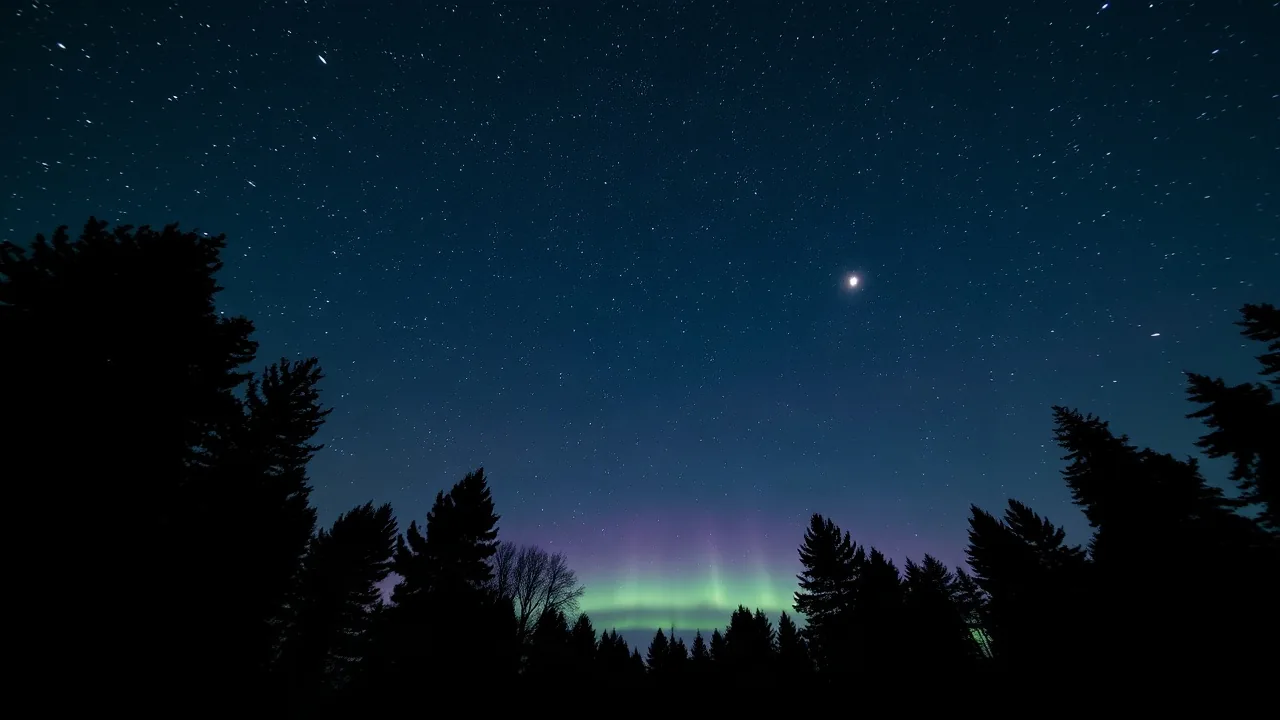
October 2026 promises a spectacular celestial display for stargazers across the United States, featuring multiple meteor showers, the peak visibility of Saturn, and opportunities to witness the awe-inspiring Northern Lights. The month kicks off with Saturn reaching its opposition on October 4th, making it appear brighter and larger than at any other point in the year. This event is particularly significant as it provides the best chance for observers, even those without telescopes, to discern the planet's iconic rings.
Following Saturn's grand appearance, the night sky will be further enlivened by three distinct meteor showers. The Draconids, known for its typically modest but sometimes surprising bursts of activity, will occur in early October. Later in the month, the Orionids, originating from debris left by Halley's Comet, will offer a more prolific display. For those seeking an active viewing experience, the Taurids, which are known for producing bright fireballs, will also be active throughout October.
Auroras and Galactic Views
Beyond the showers and planetary highlights, October 2026 may also bring chances to witness the aurora borealis, or Northern Lights, further south than typically observed. While conditions are highly dependent on solar activity, periods of increased geomagnetic storms can push the aurora's visibility to lower latitudes. This presents a unique opportunity for many to experience this natural light show. Additionally, as the warmer months fade, the darker nights of October offer excellent conditions for viewing the Milky Way, with the galactic core becoming more prominent before winter conditions set in.
The optimal viewing conditions for these events, such as clear, dark skies, will be crucial. Astronomers recommend getting away from urban light pollution for the best experience. While Saturn's rings are best seen with optical aid, the meteor showers are best observed with the naked eye. The Northern Lights, if visible, are also a naked-eye phenomenon. The convergence of these celestial events in October 2026 provides a compelling reason for both amateur and seasoned astronomers to prepare their viewing equipment and find optimal vantage points.
This alignment of astronomical events offers a rare chance for widespread public engagement with astronomy. The meteor showers provide accessible, often dramatic visual experiences, while Saturn's opposition offers a tangible connection to our solar system's wonders. The potential for auroral displays adds an element of unpredictable beauty, reminding us of the dynamic relationship between Earth and the Sun. Such events serve as a potent reminder of the vastness and grandeur of the cosmos, encouraging curiosity and a deeper appreciation for the night sky.