
Pixel 11 Price Jumps to $899, Undercutting iPhone 17 Value
Google's upcoming Pixel 11 may launch at a higher $899 price point, surpassing the expected iPhone 17 cost and shifting the brand's value proposition.

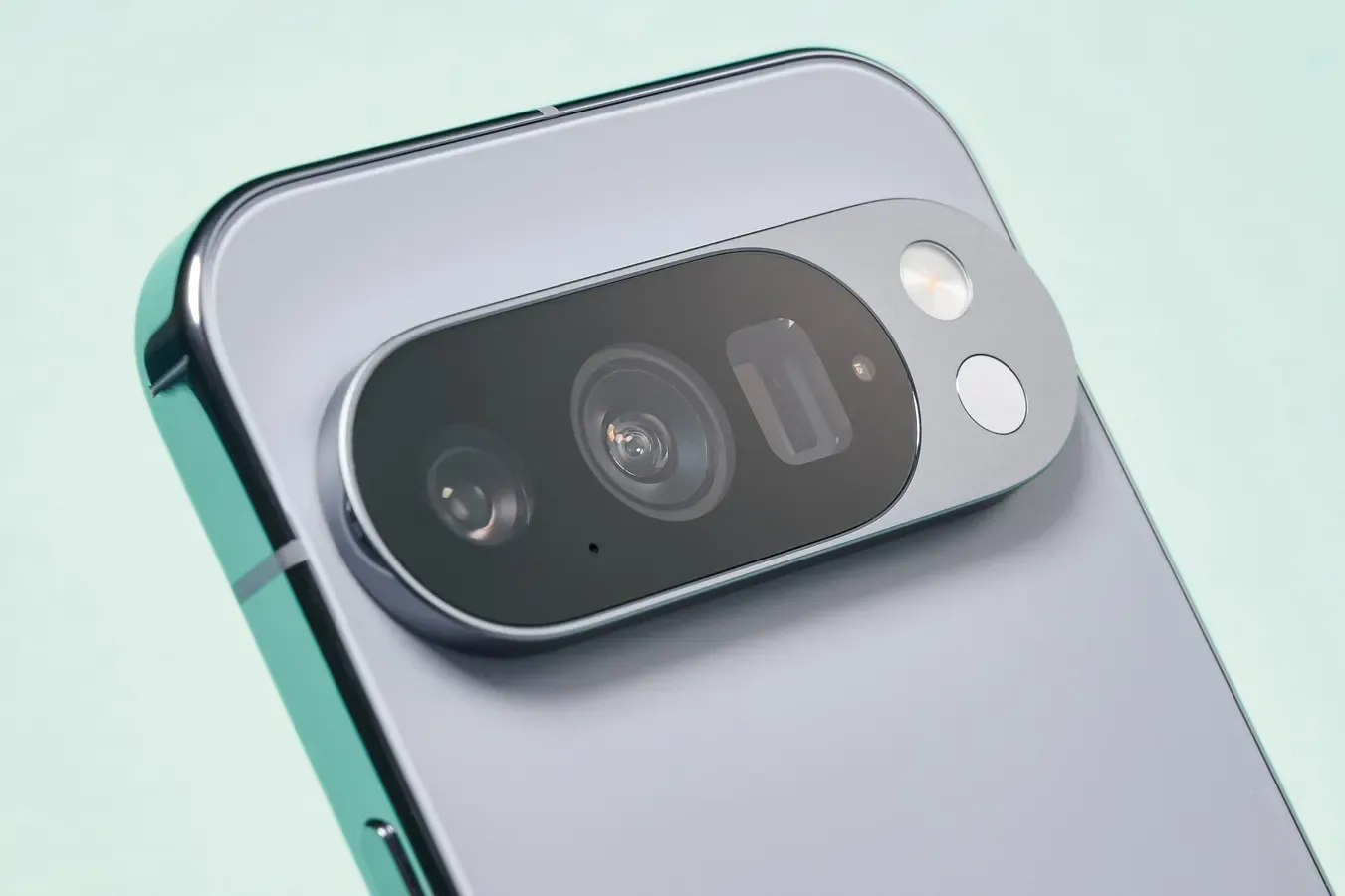
Google's next flagship smartphone, the Pixel 11, is poised to launch with a starting price of $899 for the 256GB model, a significant increase from its predecessors and potentially undercutting the anticipated value proposition against Apple's upcoming iPhone 17. Leaked Amazon listings, first reported by Android Authority, indicate a $100 jump from the Pixel 10's base price, a move that could challenge Google's long-standing appeal of offering premium features at a competitive cost.
This price hike comes amidst industry-wide increases in component and memory costs, which are also reportedly affecting Samsung and Apple's pricing strategies for their latest devices, including the Galaxy S26 and iPhone 17. While the Pixel 11's base storage doubles from 128GB to 256GB, the increase in cost raises questions about Google's strategy, as price has historically been a primary differentiator for the Pixel line, alongside its renowned camera capabilities. With advancements in smartphone photography closing the gap across manufacturers, Google may need to lean more heavily on other unique selling points.
Gemini Intelligence as the New Hook
The primary argument for the Pixel 11 appears to be its integrated Gemini Intelligence suite. This advanced AI system promises to handle complex, multi-step tasks across various applications with minimal user intervention. Functionalities could include managing calendars, booking reservations, and compiling shopping lists from notes, all driven by the phone's ability to reason and act autonomously on behalf of the user. This agentic AI approach moves beyond simple voice commands, positioning the Pixel 11 as a device that can actively assist users by performing intricate workflows, such as drafting email replies, updating calendars, and confirming purchases without manual step-by-step input.
If the Pixel 11 cannot compete on price, Google will likely shift its marketing focus to highlight these AI-driven capabilities, suggesting that the Pixel 11 offers functionalities currently unavailable on competing platforms like the iPhone. The potential restriction of Gemini Intelligence to only the newest Google and Samsung devices could further bolster this persuasive argument. However, the widespread deployment of such advanced AI on millions of devices introduces significant security considerations, particularly concerning prompt injection attacks. These attacks exploit hidden text prompts to trick AI into bypassing its safety rules.
While Google has implemented layered defenses and an AI 'critic' model to monitor its agent's actions, and has stated users will have final approval for any purchases, questions remain about the AI's ability to discern legitimate transactions from potential scams. OpenAI has previously acknowledged prompt injection as a persistent research challenge, making Google's specific protective measures for the Pixel 11 a critical area of interest.
Historically, Google has frequently offered discounts on its Pixel devices, including the current Pixel 10 which sees a substantial reduction for its Pro model. The ongoing rise in supply chain costs, however, raises doubts about Google's capacity to maintain such aggressive pricing strategies. The Pixel brand has often been viewed less as a direct profit center and more as a vehicle to distribute Google services and AI capabilities. This allows for greater flexibility in absorbing costs. Whether this flexibility persists in a high-cost environment remains to be seen, and will likely become clearer once initial discounts for the Pixel 11 begin to surface.