
Galaxy Watch9 Health Features: Fitness Index, Sleep Coaching & More
The new Samsung Galaxy Watch9 offers advanced health tracking, including a Fitness Index, personalized sleep coaching, and an "Antioxidant Index" to monitor overall wellness.

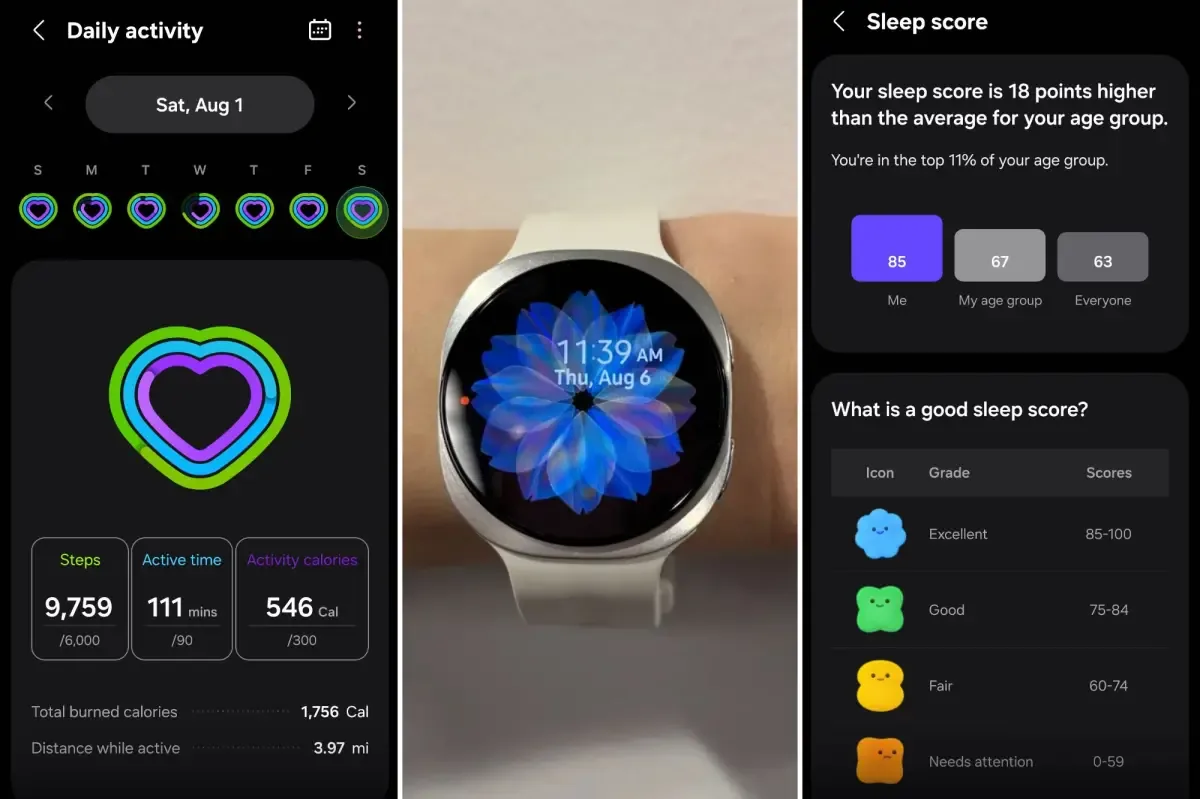
The latest iteration of Samsung's smartwatch, the Galaxy Watch9, has arrived with an array of advanced health and fitness tracking capabilities designed to offer users a more comprehensive understanding of their well-being. Officially launched on August 7, 2026, this new device aims to go beyond basic step counting, incorporating features like a detailed Fitness Index, personalized sleep coaching, and unique health metrics for proactive wellness management.
In a hands-on test, the 40mm Bluetooth version of the Galaxy Watch9, priced at $379.99 (with the 44mm model at $409.99), demonstrated its sophisticated tracking. The device requires a connection to a compatible Android phone, and specifically a Galaxy phone, to unlock its full suite of advanced health features, mirroring the ecosystem lock-in seen with competitors like the Apple Watch. An LTE option is also available for an additional $50.
One of the standout new additions is the Fitness Index. This feature provides users with a comparative score against their peers, based on data gathered from various activities including workouts and body composition scans. It assesses five key indicators: cardiorespiratory fitness, muscular endurance, muscular strength, body composition, and flexibility. Users can set personal fitness goals, such as improving overall fitness, and the watch will then offer weekly missions tailored to achieving them. For instance, a user aiming to improve overall fitness might be tasked with completing specific durations of strength training, cardio, flexibility, and endurance exercises throughout the week.
Comprehensive Sleep Tracking and Coaching
Sleep monitoring has also seen significant enhancements with the introduction of new sleep coaching features. The Galaxy Watch9 provides users with a sleep score, helping them gauge their nightly rest quality. For those struggling with sleep habits, the device offers personalized coaching. The initial week of coaching might include prompts to wake up promptly, eat breakfast, avoid late-day caffeine or alcohol, and engage in meditation or deep breathing exercises. These are presented with checkboxes for goal-oriented individuals, encouraging consistent healthy routines.
The watch also features an upgraded "Antioxidant Index", a tool first introduced with the Galaxy Watch8. This metric estimates the amount of beta-carotene, an antioxidant found in foods like sweet potatoes, carrots, and spinach, present in the user's skin. While not a direct measure of vegetable intake, it offers insight into the body's ability to handle oxidative stress and convert beta-carotene into essential Vitamin A for vision and immune function. For individuals focused on nutrition, this feature can serve as an indicator of dietary habits, though it's important to note it provides a specific measurement rather than a complete health overview.
Further bolstering its health-tracking prowess, the Galaxy Watch9 includes a comprehensive Vitals measurement. This goes beyond traditional vital signs to track skin temperature, sleep heart rate, heart rate variability (HRV), respiratory rate, and blood oxygen levels, alerting users to deviations from their personal baseline. Body composition analysis is another significant offering, aiming to provide a more nuanced view of fitness than traditional BMI. Research, including a study from the University of Michigan, suggests these on-wrist readings correlate highly with more clinical methods like DEXA scans.
Cardiovascular health is a key focus, with the watch's Heart Health Score analyzing sleep, stress, activity, and body composition. The integrated Health Monitor app also includes an ECG feature for detecting atrial fibrillation (AFib) and blood pressure monitoring, which was recently approved for use in the U.S. earlier in 2026, though it requires calibration with a traditional cuff.
The device also introduces an AGEs index, which measures advanced glycation end-products. These compounds, formed when sugar interacts with proteins and fats, are linked to chronic conditions such as Alzheimer's, diabetes, and heart disease. The AGEs index provides a sense of metabolic health and can be influenced by diet, exercise, and sleep patterns, offering another layer of insight into the user's overall biological aging process.