
Samsung Galaxy Z Fold 8 Battery Upgrade Comes With Shorter Lifespan
Samsung's new Galaxy Z Fold 8 series features advanced silicon-carbon batteries, but EU regulatory documents reveal a reduced lifespan compared to previous models, offering 1,200 charging cycles instead of 2,000.

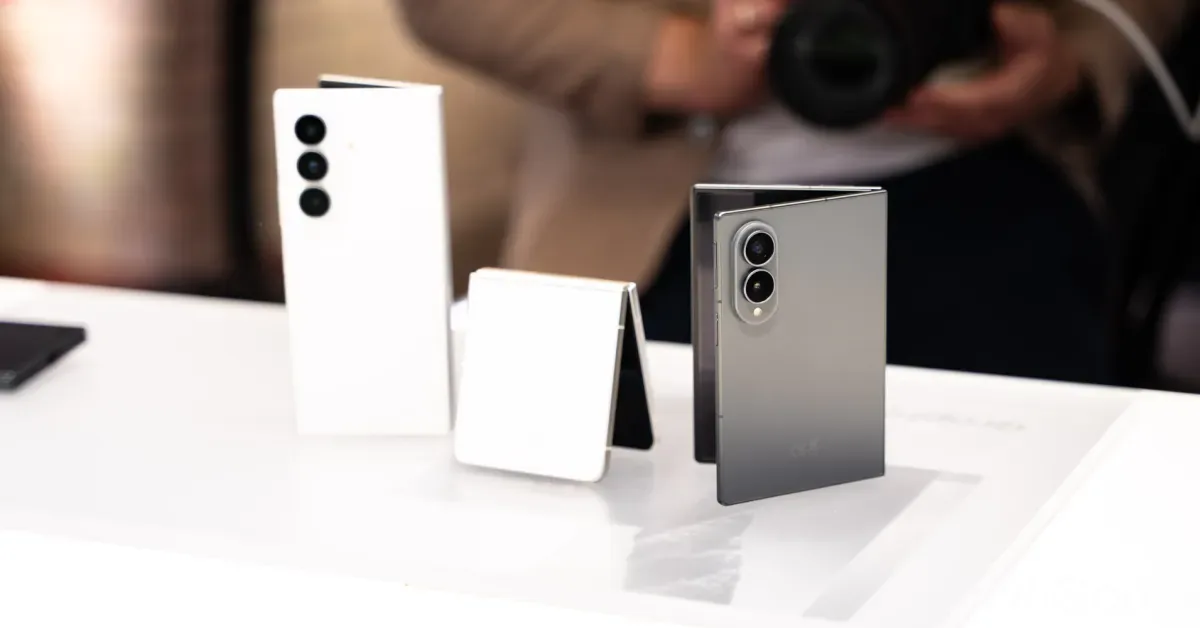
Samsung is equipping its upcoming Galaxy Z Fold 8, Fold 8 Ultra, and Flip 8 devices with new silicon-carbon battery technology, a move that regulatory documents indicate will significantly shorten the lifespan of these power cells. The batteries are rated for approximately 1,200 charging cycles before degrading to 80% capacity, a notable decrease from the 2,000-cycle longevity found in last year's Galaxy Z Fold 7 and other flagship models.
While a 1,200-cycle rating is common for more budget-friendly Samsung devices, its inclusion in a premium foldable line represents a compromise. The shift to silicon-carbon is the primary suspect for this reduced longevity. This newer battery chemistry, while offering advantages in energy density, is known to be less durable over time and can experience physical expansion as it ages. This characteristic likely influenced Samsung's decision not to pursue substantial capacity increases in the new foldables, as a higher capacity would necessitate more space both immediately and in the future.
Advancements in Battery Technology
Despite the dip in cycle life, the new silicon-carbon batteries do offer an overall upgrade in daily usage compared to their predecessors. The technology allows for a significant boost in energy capacity without making the devices thicker, providing users with longer operational times between charges. This improvement is reflected in a higher EPREL rating for Samsung's entire 2026 foldable lineup. Samsung representatives, speaking before this week's Unpacked event, emphasized that both safety and longevity were paramount in the design of these new batteries. However, the fundamental physics of the silicon-carbon chemistry present inherent limitations that are challenging to overcome.
Even with the reduced cycle count, Samsung's 1,200-cycle standard still surpasses competitors like Google's Pixel and Apple's iPhone, which are typically rated for around 1,000 charging cycles before reaching the 80% capacity threshold. This places Samsung's new foldables in a relatively strong position regarding battery durability metrics, despite the internal trade-offs.
The Galaxy Z Fold 8 series, along with the Fold 8 Ultra and Flip 8, are currently available for pre-order, signaling Samsung's push to integrate this new battery technology into its high-end mobile offerings for 2026. The company aims to balance the immediate benefits of increased capacity with the long-term implications of battery degradation.