
Sony AI Camera Assistant Fumbles Spark Backlash, Raises Questions
Sony faced criticism for its Xperia 1 VIII AI Camera Assistant's poor photo suggestions. The company released a new explanation and examples, but questions remain about its imaging judgment.

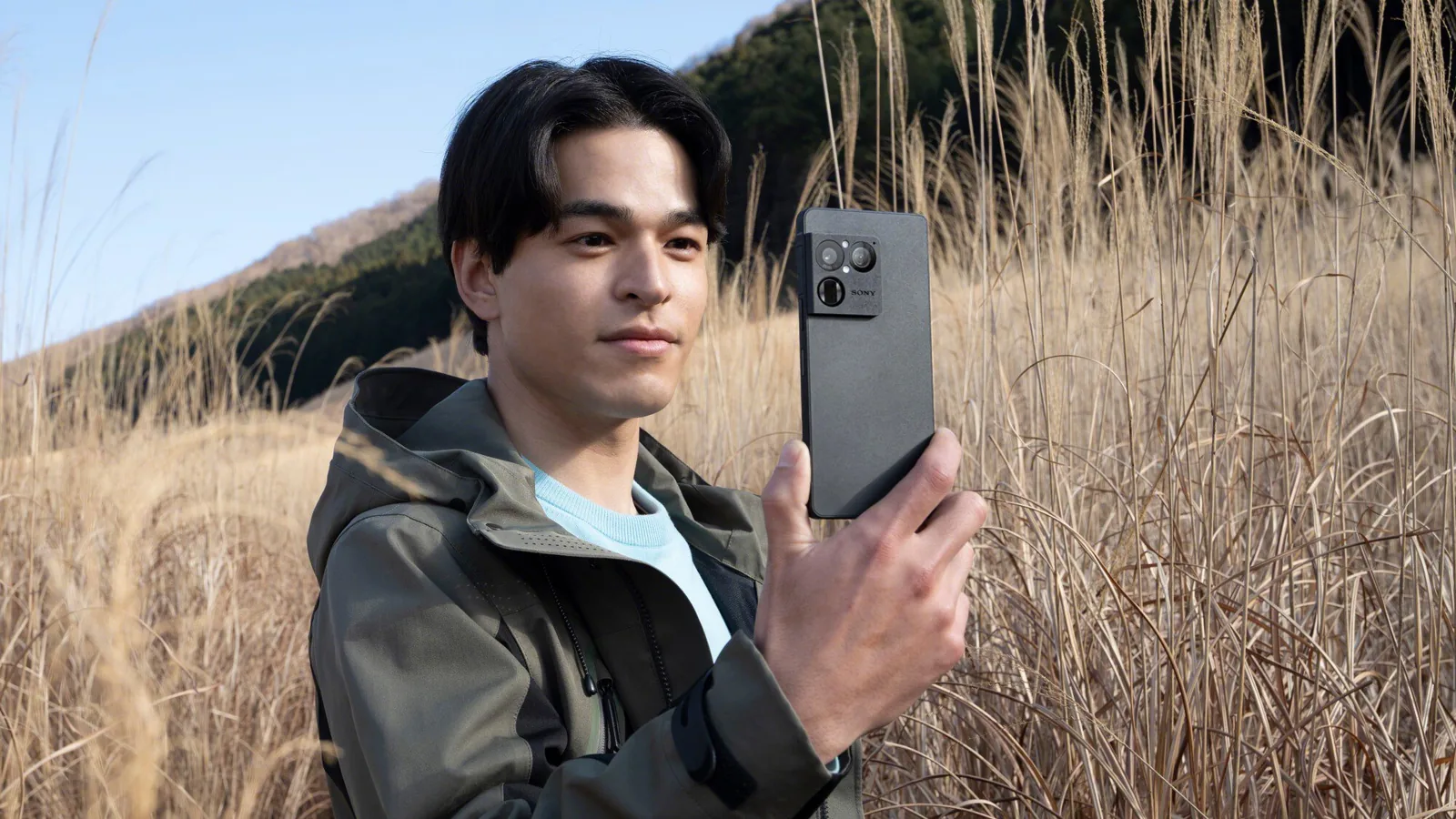
Sony's new AI Camera Assistant feature for its Xperia 1 VIII smartphone has ignited a wave of online criticism after the company showcased examples that significantly degraded photo quality. The backlash was swift, drawing commentary from prominent tech figures and leading Sony to issue a detailed response addressing the controversy.
The situation unfolded when Sony posted a series of side-by-side comparisons intended to demonstrate the AI's capabilities. Instead, the showcased AI-generated suggestions appeared noticeably worse than the original photographs, prompting widespread disbelief and mockery across social media platforms. Tech enthusiasts and consumers alike questioned the company's decision to highlight such results.
In response to the intense scrutiny, Sony took to X (formerly Twitter) to offer a further explanation of the AI Camera Assistant's function. The company clarified that the tool does not edit photos post-capture but instead suggests four distinct creative settings based on the analyzed scene and subject. Users retain the option to select one of these suggestions or revert to their original settings.
Sony also provided a fresh set of examples with its explanation. These new visuals demonstrated a marked improvement, with the AI suggestions appearing less washed out and overexposed compared to the initial controversial images. The revised examples appear to align more closely with what users might expect from an AI imaging assistant.
Questions Linger Over Sony's Imaging Strategy
Despite the improved examples and clarification, the incident has left many observers with lingering questions regarding Sony's judgment and its long-standing reputation in camera technology. A primary concern revolves around the initial decision to use such unflattering photo comparisons for marketing purposes. Industry analysts and consumers are questioning whether Sony genuinely believed the AI-generated images were superior to the originals, a notion that seems counterintuitive given the company's heritage in imaging innovation.
Sony is globally recognized for its advanced camera sensors and imaging technology, integrated into numerous smartphones and dedicated camera systems. This reputation amplifies the surprise and concern surrounding the AI Camera Assistant's initial demonstration. Critics argue that a company with such a deep understanding of photography should not have faltered in showcasing its AI features, especially on a flagship device like the Xperia 1 VIII.
The underlying technology, an AI Camera Assistant, aims to simplify the photography process for users by offering automated creative choices. Features like these are becoming increasingly common across the smartphone market as manufacturers seek to differentiate their products through computational photography. However, the misstep by Sony highlights the challenges in developing and marketing advanced AI features effectively, particularly when they impact core user experiences like photo quality.
Experts suggest that the controversy could stem from a disconnect between the AI's objective processing and the subjective aesthetic preferences of human users. While the AI might identify specific technical parameters or stylistic trends, these may not always translate into visually pleasing results for the average consumer. Sony's challenge now is to rebuild trust and ensure its AI imaging tools genuinely enhance, rather than detract from, the photographic capabilities of its devices.
The company's commitment to transparency will be crucial as it moves forward. Future updates and marketing efforts for the AI Camera Assistant will be closely watched by consumers and competitors alike. The incident serves as a cautionary tale in the rapidly evolving landscape of artificial intelligence in consumer electronics, emphasizing the need for robust testing and a clear understanding of user expectations.