
Sony Xperia's AI Camera Assistant Sparks Outrage Over Image Quality
Sony's new Xperia 1 VIII flagship is facing heavy criticism for its "AI Camera Assistant," which alters photos with overly brightened and flattened images, diminishing detail and contrast.

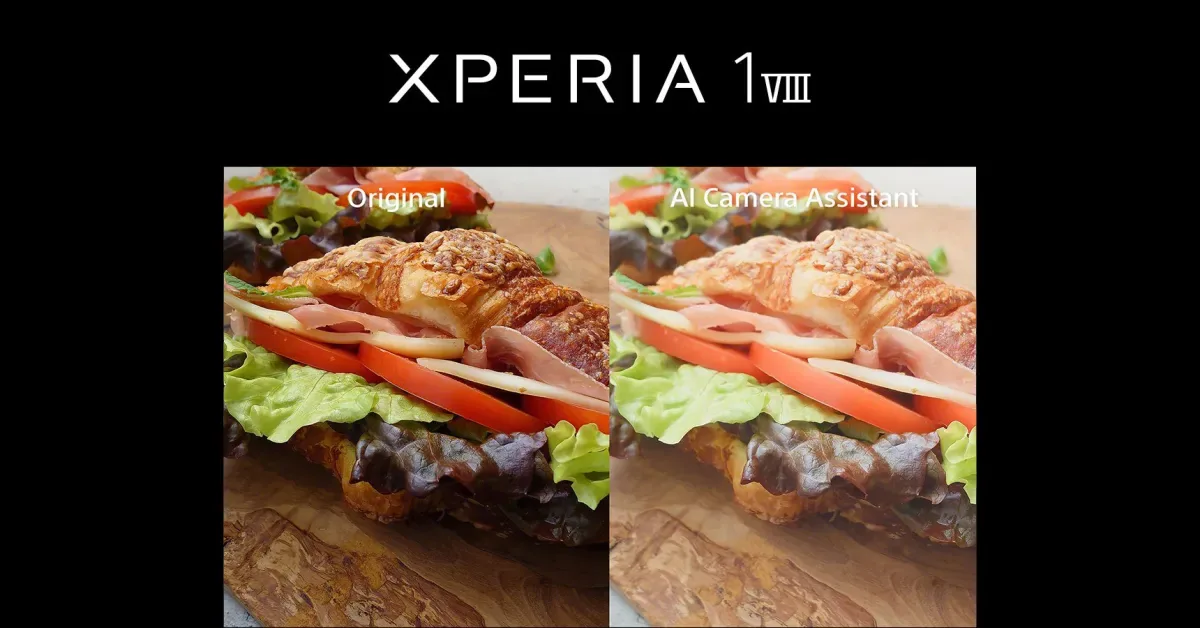
Sony's latest flagship smartphone, the Xperia 1 VIII, is drawing significant backlash from users and critics over its new "AI Camera Assistant" feature. The artificial intelligence tool, designed to enhance photos, is instead producing results that many deem detrimental to image quality, leading to widespread disappointment and accusations of degrading the photographic capabilities of the device.
The AI Camera Assistant, part of the Xperia Intelligence suite, is marketed by Sony as a tool that helps users "bring your vision to life" by suggesting "expressive options with different adjustments to create memorable photos." Sony claims that combined with a new, larger Telephoto camera sensor, the feature ensures "every photo will make a memory you’ll want to keep and share." However, sample images released by the company and shared widely online depict a drastic reduction in color saturation and contrast, with an overall brightening effect that appears to flatten the image and crush detail, particularly in shadow areas.
Social media platforms and tech forums have been flooded with criticism, with many users expressing shock and dismay at the perceived downgrade in image processing. Comparisons drawn by critics highlight how the AI-driven adjustments often result in over-sharpened photos where all elements in the frame are illuminated to a similar, uniform brightness. This approach, critics argue, actively destroys the natural depth and nuance of an image, leading to a less aesthetically pleasing and less impactful final photograph.
The Pervasive Trend of AI Image Enhancement
This controversy surrounding the Sony Xperia 1 VIII’s camera is not an isolated incident but rather appears to be the zenith of a growing trend in smartphone photography. For years, computational photography, powered by machine learning (the precursor to today's buzzword "AI"), has revolutionized image-making on mobile devices. These technologies leveraged algorithms to overcome the physical limitations of small smartphone sensors, producing images far superior to what hardware alone could achieve. However, the current industry focus seems to be shifting towards applying AI indiscriminately to every aspect of image processing, often with less nuanced results.
Examples of this trend are emerging across the industry. Just recently, Google unveiled its "Smart Enhance" tool for the Instagram app on Android. While not as extreme as Sony's implementation, this feature also came under fire for brightening shadows to match the subject, creating a "flat and frankly boring picture." Although sharper and potentially more eye-catching at first glance, such alterations are perceived as a step backward in photographic fidelity upon closer inspection. Tech reviewers have noted a similar shift in Google's own Pixel line, where the once-prized high-contrast look has been replaced by flatter, less vibrant images, leading to a more "boring" but consistent output.
This widespread move towards a particular AI-driven aesthetic is creating a sense of monotony in smartphone cameras. While manufacturers like Oppo and Motorola have recently been praised for making distinct visual choices in their camera processing, the broader industry, including Sony and, to a lesser extent, Google, appears to be converging on a similar, often detrimental, processing style. The Sony Xperia 1 VIII’s AI Camera Assistant, in its extreme execution, highlights the potential pitfalls when artificial intelligence is prioritized over artistic control and natural image representation. Users and industry observers are increasingly questioning whether this relentless pursuit of AI-driven enhancements is truly improving smartphone cameras or simply homogenizing their output and sacrificing image quality.