
Android's New Sideloading Rules Begin Rollout With 24-Hour Wait
Google has started rolling out Android's new "advanced flow" for installing apps from unverified developers, which includes a mandatory 24-hour waiting period and a phone restart to deter scams.

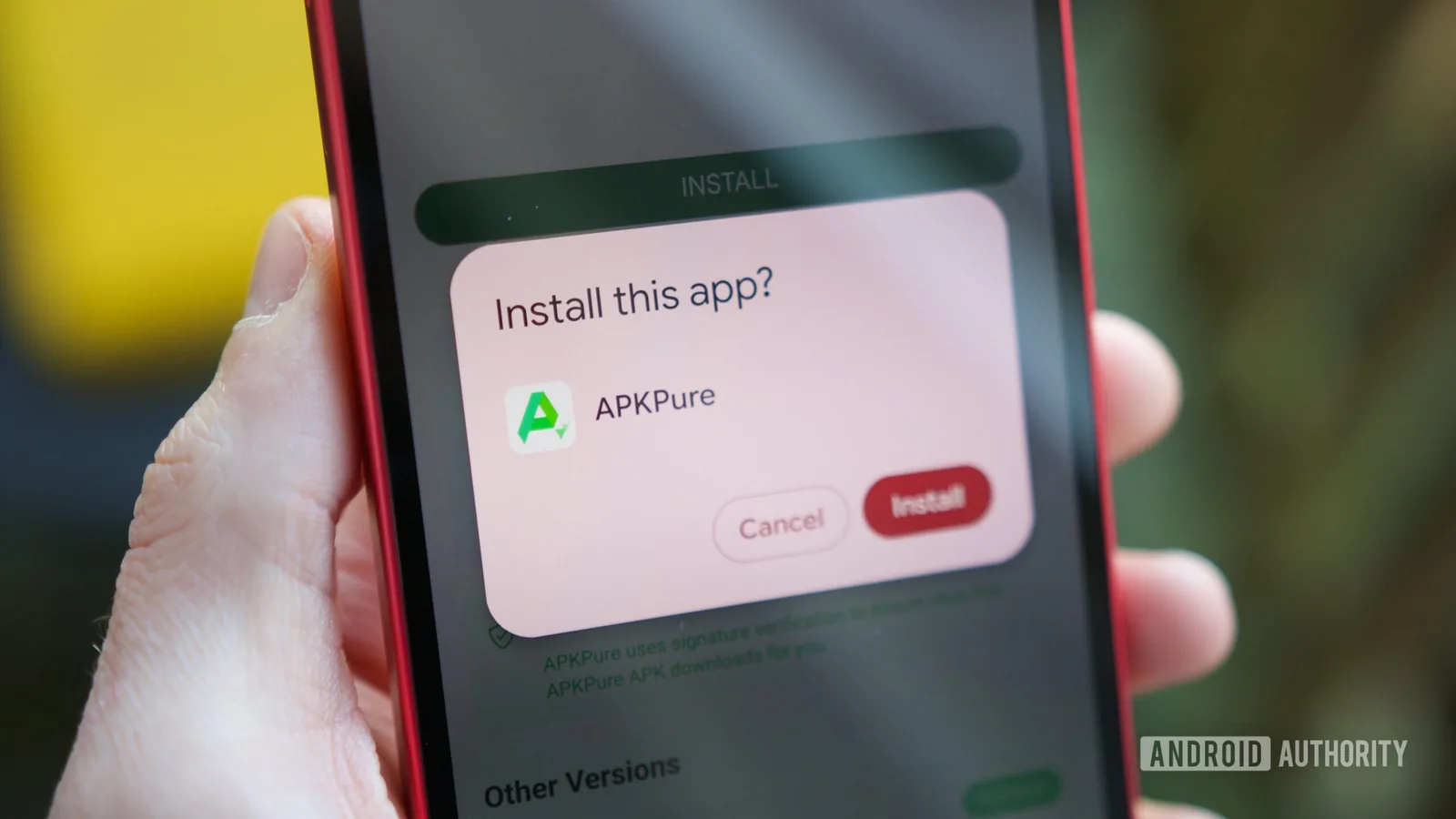
Google has begun implementing its controversial new system for installing applications from outside its official Play Store. Dubbed the "advanced flow," this updated process for sideloading apps now requires users to endure a 24-hour wait and restart their devices, aiming to curb the spread of malicious software and scams. The rollout comes as Google prepares to enforce developer verification for apps distributed through various app marketplaces, a policy set to begin in September 2026.
The change was announced by Mishaal Rahman, Android Community Engagement Manager, via a post on the r/Android subreddit. He clarified that this initial version of the advanced flow is being deployed gradually, meaning not all users will encounter the new settings immediately. The process, first detailed in March, is designed to add friction to the sideloading experience, making it more difficult for users to be coerced into installing harmful applications.
To initiate the advanced flow, users must first navigate to Developer Options and enable the "Apps from unverified developers" setting. This is followed by an authentication step using their device's screen lock and a confirmation that they are not being pressured into changing the setting. The critical steps then involve restarting the phone and observing a mandatory 24-hour waiting period before they can proceed.
After the 24-hour delay, users can return to the setting and choose to allow apps from unverified developers for either a week or indefinitely. Despite these permissions, a warning will still be displayed when attempting to install such an app, though users will have the option to proceed with installation. This deliberate increase in steps is intended to disrupt scams where victims are guided through the installation of malicious apps in real-time.
Developer Verification Enforcement Looms
Beyond the user-facing changes, the introduction of the advanced flow also precedes stricter developer verification measures. Enforcement for developer verification is slated to commence on September 30, 2026, initially affecting apps distributed through Google Play, HONOR App Market, OPPO App Market, Galaxy Store, Palm Store, V-Appstore, and GetApps in Brazil, Indonesia, Singapore, and Thailand. The scope is expected to broaden to all regions and app installations by 2027.
The new sideloading requirements have not been universally welcomed. A poll conducted after the March announcement revealed that a significant majority of Android users felt the new rules compromised the platform's openness or considered the approach excessive, even if they understood the reasoning. Discussions on Google's Reddit post echo this sentiment, with users expressing concerns about the added complexity and questioning why updates to already installed unregistered apps are also subject to these new hurdles.
Rahman has actively engaged with these concerns, explaining that an app installed prior to the verification mandate could receive a malicious update. He emphasized that the registration status of the developer, rather than the source of the APK file—whether it's from F-Droid, another app store, or elsewhere—is the determining factor. Users comfortable with more technical methods can still utilize Android Debug Bridge (ADB) to install or update apps without navigating the new advanced flow, as ADB remains exempt from this verification requirement.