
Apple Upgrade Leases Phones, Prompts Samsung, Google to Adapt
Apple has launched its hardware-as-a-service model, Apple Upgrade, shifting to a leasing option for its devices. This move prompts competitors like Google and Samsung to reconsider their own device sales strategies.

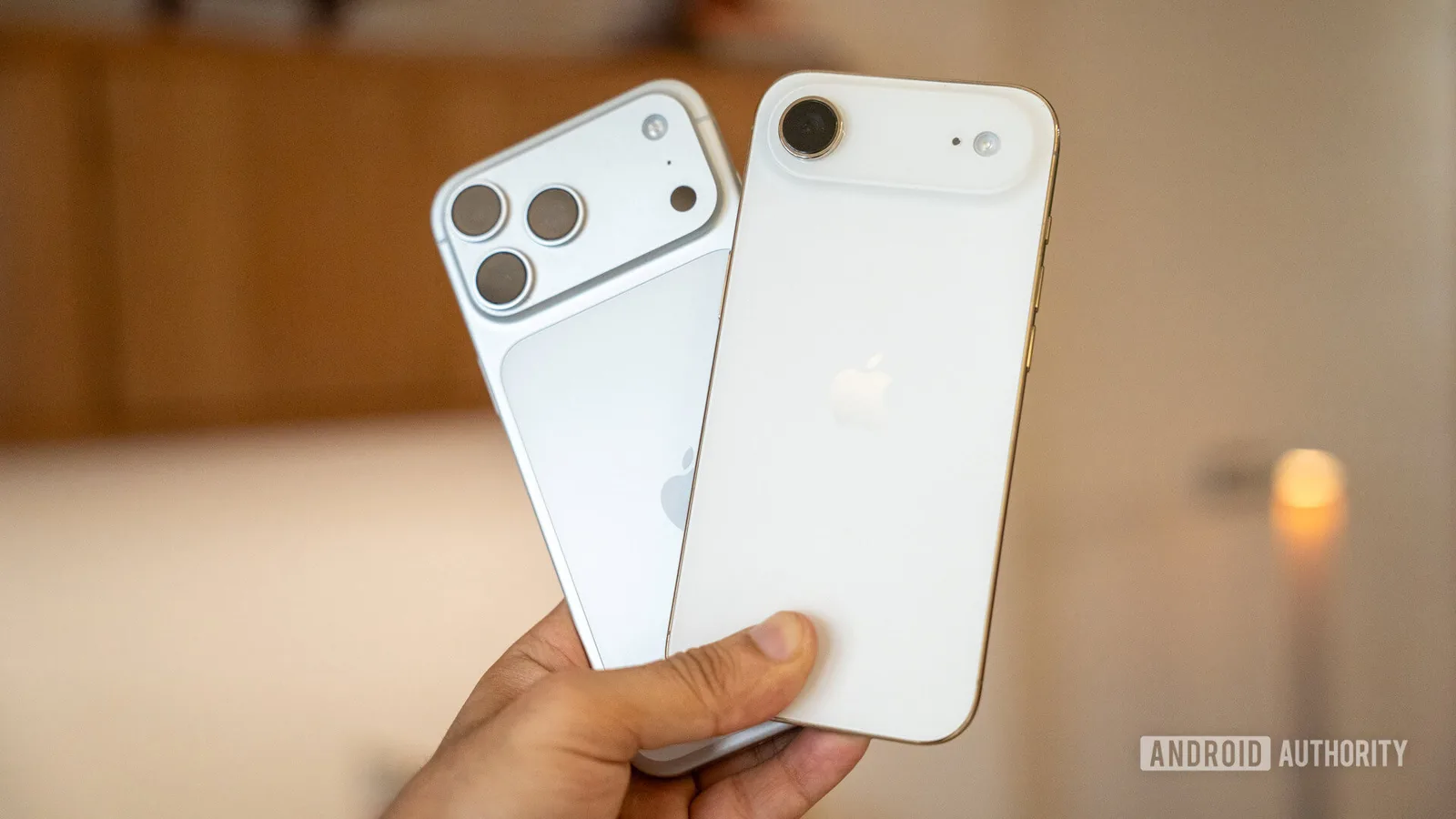
Apple fundamentally altered the landscape of high-end tech acquisition this week with the official launch of Apple Upgrade, its hardware-as-a-service model. This new leasing option replaces the legacy iPhone Upgrade Program, offering consumers predictable monthly fees for iPhones, iPads, Macs, and Apple Watches. The move acknowledges a growing consumer sentiment that the substantial upfront cost of premium devices is becoming increasingly difficult to justify, especially given their depreciating nature.
The traditional model of purchasing a smartphone and owning it for two to three years before trading it in is facing new challenges. Flagship smartphones now frequently exceed $1,000, driven by the integration of expensive mobile AI chips, advanced camera technology, and broader supply chain pressures. Asking consumers to spend upwards of $1,500 every few years is a significant hurdle, particularly when annual hardware advancements often feel incremental rather than revolutionary. This financial strain is compounded by prevailing economic uncertainties, leading many to question the wisdom of investing heavily in a device that rapidly loses value.
Smartphones, by their nature, are depreciating assets with a finite useful lifespan. After a couple of years of daily use, battery capacity diminishes, hardware shows signs of wear, and trade-in values plummet. While companies like Google and Samsung offer extended software update promises, the physical reality of a device means few users retain the same unit for its entire potential duration. Furthermore, the rapid pace of AI development in smartphones means that devices from even two years ago may not be considered cutting-edge by enthusiasts.
A Shift Towards Liquidity and Convenience
Buying a phone outright ties up significant personal capital in an asset that immediately begins to depreciate. In response, many consumers are seeking alternatives. In markets like Latin America and India, no-cost payment plans have become widely accepted, reflecting a global shift in consumer psychology where liquidity often takes precedence over immediate ownership. Apple's new Upgrade Program formalizes a trend that many consumers have already been pursuing through third-party channels. While carrier financing options have existed, they often come with restrictive terms, such as long-term contracts that effectively reinstate carrier locks and necessitate expensive postpaid plans to achieve full discount benefits.
Apple Upgrade fundamentally redefines hardware access by presenting it as a structured, transparent lease managed directly through Apple. This allows users to acquire a new iPhone for a manageable monthly fee, retain their capital, and upgrade to the latest model at the end of their lease term without navigating complex carrier agreements. A key advantage of the Apple Upgrade program is its carrier flexibility. While activation on a carrier plan from AT&T, Verizon, or T-Mobile is required at the point of sale, the physical device remains unlocked. This enables users to utilize secondary eSIMs, switch networks later, or travel internationally without encountering carrier unlocking restrictions, blending the benefits of unlocked hardware with carrier financing.
Apple is thus transforming expensive one-time purchases into predictable monthly utilities. The program also streamlines the trade-in process by applying the value of a user's old device to reduce their recurring monthly payments. This can bring entry-level lease prices to notably competitive levels. While selling a device outright might yield slightly more revenue for some, the convenience offered by Apple's system is a significant draw for the majority.
The leasing model becomes even more compelling for high-end Macs, where the upfront investment for professionals can range from $3,000 to $5,000 every few years. Converting this substantial purchase into a monthly subscription significantly lowers the initial financial barrier and provides a clearer path to staying current with Apple's rapidly evolving silicon and AI capabilities. Given Apple's accelerated pace of hardware upgrades and its advancements in on-device AI, the prospect of acquiring a new machine every two years at a reduced cost is an attractive proposition for many.
Financially, direct leasing may not offer substantial savings over outright purchase and resale. For instance, a $1099 iPhone 17 Pro, assuming similar resale value after two years ($550), would result in an out-of-pocket cost of approximately $549 when purchased outright. A 24-month lease under Apple Upgrade, at $32 per month, totals $768, making outright purchase $218 cheaper over two years. However, this calculation omits the value of having full use of the $549 for those 24 months, potential investment returns, and the avoidance of the risks and complexities associated with selling used devices. This difference can be viewed as a fee for enhanced liquidity and convenience.
Where Apple Upgrade truly excels is in its contrast to traditional carrier financing. Standard 24-month carrier installment plans typically require the user to pay the full phone price, often without the same flexibility or unlocked status. While purchasing outright might always offer the best long-term financial return, Apple Upgrade presents a compelling alternative for individuals who prioritize liquidity and a seamless upgrade experience. It is important to note that Apple Upgrade differs from the older iPhone Upgrade Program by making hardware protection, such as AppleCare+, an optional add-on rather than a built-in component of the monthly lease, placing more responsibility on the user for device maintenance.