
Cloud Gaming: Amazon and Microsoft Target New Players With Strategy Shifts
Amazon and Microsoft are altering their cloud gaming strategies to attract more users. Amazon is integrating its Luna service into Prime Video, while Microsoft is testing an ad-supported streaming option for Xbox.

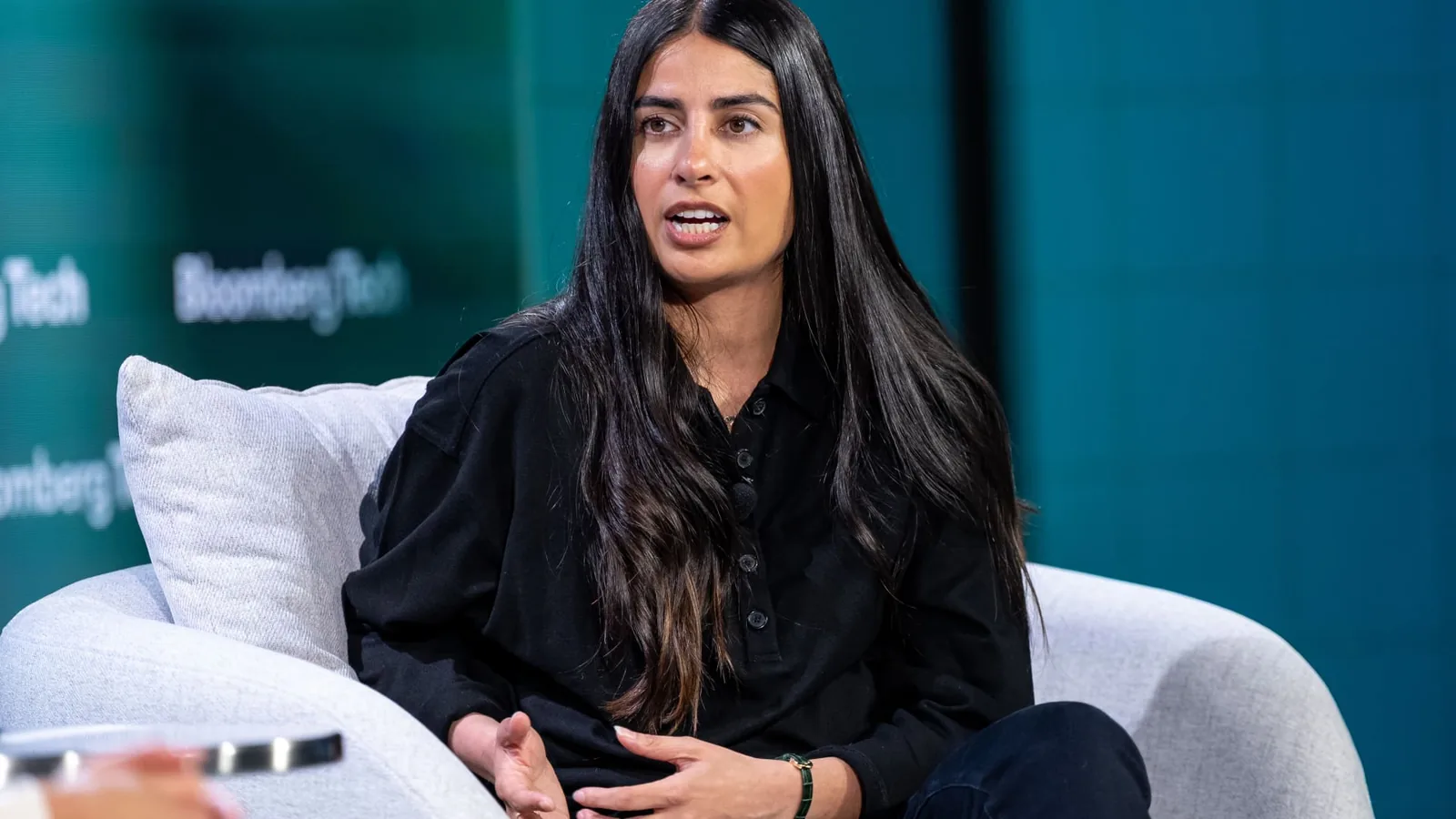
Amazon and Microsoft are making significant adjustments to their cloud gaming strategies, aiming to broaden their appeal and user base. Microsoft's Xbox division announced on Thursday a new initiative to test an advertising-supported model for streaming video games. Concurrently, Amazon revealed plans to prominently feature its Luna cloud gaming service within its popular Prime Video platform, a move designed to increase visibility for the service.
Amazon's integration of Luna into Prime Video is a strategic shift to leverage its existing subscription service, which costs $14.99 per month. Previously, Luna was accessible only via a dedicated website, making it less prominent. This adjustment signifies Amazon's intent to place the cloud gaming service more centrally within its digital offerings. Both tech giants have achieved considerable success in cloud computing infrastructure but have faced challenges in captivating gamers with cloud-based services, often hindered by internet connectivity issues leading to noticeable latency.
"Our goal is simple. Give more people more affordable ways to play," Xbox stated in a blog post detailing the new advertising initiative. Microsoft, which first launched its Xbox console in 2001, is currently positioned third in console sales behind Nintendo and Sony. The company is seeking to revitalize growth and improve profit margins following its substantial $75.4 billion acquisition of Activision Blizzard in 2023. Since Asha Sharma assumed the role of Xbox CEO in February, the division has seen leadership changes, has promoted its upcoming console, emphasized exclusive game titles, and reduced subscription prices. This month, Xbox announced a 20% workforce reduction and the spin-off of four development studios.
Advertising in Gaming: A Contentious Path
Xbox has explored advertising models in gaming before, though these have not always been met with player enthusiasm. A notable complaint in 2024 involved a McDonald's advertisement appearing on a game selection screen. Other publishers, such as Electronic Arts and Take-Two Interactive, have also experimented with advertising in games, only to quickly retreat due to player backlash. "Advertising has existed in gaming for decades, from in-game placements to free-to-play models," Xbox acknowledged in its post. "But it hasn't always been built with the player in mind. When done well, advertising can help lower the cost of access." Currently, gamers enrolled in the Xbox Insider Program can participate in testing this ad-supported streaming, with a one-hour session limit. This feature applies to games that users already own within their libraries. While Xbox has not yet introduced an ad-supported tier for its popular Game Pass subscription service, consumer interest in such models is evident. For instance, Netflix's ad-supported service tier has attracted tens of millions of users, according to a 2024 CNBC report.
Amazon ventured into the cloud gaming market during the COVID-19 pandemic, a period when gaming saw a surge in popularity due to increased time spent at home. Amazon launched Luna in 2020, three years after Microsoft introduced Game Pass and one year after Google debuted its cloud streaming service, Stadia, which Google later discontinued in 2023. Luna allows users to play games on smartphones and standard computers without the need for expensive consoles or dedicated gaming PCs. By integrating Luna into Prime Video, Amazon is doubling down on its strategy to appeal to casual gamers, featuring party games and well-known intellectual properties such as "Harry Potter" and "Tomb Raider."
Jeff Gattis, Amazon's head of gaming, indicated in a CNBC interview that the company's focus is not on competing directly with console manufacturers or attracting hardcore gamers. The unit, recently reorganized to consolidate Luna and Amazon's game studios, has faced difficulties in producing major hits, experienced executive turnover, and undergone multiple rounds of layoffs. Amazon has also recently shut down or divested several of its game titles, including the massively multiplayer online game "New World" and a planned "Lord of the Rings" project. Gattis stated that Luna has "millions" of users across the U.S. and 13 other countries, with a near-term goal of reaching 10 million to 20 million users. He noted that in a market where major players like PlayStation, Xbox, Epic Games, and Steam are intensely competing, consumers are generally "well-served, if not overserved." Gattis highlighted a significant consumer segment that desires to play games but is hesitant to invest in increasingly costly hardware and software. Amazon is actively working to address an awareness gap, ensuring consumers understand its gaming strategy. "I always say people don't have to like our strategy or agree with it, but it is important," he said. "Hopefully, they understand it."