
DoorDash API Integrations Drive Business Growth
Restaurants and third-party platforms are using DoorDash API integrations to automate orders, sync inventory, and reach customers more efficiently. Learn how to connect your business to the delivery giant.

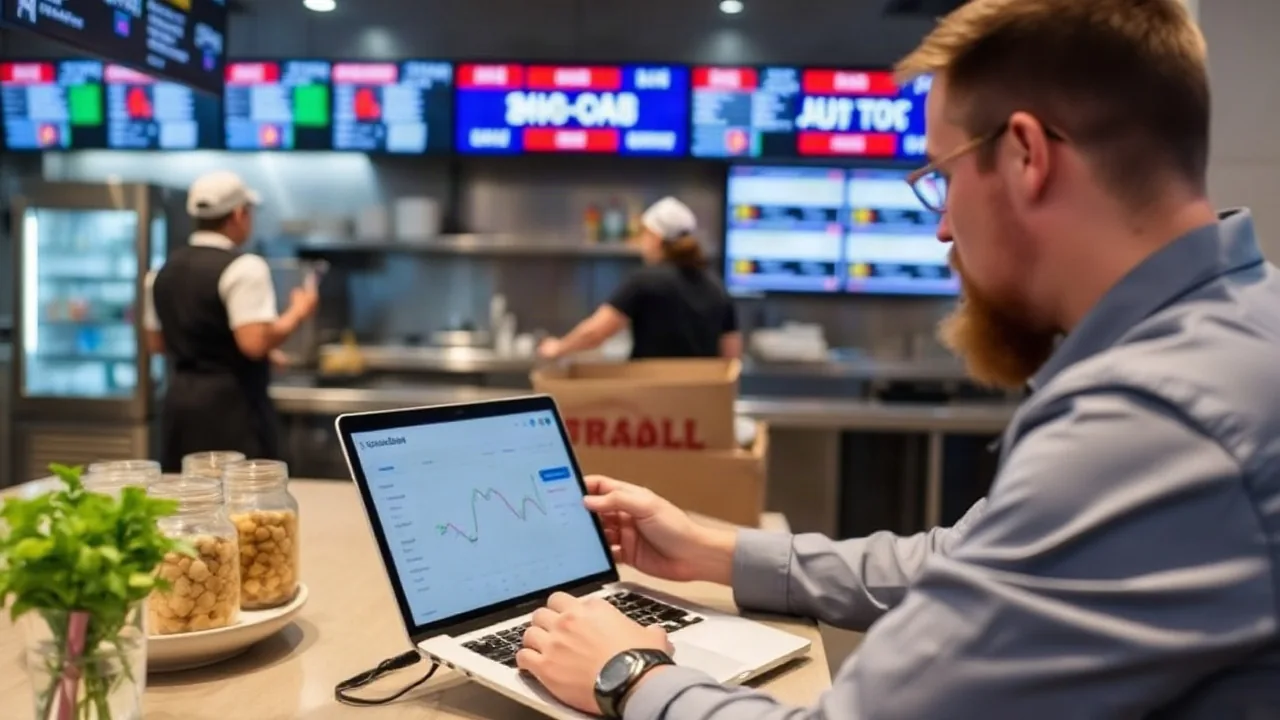
Pizza delivery chains and independent restaurants across the United States are now plugging their order management systems directly into DoorDash's infrastructure through newly mature API offerings. In September 2026, the number of merchants using DoorDash's programmatic integration tools has grown 34 percent year-over-year, according to recent vendor surveys tracking the food delivery technology landscape.
Unlike manual tablet-based ordering or email forwarding, DoorDash API connections allow point-of-sale systems, inventory managers, and customer relationship platforms to speak to each other automatically. A restaurant owner can now sync real-time menu changes, redirect orders to their kitchen display system, and update delivery status within their own dashboard without switching between five different web tabs.
"The ability to integrate DoorDash orders directly into existing restaurant workflows has become table-stakes for multi-location operators," says Marcus Chen, Senior Analyst at Logistics Tech Advisors, a firm tracking delivery platform adoption. "Restaurants that delay API adoption are essentially running parallel operations, which costs time and introduces order errors."
How DoorDash API Streamlines Operations
The core value of API integrations lies in eliminating manual data entry. When an order arrives through DoorDash's network, it can automatically populate your restaurant's kitchen display system, trigger inventory adjustments, and notify kitchen staff without human intervention.
Key operational benefits include:
- Real-time order synchronization across all sales channels (Uber Eats, Grubhub, your own website)
- Automated inventory tracking to prevent overselling menu items
- Unified customer data collection for loyalty programs and marketing
- Batch order processing during peak hours without staff delays
- Direct integration with accounting and bookkeeping software
A mid-sized chain managing 12 locations reported reducing order processing time from 4 minutes to 47 seconds after implementing DoorDash API connections alongside their existing logistics software. That efficiency gain compounds across thousands of daily orders.
Third-party developers are also building integrations on top of DoorDash's platform. Analytics firms, scheduling tools, and SaaS vendors now offer pre-built connectors that handle authentication, data mapping, and error handling so restaurants don't need to hire engineers to manage the connection.
Expanding Reach Through Platform Integration
Beyond operational efficiency, DoorDash API access opens new customer acquisition channels for restaurant brands. By standardizing how orders and menus flow through the system, restaurants can now reach DoorDash's 35 million monthly active users without manually updating menus or managing duplicate inventory lists.
Business growth accelerates when restaurants leverage the DoorDash Marketplace API to control how their brand appears across the platform. Merchants can adjust delivery zones, set promotional pricing, manage hours of operation, and even create exclusive menu items for the DoorDash audience, all via their backend system rather than the DoorDash web interface.
The food delivery sector has also seen consolidation of smaller regional chains choosing to go DoorDash-first rather than trying to maintain parallel infrastructure with Uber Eats and Grubhub. That strategy works only when API connectivity makes the DoorDash channel manageable at scale.
Restaurants report that improved delivery transparency from API integrations also reduces customer support burden. When customers can see their order status in real-time, pulled directly from the restaurant's own system, support tickets drop significantly.
Security, Costs, and Implementation Realities
DoorDash API access comes with standard authentication protocols and request rate limits to prevent abuse. Most restaurant software providers handle security overhead behind the scenes, but understanding API keys, OAuth tokens, and data encryption remains important for IT decision-makers evaluating integration options.
The financial model varies by integration approach. Pre-built connectors through third-party SaaS providers typically charge a monthly fee (ranging from $50 to $500 depending on transaction volume and features). Direct API integration often requires upfront development work but lower ongoing costs for high-volume operators.
Implementation timelines typically range from 2 weeks for simple order synchronization to 8-12 weeks for full omnichannel setups including loyalty program integration, inventory management across multiple suppliers, and custom reporting dashboards.
Smaller independent restaurants should evaluate whether API complexity aligns with their technical capacity. A restaurant with a single location and minimal inventory variation may see less ROI than a chain managing complex multi-location operations, seasonal menu changes, and frequent promotional campaigns.
By late 2026, DoorDash has made their API documentation public and opened a developer partner program, lowering barriers for smaller SaaS vendors to build connectors. That ecosystem expansion means restaurants now have more integration choices at different price points and complexity levels than they did in 2025.