
Google Pause Point Feature Expands Beyond Pixel Devices
Google's digital well-being tool, Pause Point, designed to help users step away from their phones, is no longer exclusive to Pixel devices and is rolling out more broadly.

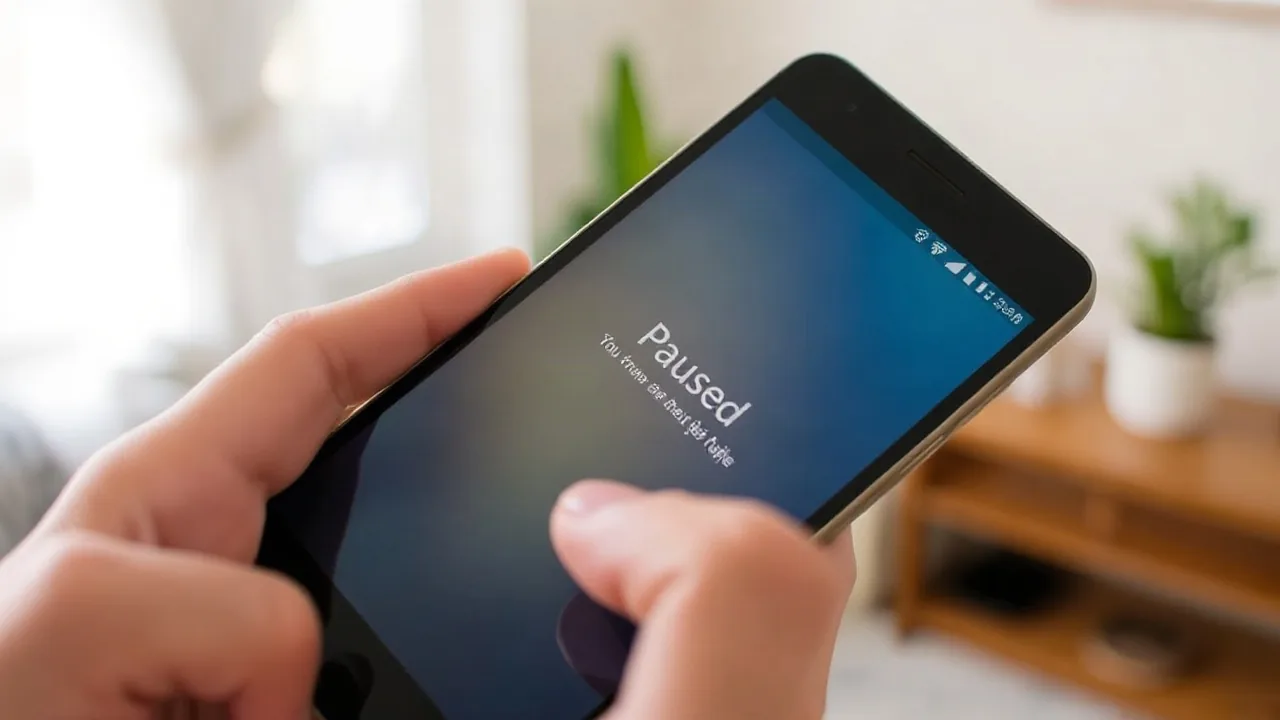
Google is expanding the availability of its digital well-being feature, Pause Point, moving it beyond its exclusive launch on Pixel smartphones. The tool, designed to encourage users to take breaks from their devices, will now be accessible to a wider range of Android users, signaling Google's commitment to promoting healthier screen time habits across its ecosystem.
Pause Point allows users to set specific durations for app usage. Once the set time expires, the app is automatically paused, making it inaccessible until the user chooses to unpause it or until a pre-determined break period ends. This functionality aims to combat the addictive nature of certain applications and curb excessive scrolling, a phenomenon often referred to as "doomscrolling," especially relevant in today's fast-paced digital environment.
Initially introduced as part of the Digital Wellbeing suite for Pixel phones, the expansion means more Android users can now leverage this feature to regain control over their device usage. The move is seen as a positive step towards integrating these important well-being tools more seamlessly into the core Android experience, rather than confining them to specific hardware.
Promoting Digital Well-being Across Android
The broader rollout of Pause Point reflects a growing trend among tech companies to address concerns about digital addiction and mental health. Features like screen time limits, app pausing, and usage tracking are becoming increasingly common as both users and developers recognize the impact of constant connectivity. Google's own research and public statements have often highlighted its dedication to building technology that benefits users and supports their well-being.
This expansion is particularly significant for users who may not own a Pixel device but still wish to benefit from advanced digital well-being tools. By making Pause Point more widely available, Google is democratizing access to features that can help individuals manage their screen time more effectively. This includes students trying to focus on studies, professionals aiming for better work-life balance, or anyone looking to reduce their digital distractions.
The feature works by allowing users to select an app and then choose a duration for it to be usable. For instance, a user might set a social media app to be usable for only 30 minutes per day. Once that time is up, the app's icon greys out, and attempting to open it will prompt the user with an option to unpause it for a short period or wait until the next day. This gentle but firm nudge is designed to break the habit loop of mindlessly opening and using apps.
The development of such tools is informed by research into behavioral psychology and the design principles that make apps engaging, and sometimes, excessively so. By providing a counter-mechanism, Google aims to empower users to make conscious decisions about their app usage. The company believes that providing users with more control over their digital environment can lead to a more positive and less stressful relationship with technology.
Google's efforts in the digital well-being space are not new. The company has previously introduced features like app timers, bedtime modes, and focus modes within its Digital Wellbeing suite. The expansion of Pause Point is a logical next step, offering a more granular and proactive approach to managing app usage. It underscores Google's ongoing mission to make its platforms not only powerful and useful but also conducive to a balanced lifestyle. The company is expected to continue refining these tools based on user feedback and evolving digital habits.