
Googlebook Laptops: Is the Android-ChromeOS Hybrid Worth the Hype?
Google unveiled "Googlebook," a new laptop concept merging Android and ChromeOS with AI at its core. However, initial features like "Magic Pointer" and widget support raise questions about its unique value proposition.

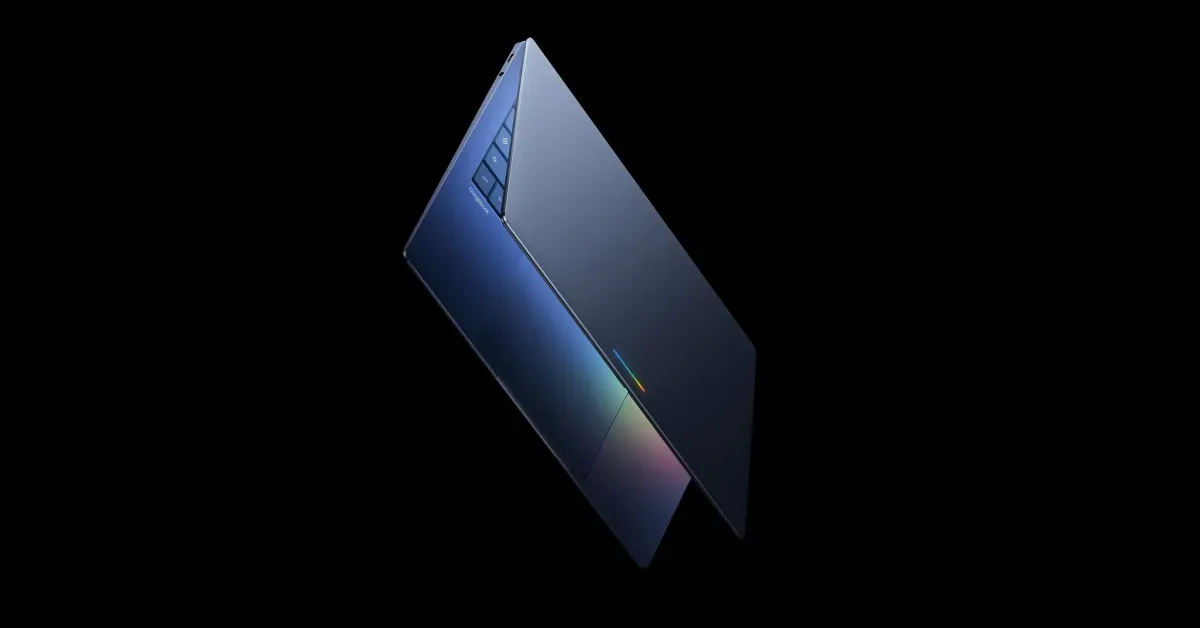
Google has revealed a new direction for its laptop efforts with "Googlebook," a project that seeks to merge the functionalities of Android and ChromeOS, powered by its Gemini AI. The announcement, made during "The Android Show," introduced a vision for a new class of laptops designed to integrate artificial intelligence more deeply into the user experience. However, early impressions suggest that the platform may struggle to carve out a distinct identity in a crowded market.
Central to the "Googlebook" concept is Gemini, Google's advanced AI model. The company showcased a new "Magic Pointer" cursor that can activate Gemini with a simple wiggle gesture, allowing it to interact with on-screen content contextually. This feature aims to make AI tools more accessible and useful by directly integrating them with the user's current task. While the concept of easier AI access is appealing, the "Magic Pointer" functionality is also slated to arrive in the Chrome browser, diminishing its exclusivity to the new laptop platform.
Beyond the "Magic Pointer," other highlighted features for "Googlebook" include enhanced "Create your Widget" support, a capability that is also coming to Android phones. The platform will also offer app mirroring from Android phones and "Quick Access" to phone files, a feature that bears a strong resemblance to existing ChromeOS functionalities available for several years. These additions, while functional, do little to differentiate "Googlebook" from existing laptop and mobile experiences.
Questions About Differentiation and Market Fit
The core concern surrounding "Googlebook" is its perceived lack of a unique selling proposition. In an era where powerful smartphones are ubiquitous and capable of handling many AI-driven tasks, the rationale for a dedicated AI laptop needs to be compelling. "Googlebook" appears to be an attempt to build an AI laptop, but it may be missing a fundamental understanding of what drives laptop purchases in 2026. Users often turn to laptops for tasks that smartphones cannot efficiently handle, such as professional creative work like video and photo editing, or for more robust note-taking and productivity applications.
While Android is a capable operating system, its integration into a laptop form factor may fall short without the inclusion of desktop-class applications that professional users expect, such as the full Adobe creative suite. Google has yet to demonstrate that "Googlebook" offers a significant advantage over its existing ChromeOS platform, which itself has evolved to support Android and Linux apps, making it a surprisingly powerful option. The potential abandonment of ChromeOS's established strengths in favor of a less defined Android-centric experience raises questions about the strategic direction.
Google's unveiling has been met with skepticism, particularly regarding the substance of its feature set. The "Magic Pointer" and recycled ChromeOS features, while potentially useful, do not appear sufficient to justify a new hardware category. With competitors like Microsoft Windows facing user opinion challenges and Apple's MacBook line continually redefining user expectations, this moment presents a critical opportunity for Google to clearly articulate a compelling vision for its future laptop strategy. As it stands, "Googlebook" has made a weak first impression, failing to provide a clear reason for its existence or to generate significant excitement among potential users.
The broader context of Google's Android ecosystem is also relevant. "The Android Show" also featured announcements regarding "Gemini Intelligence" and updates for Android 17, signaling Google's continued investment in AI and its mobile operating system. Features like redesigned Android Auto, new capabilities for Android 17 such as "Screen Reactions," and upgrades to Samsung's One UI further illustrate the dynamic landscape of mobile and integrated computing. However, these advancements in the mobile sphere do not automatically translate into a clear need for "Googlebook" hardware. The success of "Googlebook" will likely hinge on Google's ability to demonstrate genuine innovation and a clear understanding of user needs that goes beyond the capabilities of current smartphones and existing laptop solutions.