
LG Monitors Stop McAfee Ads After Microsoft Intervention
LG has agreed to disable pop-up McAfee ads from its monitor installation app following user complaints and scrutiny from Microsoft. The controversy highlights concerns over bundled software on expensive hardware.

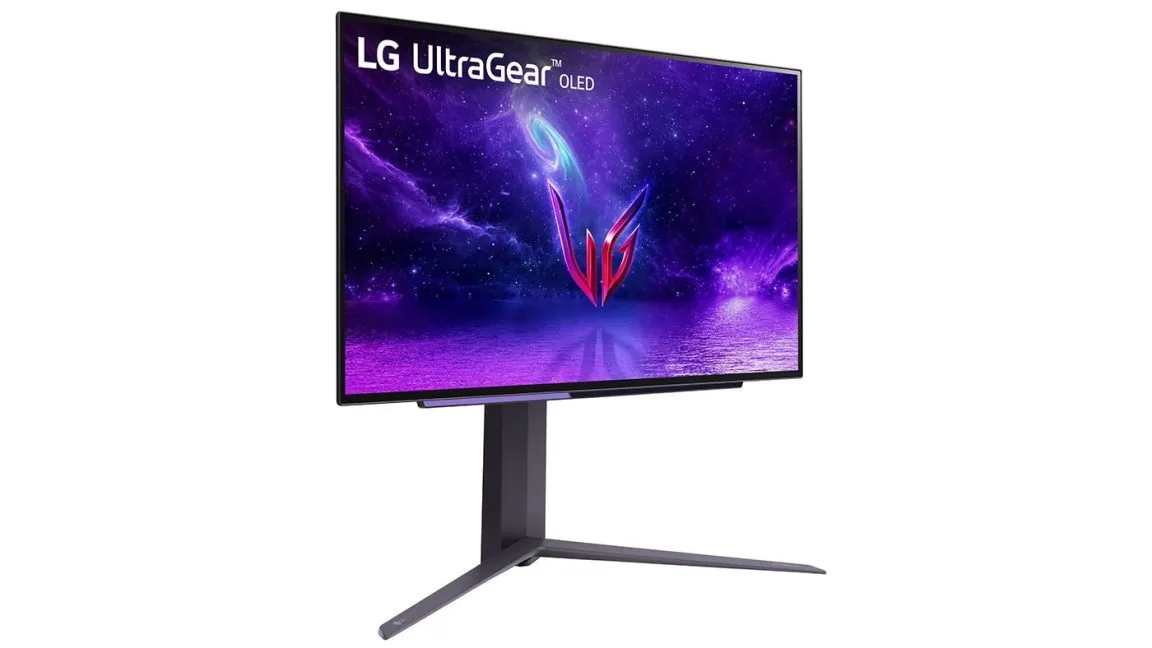
LG is reportedly halting the controversial practice of its monitor installation software automatically displaying pop-up advertisements for McAfee on Windows computers. The move comes after widespread user complaints and intervention from Microsoft, which has stated it connected with LG to address the issue.
The software in question, the LG Monitor App Installer, has been found to install itself on user systems via a Windows Update, often alongside legitimate monitor driver updates. Once installed, the app generates pop-up ads promoting a 30-day free trial of McAfee antivirus software, and occasionally other LG-branded applications like LG Switch and LG Channels. Reports of this behavior gained significant attention following a video investigation by the YouTube channel Gamers Nexus, which documented the issue on an LG UltraGear gaming monitor purchased for testing.
Pavan Davuluri, Executive Vice President of Windows and devices at Microsoft, confirmed the company's engagement with LG. "We’ve connected with the team at LG and as an immediate next step, they have agreed to disable the McAfee pop-up from their app," Davuluri stated this week in response to social media discussions. He added, "We appreciate LG working with us toward a shared goal of a better experience for our mutual customers. We will keep improving here with our ecosystem partners."
Broader implications for user experience and privacy
Beyond the immediate removal of the McAfee ads, the incident raises broader concerns about the prevalence of bundled software and potential privacy implications associated with companion applications. Users have reported finding the LG Monitor App Installer on their devices without explicit consent or clear notification during the initial setup process. Critics argue that for high-priced monitors, some costing over $1,000, the forced installation of ad-pushing software is disruptive and raises privacy questions.
According to Gamers Nexus, the LG Monitor App Installer's terms technically grant LG permission to access "all system resources" and potentially collect extensive user data, including geolocation, device information, online activity, and user credentials. The practice has reportedly been ongoing for some time, with users noticing the pop-up ads appearing on monitors purchased years ago, suggesting a potential expansion or increased visibility of the bundled software in 2026.
The situation also brings into focus the permissions granted to Universal Windows Platform (UWP) device apps by Microsoft. A Microsoft support page indicates that such apps can be set to install automatically when a device is connected to a PC, provided certain conditions are met, such as the user not opting out of recommended settings and being signed into the Microsoft Store. Critically, this automatic installation feature does not always provide a direct user notification, which can lead to user confusion and frustration.
This incident is not isolated. Other hardware manufacturers, including Razer, Logitech, Asus, and Gigabyte, have faced similar criticism in the past for including unwanted software or bloatware with their peripherals and components. However, the prominent placement of such software on expensive monitors, which often do not strictly require a companion app for core functionality, has drawn particular criticism.
LG has been contacted for further comment regarding the purpose of the LG Monitor App Installer, the specific models affected, and their data privacy policies. As of publication, the company had acknowledged receipt of the questions but had not yet provided a detailed response. Reports indicate that several LG monitor models, including the 34GX900A-B and 45GX950-B.AEU, were identified as auto-installing the application. With Microsoft's ongoing collaboration with ecosystem partners, the future development of such companion applications and their user-facing practices remains a point of observation for consumers and industry watchers alike.