
Linus Torvalds Uses AI to Detect Linux Kernel Bugs
Linux creator Linus Torvalds has embraced artificial intelligence, using AI tools like Claude to analyze complex code and identify bugs within the Linux kernel. He advocates for AI's role in improving software development processes.

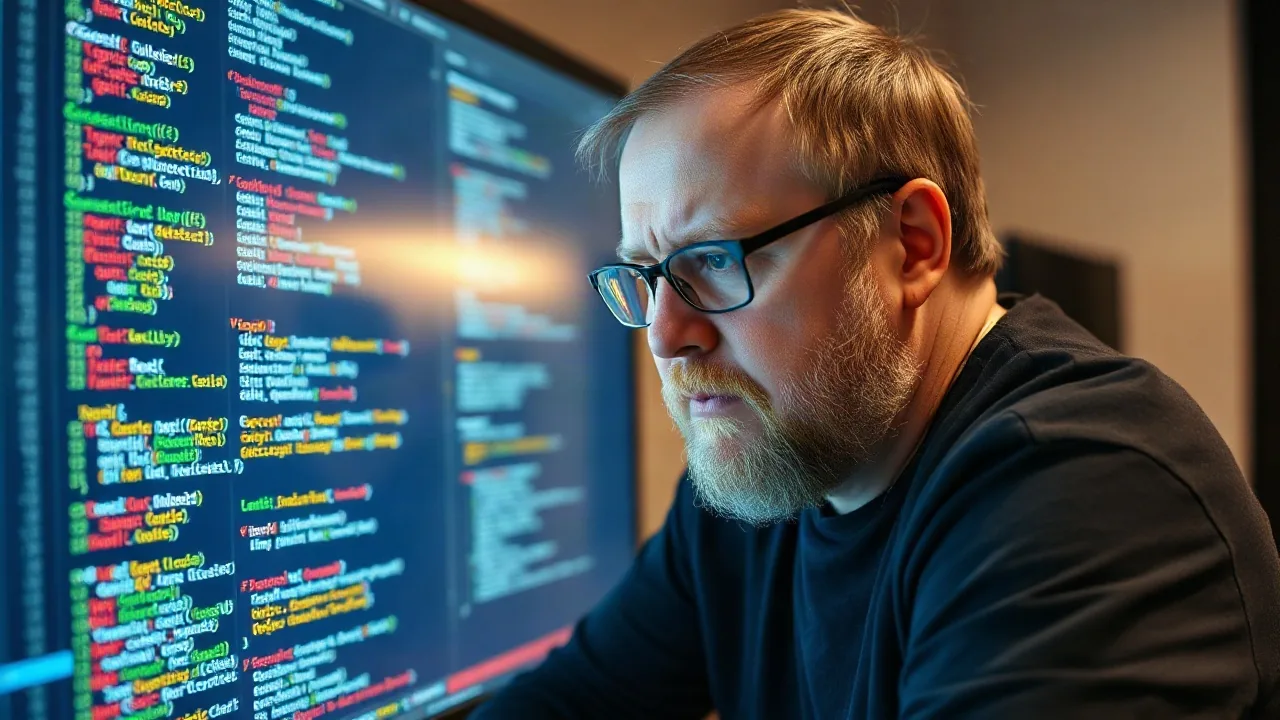
Linus Torvalds, the creator of the Linux kernel, has enthusiastically adopted artificial intelligence tools to enhance his code review and debugging processes. Torvalds revealed that he utilizes AI assistants, such as Anthropic's Claude, to help make dense and complex code more decipherable. This approach has not only aided his understanding but has also led to the discovery of more bugs within the expansive Linux kernel.
The prominent developer shared his positive experiences with AI during recent discussions surrounding its integration into software development. Torvalds stated that he "really likes using AI" for tasks that he finds challenging or time-consuming. His personal adoption of these technologies serves as a practical demonstration of his belief in their potential to assist developers in intricate coding scenarios. This is particularly relevant as the broader Linux kernel development community grapples with the implications and potential rules regarding AI-generated code.
AI's Role in Code Comprehension and Debugging
Torvalds highlighted how AI can transform the way developers interact with code, especially in large and established projects like the Linux kernel, which comprises millions of lines of code. By using AI to rephrase or explain code snippets, developers can gain clearer insights into functionality and identify potential issues more readily. He described this as doing "What I Preach," emphasizing his long-standing encouragement for developers to use tools that improve their efficiency and understanding. The AI's ability to process and summarize code makes it an invaluable assistant for pinpointing errors that might otherwise be overlooked during manual inspection.
The use of AI in debugging is not without its debates within the open-source community. Some projects are considering policies on the inclusion of AI-assisted or AI-generated code. However, Torvalds's firsthand success with AI tools in identifying bugs suggests a strong case for their beneficial application. His perspective, coming from a figure central to one of the world's most critical open-source software projects, carries significant weight in these ongoing discussions about the future of software development and the ethical considerations surrounding AI.
The integration of AI into the software development lifecycle is a rapidly evolving field. Tools like Claude are continuously improving their natural language processing and code analysis capabilities. For a project as vast and influential as the Linux kernel, which underpins a significant portion of the world's servers and devices, any improvement in bug detection and code comprehension can have far-reaching positive impacts on stability and security. Torvalds's proactive use of AI underscores a pragmatic approach to leveraging new technologies for the betterment of the software itself.
This development comes at a time when the debate intensifies regarding the responsible use of AI in open-source projects. While concerns about code quality, licensing, and originality persist, Torvalds's experience offers a compelling counterpoint, showcasing AI as a powerful assistive tool rather than a replacement for human oversight. His approach suggests a future where developers work in tandem with intelligent systems to build more robust and efficient software.