
Mac App Store Apps Can Drop Intel Mac Support Next Month
Apple is allowing Mac App Store developers to drop support for Intel-based Macs starting with apps requiring macOS 13 or later. This move aims to simplify development and optimize app size.

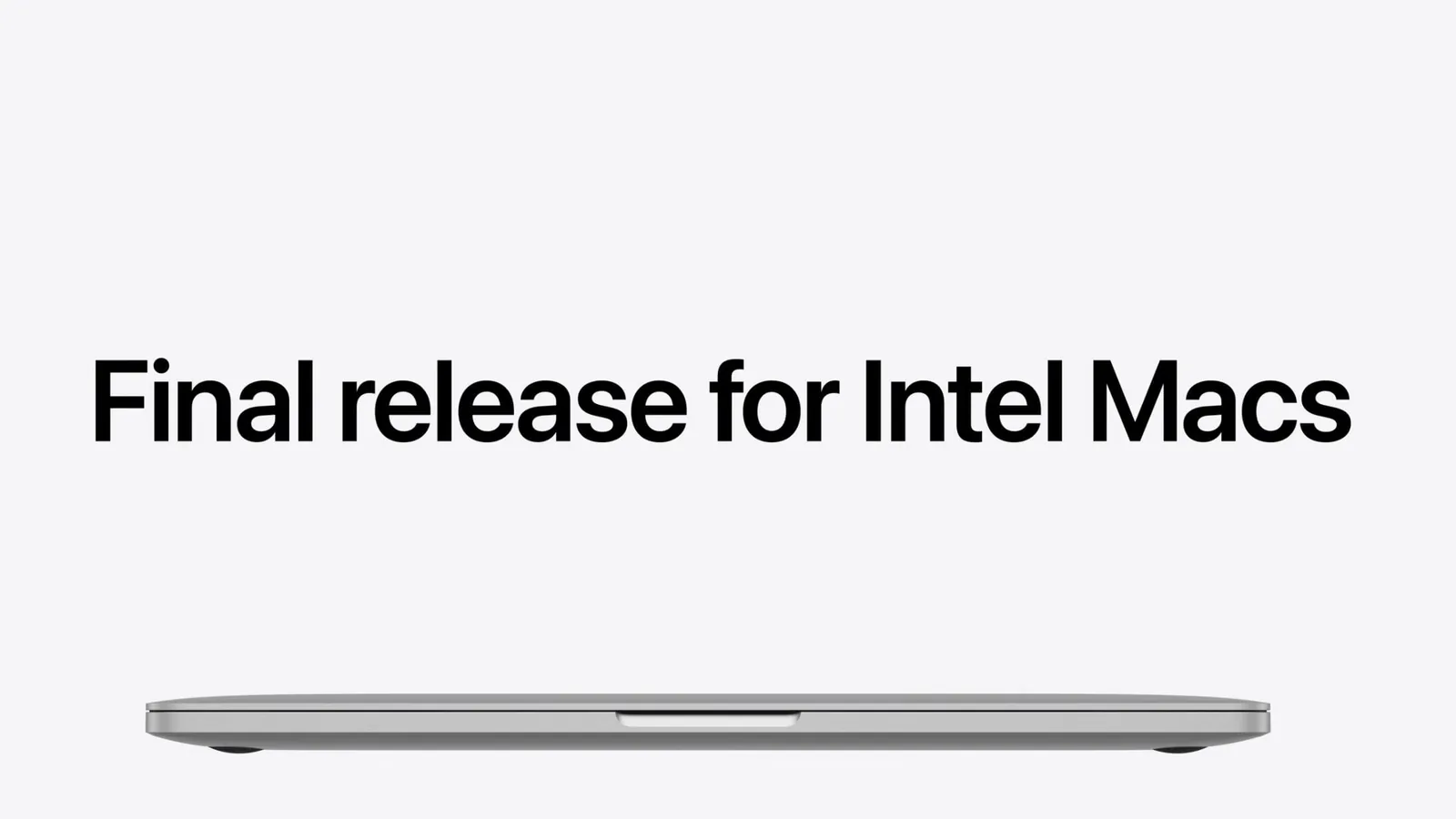
Apple has informed developers that universal Mac App Store applications requiring macOS 13 or later will soon be permitted to remove support for older, Intel-based Mac computers. This policy shift, set to take effect with the upcoming macOS updates, allows developers to streamline their code and reduce download and installation sizes for users running newer Apple silicon Macs.
Previously, Mac App Store applications designated as universal, meaning they were built to run on both Intel and Apple silicon processors, were required to maintain compatibility with Intel Macs. This new directive signifies a move away from supporting the legacy hardware as Apple continues its transition to its own custom silicon chips. Developers opting to drop Intel support will no longer provide updates for Intel Mac users, though these users will retain the ability to continue using the last compatible version of the application.
Transitioning Away from Legacy Hardware
The decision to allow developers to drop Intel support reflects the diminishing user base of Intel-based Macs. With Apple having fully transitioned its Mac lineup to its in-house Apple silicon chips, the company is now facilitating a cleaner ecosystem for its developers. macOS Tahoe is currently the final operating system version designed to run on Intel-based Macs, while newer operating systems like macOS Golden Gate are exclusively for Apple silicon Macs starting with the M1 chip.
This change presents a significant opportunity for developers to optimize their applications. By removing code specific to Intel processors, they can achieve smaller file sizes, leading to faster downloads and less storage consumption on users' devices. This optimization is particularly crucial for developers of larger applications or games, where even marginal reductions in size can have a noticeable impact. Furthermore, simplifying the codebase can lead to more efficient development cycles and potentially fewer bugs.
For users still relying on Intel Macs, the implications are that fewer new applications and app updates will be available to them in the future. While they can continue using existing compatible versions, they will eventually be unable to install or update applications that have dropped Intel compatibility. This underscores the ongoing transition and encourages users to consider upgrading to newer Apple silicon models to ensure access to the latest software and features.