
Massive 12TB Steam Leak Exposes Decades of Lost PC Game History
A colossal 12TB "teraleak" has surfaced, containing over a decade of lost PC gaming history from Valve's early Steam servers. The dump includes numerous unreleased prototypes and pre-release builds of popular titles.

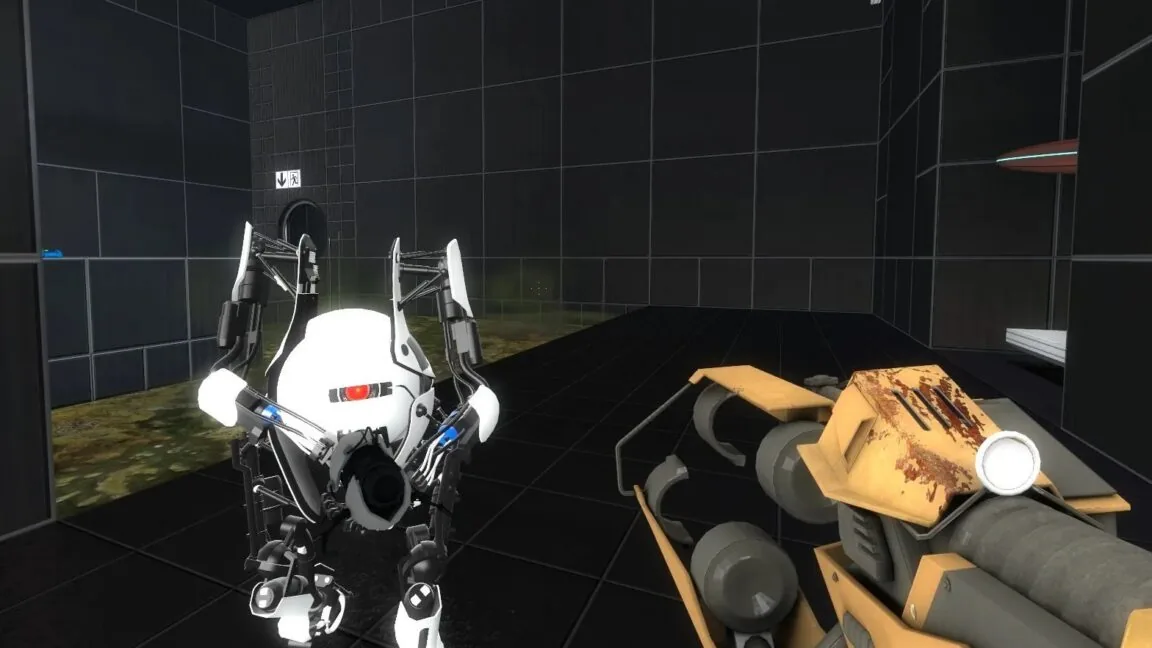
A massive data dump exceeding 12 terabytes, dubbed the "Steam teraleak," has emerged, offering an unprecedented glimpse into PC gaming history between 2003 and 2013. This extensive collection, comprising content from Valve's defunct "Steam2" server architecture, is now circulating online, potentially preserving a vast archive of game development that was previously thought lost.
The leak features thousands of "depots," representing virtually every version of every game uploaded to the old Steam2 servers during that period. Crucially, it includes not only public release builds but also numerous pre-release, prototype, and playtest versions of titles published by Valve and various third-party Steam developers. The cutoff year of 2013 is significant, marking the transition from the proprietary Steam2 system to the current SteamPipe architecture, which streamlined content distribution and removed certain approval bottlenecks.
For years, archivists and enthusiasts believed that many early, publicly accessible versions of games released before the SteamPipe transition were irretrievably gone, existing only on aging personal computers. This teraleak, however, suggests that a significant amount of this historical data was more accessible than previously understood.
Unveiling the Leak's Origin and Accessibility
The precise origin of the teraleak remains somewhat unclear, but initial reports suggest the data was obtained through publicly accessible means. Valve watcher Gabe Follower stated on social media that the content was sourced via a "publicly accessible API endpoint," attributing the leak to Valve's own security practices. Similarly, Spanish-language Valve streamer Scolcer reported that the data came from a "100% accessible to the public" site with no passwords or protections, describing it as "hidden in plain sight."
Some speculate that this leak might be a compilation of data gathered by various individuals over the years before the Steam2 servers were decommissioned. Moderators from the Valve Cut Content (VCC) Discord, a community dedicated to tracking Valve betas and leaks, suggested that the depot files were likely downloaded long ago and maintained in private collections. "There were a lot of leaks a few years back and many folks hoarded files for years," commented CrazyBubba, a VCC Discord moderator. The readme file accompanying the leak itself encourages widespread sharing, urging users to mirror and distribute the content widely, suggesting the original uploader invested significant effort in compiling and releasing it.
The implications of this leak extend beyond just Valve's first-party titles. It encompasses a broad spectrum of PC games from numerous third-party publishers that were present on Steam before 2013. This includes early versions of games such as Spore, Dragon Age: Origins, Batman: Arkham Asylum, and Sonic the Hedgehog 4. While these might not be the absolute final versions stored on developer hard drives, they often contain valuable insights into the development process and previously unseen content.
The teraleak highlights potential security vulnerabilities in how game development history has been archived and protected. The sheer volume and nature of the data—including unreleased and pre-release material—raise questions about intellectual property and the long-term stewardship of digital assets in the gaming industry. Longtime observer Tyler McVicker cautioned others about handling the data due to its sensitive nature and potential legal ramifications, especially concerning the substantial amount of third-party content included.
This event draws parallels to the 2018 "gigaleak" of Nintendo's internal development files, which similarly exposed vast swathes of that company's historical data. The Steam teraleak is poised to shed light on a similarly significant chapter of PC gaming's evolution, offering a rich resource for developers, historians, and enthusiasts alike to explore the formative years of a major digital distribution platform.