
Windows 11 Battery Drain: Microsoft Acknowledges Driver Faults
Microsoft has confirmed that faulty third-party drivers have contributed to significant battery drain issues in Windows 11 for years. The company is overhauling its driver evaluation process to address the problem.

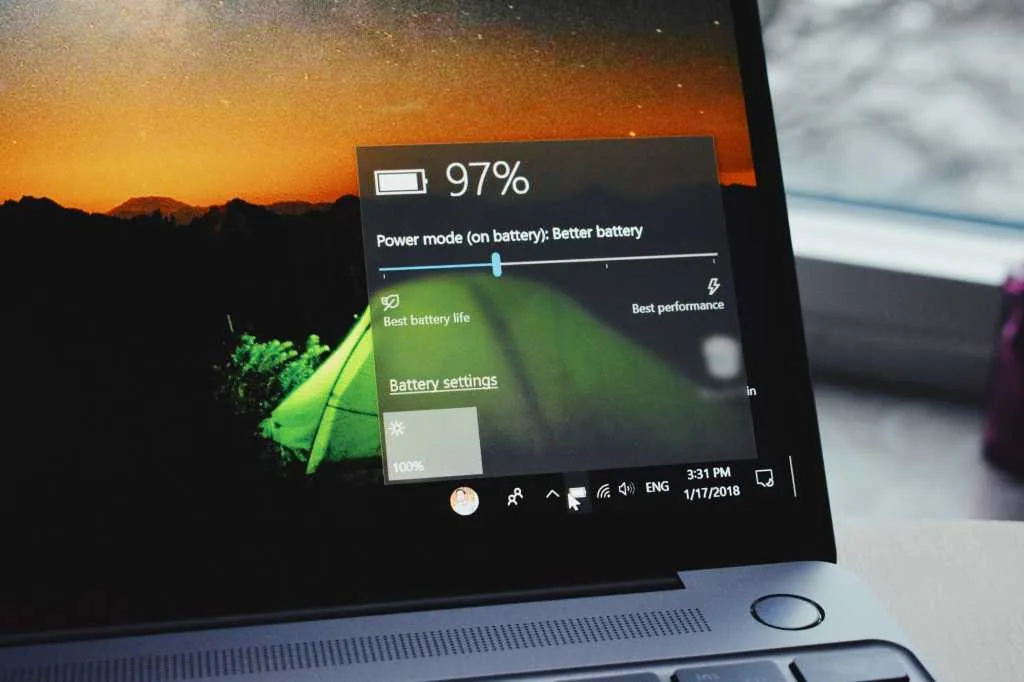
Microsoft has officially acknowledged that faulty third-party drivers have been a long-standing culprit behind diminished battery life and performance issues plaguing Windows 11. The admission came at the Windows Hardware Engineering Conference (WinHEC 2026), where the company announced a comprehensive overhaul of its third-party software evaluation standards. Previously, drivers were primarily assessed for causing system crashes, overlooking their impact on everyday user experience, including battery consumption and overall system responsiveness.
For years, Microsoft relied heavily on telemetry data from Windows Error Reporting (WER). This system, while effective at identifying critical failures, created a "blind spot" for issues that didn't lead to outright system instability but still degraded performance or drained batteries prematurely. This oversight meant that drivers causing problems like high latency, audio glitches, graphics errors, or micro-stuttering could still be classified as "stable." This issue has reportedly affected not only Windows 11 but also previous versions of the operating system, with recurring problems often persisting through multiple updates.
Rethinking Driver Quality and Impact
The company is implementing a new approach to driver evaluation, focusing on a broader spectrum of potential impacts. This includes scrutinizing how drivers affect power consumption, especially in standby mode. Many modern Windows laptops are designed to enter low-power hibernation states to conserve battery, but a faulty driver could prevent this transition, causing the device to consume power unnecessarily. In worst-case scenarios, this could lead to a laptop's battery being fully depleted without the user's immediate awareness.
Microsoft's updated strategy aims to proactively test the impact of drivers on power usage and heat generation. The company also intends to place greater emphasis on performance metrics, ensuring that driver stability does not come at the expense of overall functionality and responsiveness. This involves fostering earlier collaboration with driver developers and adopting a more rigorous approval process for all new and updated drivers.
Furthermore, Microsoft is introducing an automatic driver rollback feature through Windows Update. This mechanism is designed to identify and revert problematic drivers that no longer meet the company's quality standards. Older drivers that fail to comply with the new stringent requirements will be actively blocked, preventing them from being installed or updated. This move signifies a commitment to improving the overall reliability and user experience of the Windows operating system by tackling driver-related issues head-on.