
Windows 11 Project Zenith Offers Developers Distraction-Free Coding Environment
Microsoft is rolling out "Project Zenith" for Windows 11, a new initiative designed to provide developers with a streamlined, distraction-free coding experience. It optimizes devices specifically for development tasks.

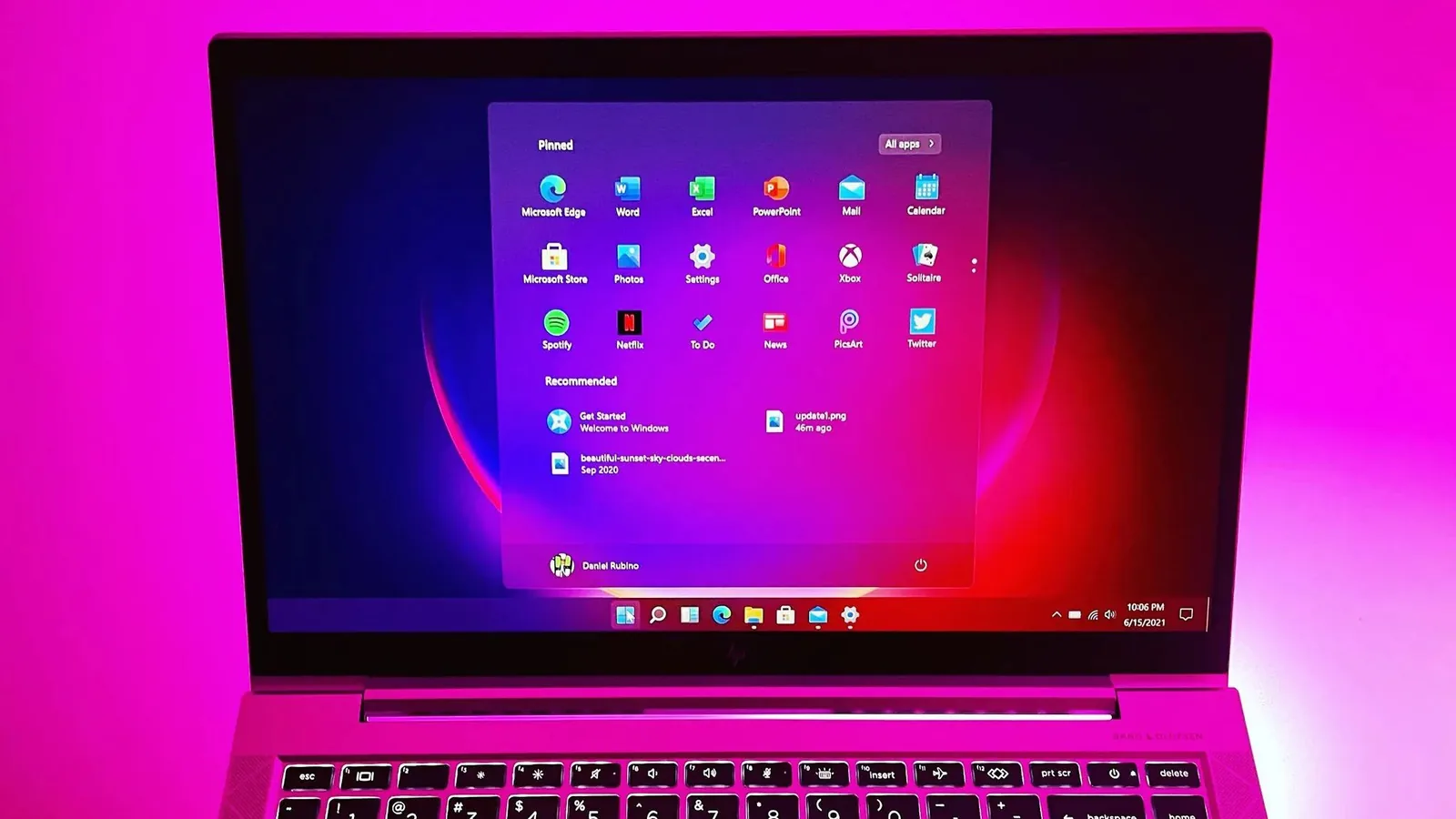
Microsoft is preparing to launch "Project Zenith," a new initiative for Windows 11 aimed at creating a "ready-to-code distraction-free Windows experience" specifically for developers. This project will optimize Windows 11 for developer-class devices, pre-installing essential applications and pre-configuring settings to enhance productivity and save valuable time.
Key enhancements include a customized File Explorer that will display file extensions, hidden files, and the full path in the title bar by default. While these are not entirely new features, their automatic setup within Project Zenith eliminates the manual configuration developers often face when setting up new machines. The project was previewed in part at the Build 2026 conference, but Microsoft has now revealed the official project name and further details on its implementation.
Developer-class devices under Project Zenith will be capable of running large language models with over 30 billion parameters locally and without data usage metering. These optimized systems will also come equipped with a variety of development tools pre-installed. Among the default applications pinned to the taskbar are Windows Terminal and Visual Studio Code. Additionally, GitHub Copilot, PowerToys, WinAppCLI, and Windows Dev Skills are expected to be included from the outset, according to reports by The Verge.
Optimized Hardware and Rollout Plan
Project Zenith will initially debut on AMD's Ryzen AI Halo devices, with plans to extend its availability to other compatible systems in the ensuing months. To qualify as a "developer-class device," a system must meet stringent hardware requirements, including a minimum of 64 GB of unified memory and a memory bandwidth of at least 250 GB/s. These specifications are designed to support the demanding tasks involved in modern software development, particularly those involving AI and large-scale applications.
While the concept of a "distraction-free" computing experience might appeal to all users, Microsoft's focus on developers for Project Zenith is deliberate. Developers often share similar workflows and rely on a specific set of tools. Pre-installing applications and configuring settings that are highly beneficial for development could be perceived as unnecessary clutter or "bloat" by general consumers. Conversely, the streamlined environment of Project Zenith is intended to enhance efficiency for its target audience.
This tailored approach to Windows 11 customization aligns with Microsoft's broader strategy. The company has already introduced features like "Xbox Mode" to cater to specific user scenarios. Project Zenith represents another step in this direction, segmenting the Windows experience to better serve distinct user groups. All Windows 11 users, including those utilizing Project Zenith devices or Xbox Mode, will continue to benefit from general operating system improvements, such as reduced memory usage and enhancements to Search and File Explorer, many of which were introduced in recent major updates.