
Xbox Restructures: Layoffs Signal Major Shift in Gaming Industry
Microsoft is undertaking its most significant restructuring of the Xbox division, involving thousands of job cuts. This move signals a major shift impacting the broader video game industry.

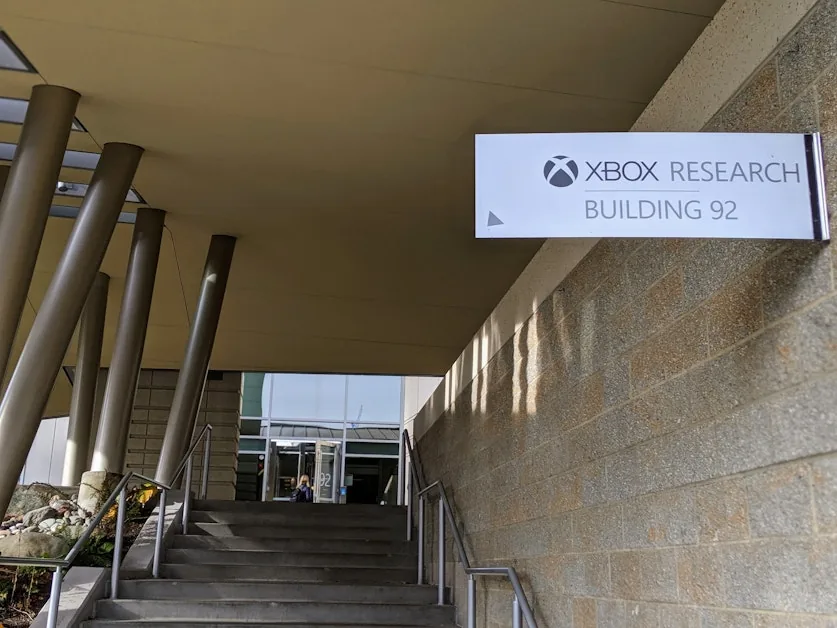
Microsoft is enacting a sweeping restructuring of its Xbox division, leading to the layoff of thousands of employees. The company announced plans to reduce Xbox headcount by 3,200 jobs over the next fiscal year, marking what it calls "the most significant restructuring in Xbox history." This drastic measure comes amid broader industry challenges and follows a period of significant investment in studio acquisitions.
The impact of these layoffs is deeply felt by employees like Autumn Mitchell, a video game tester who described the experience as "having the wind knocked out of you and you never really get your breath back." Mitchell, who once considered her job a dream, now feels uncertain about finding future employment within the gaming sector. The industry has historically experienced cycles of growth and contraction, often due to the long development times for games and financial gaps between projects. However, experts suggest the current downturn is exacerbated by new competitive pressures.
Industry analysts point to a growing fragmentation of user attention. "The more our time gets divided up, the less time we have to spend on gaming, and therefore, the less money we're inclined to spend on gaming," explained Gil Luria, head of technology research at D.A. Davidson. Microsoft has acknowledged a decline in both the number of players and overall playing hours. Compounding these issues are substantial financial investments in studio acquisitions, some of which have not yielded the expected returns. In a company memo, Microsoft noted that the gaming business's profit margins are significantly lower—three to ten times less—than those of its competitors, making the business "unhealthy." Microsoft President Brad Smith defended such difficult decisions, stating, "You do have to remain healthy in order to be successful, even to just stick around from decade to decade to decade."
Rising Hardware Costs Fuel Industry Strain
Beyond market dynamics and competition for user attention, soaring hardware costs present another significant challenge for the gaming industry. Joost van Dreunen, a professor at New York University specializing in the business of video games, described the current situation as an "apocalyptic degree of hardware prices going up because of the AI frenzy." He attributes this surge to a combination of factors including tariffs, increased fuel prices, and, crucially, the escalating demand for semiconductor chips, which are vital components for gaming consoles and PCs. "And that's a scenario in which the easiest answer is to just cut jobs, as unfortunate as that is for everybody involved," van Dreunen commented.
Some within the Xbox ranks, including veteran game developer Christopher Hays, who has worked on titles like Doom and Rage for id Software, believe leadership's strategic direction might be misguided. Acquired by Xbox in 2021, id Software's employees like Hays worry about their job security. Hays argues that the issue lies in comparing the profitability of gaming with Microsoft's higher-margin sectors, such as its software and AI divisions. "Gaming makes a lot of money," Hays asserted, "but not AI money." He believes that periods of financial loss often stem from leadership chasing trends while overlooking the insights of developers who are deeply familiar with the industry and understand player preferences.
This discontent has fueled speculation about the future structure of Xbox. Some industry observers, including van Dreunen, suggest that a potential outcome could be the divestment of Xbox from Microsoft. "That's where I see the future for Xbox in the next two years," he stated. "We'll hear in the next 12 to 24 months if that's going to be a reality. But a breakup of Xbox into smaller subcomponents and a sell-off of some of those, I think is a likely future." Such a move could reshape the landscape of console gaming and the broader gaming industry.