
Astronaut Christina Koch Takes New NASA Leadership Role
Veteran astronaut Christina Koch will transition from active flight status to a new leadership position at NASA, stepping into the role of Acting Deputy Chief Engineer.

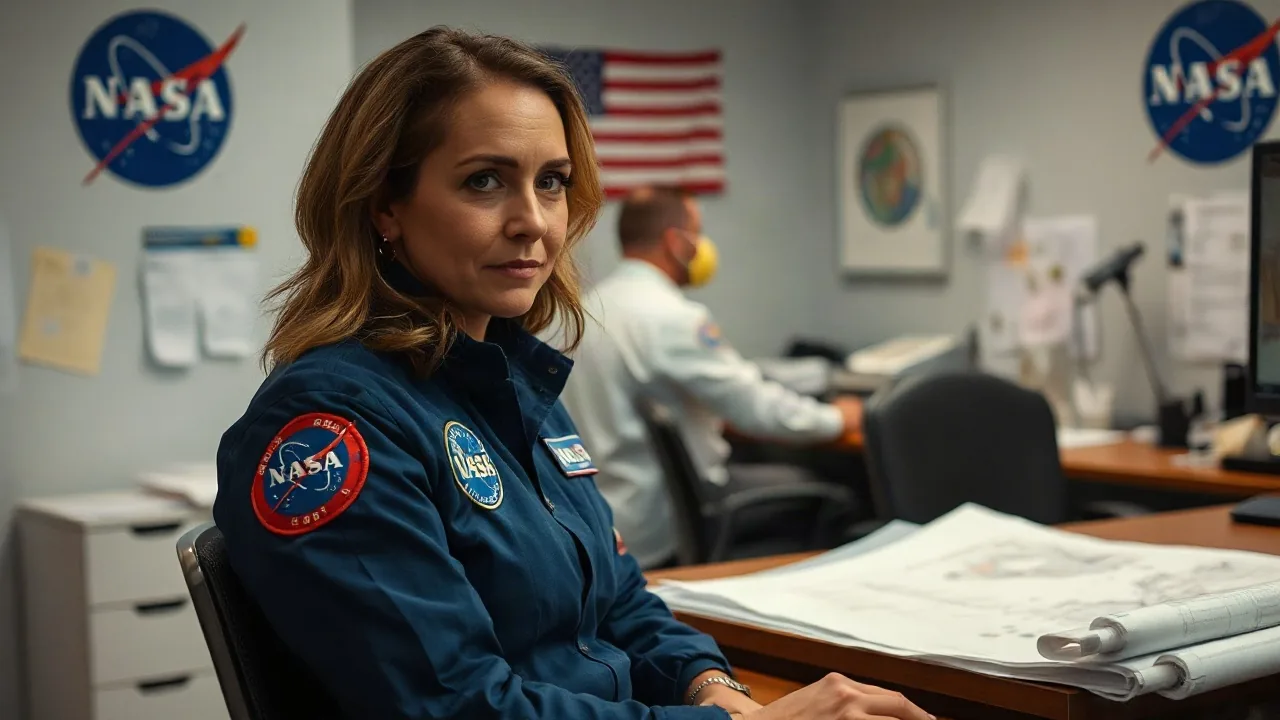
Astronaut Christina Koch, renowned for her record-breaking spacewalk, is trading her spacesuit for a desk job, taking on a significant leadership role within NASA. She has been appointed Acting Deputy Chief Engineer, a move that signals a new chapter in her storied career with the space agency. Koch's transition away from active astronaut duty marks the end of her pursuit of future spaceflight assignments, including potential missions on the upcoming Artemis program.
The announcement came from NASA officials, highlighting Koch's extensive experience and expertise gained during her time in orbit. Her most notable mission was a 328-day stay aboard the International Space Station (ISS) in 2019-2020, during which she also participated in the first all-female spacewalk alongside Jessica Meir. This extended mission provided invaluable data on the effects of long-duration spaceflight on the human body, contributing significantly to preparations for longer voyages, such as those planned for the Artemis program.
New Challenges in Engineering Leadership
In her new capacity as Acting Deputy Chief Engineer, Koch will be instrumental in overseeing and guiding various engineering aspects of NASA's complex missions. This role requires a deep understanding of spacecraft systems, mission design, and the technical challenges inherent in space exploration. Her firsthand experience as an astronaut provides a unique perspective, allowing her to connect operational realities with engineering solutions more effectively. This is a critical juncture for NASA as it pushes the boundaries of human spaceflight, aiming to return astronauts to the Moon and eventually travel to Mars.
Koch, a graduate of NC State University, has a background in electrical engineering and a distinguished career as a naval officer before joining NASA's astronaut corps in 2012. Her journey to space includes multiple assignments on the ISS, where she contributed to numerous scientific experiments and station maintenance tasks. The decision to step down from flight status was made after careful consideration, with Koch expressing a desire to contribute to NASA's mission in new ways. Her move into a deputy chief engineer position signifies the agency's strategy to leverage its most experienced personnel in key leadership roles, ensuring continuity and innovation.
The broader context of Koch's career shift is NASA's ongoing commitment to pushing the frontiers of space exploration. The agency is investing heavily in the Artemis program, which aims to establish a sustainable human presence on the Moon and use it as a stepping stone for future missions to Mars. Having experienced astronauts like Koch move into critical engineering and leadership roles is vital for the success of these ambitious goals. Their practical knowledge of spaceflight challenges is an invaluable asset in designing, building, and operating the next generation of spacecraft and habitats.
While Koch will no longer be flying on missions, her impact on space exploration will continue to be profound. Her new role underscores NASA's dedication to fostering talent and providing diverse career paths for its astronauts. The agency relies on the expertise of individuals like Koch to navigate the complex technical landscape and ensure the safety and success of human missions beyond Earth. Her transition serves as an inspiration to aspiring engineers and astronauts, demonstrating that dedication and skill can lead to impactful contributions at every level of the space agency.