
G2 Geomagnetic Storms Expected October 11, 2026, Boosting Aurora Chances
NOAA predicts moderate G2 geomagnetic storms on October 11, 2026, potentially bringing the aurora borealis to lower latitudes across the United States.

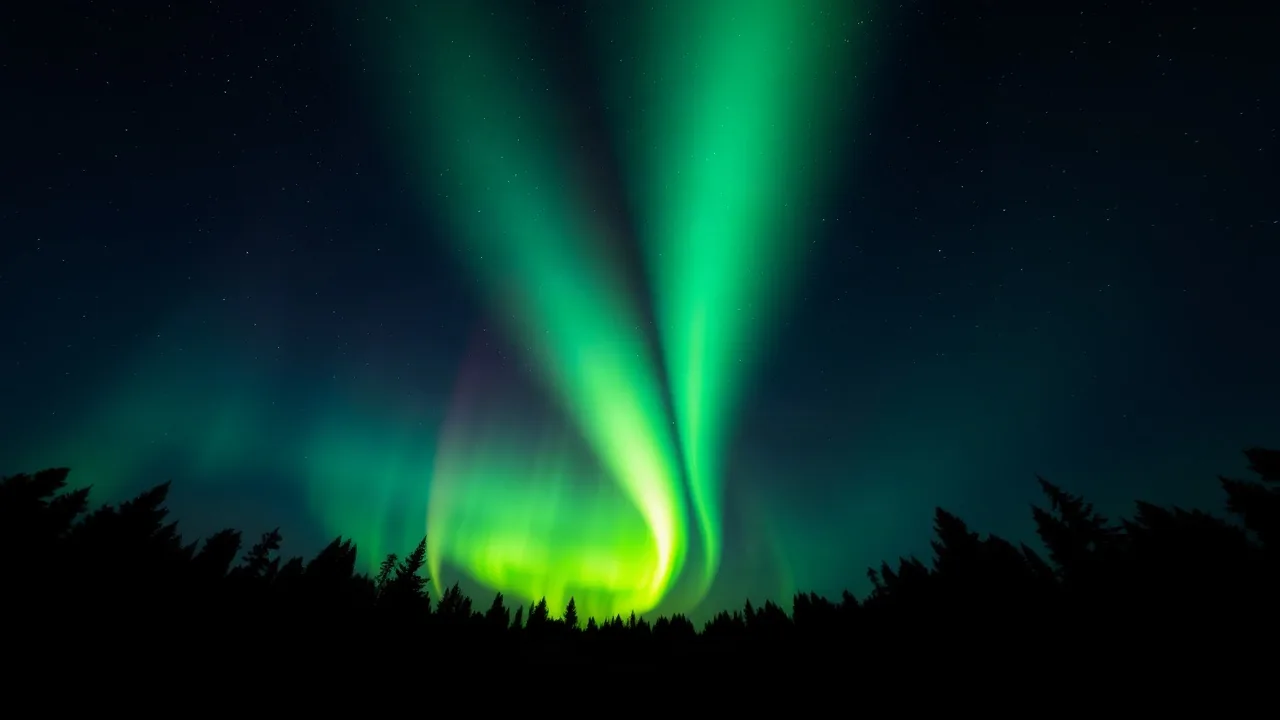
The NOAA Space Weather Prediction Center has forecasted moderate G2 geomagnetic storms for October 11, 2026. This solar activity, driven by a recent coronal mass ejection (CME) from the sun, increases the likelihood of auroral displays reaching farther south than usual, potentially offering stunning views for residents across the continental United States.
Geomagnetic storms are disturbances on Earth's magnetic field resulting from the interaction of the solar wind with the planet's magnetosphere. The G2 classification indicates a moderate level of storming, which can affect power grids, satellite operations, and, notably, enhance the visibility of the aurora borealis. While typically confined to polar regions, G2 storms can sometimes extend the aurora's reach to states in the northern U.S., and under favorable conditions, even further south.
Auroral Visibility and Factors to Consider
The visibility of the northern lights depends on several factors beyond the intensity of the geomagnetic storm. Cloud cover is a significant obstacle, and sky watchers are advised to check local weather forecasts. Additionally, light pollution from urban areas can greatly diminish the aurora's brilliance. For the best viewing experience, seeking out dark, open skies away from city lights is crucial. The event on October 11, 2026, presents a promising opportunity, but optimal viewing conditions require clear skies and minimal ambient light.
This solar event stems from a significant ejection of plasma and magnetic field from the sun's corona, known as a CME. When these CMEs are directed towards Earth, they can trigger geomagnetic storms. The NOAA's Space Weather Prediction Center continuously monitors solar activity and provides timely alerts and forecasts to help mitigate potential impacts and inform the public about space weather phenomena. Understanding these events is becoming increasingly important as our reliance on technology, from power grids to satellite communications, grows.
The potential for widespread aurora viewing serves as a powerful reminder of the dynamic and interconnected relationship between the sun and Earth. While such events can pose challenges for technological infrastructure, they also offer spectacular natural light shows. Residents in areas with higher latitudes are more likely to witness the northern lights, but the current forecast suggests a broader potential viewing area this weekend. The NOAA will continue to issue updates as more data becomes available regarding the storm's trajectory and intensity.