
ISS Astronauts Shelter in SpaceX Dragon Amid Air Leak Repairs
Five astronauts on the ISS temporarily moved to a SpaceX Dragon capsule as cosmonauts worked to fix a persistent air leak. Repairs were paused, and the crew has returned to normal operations.

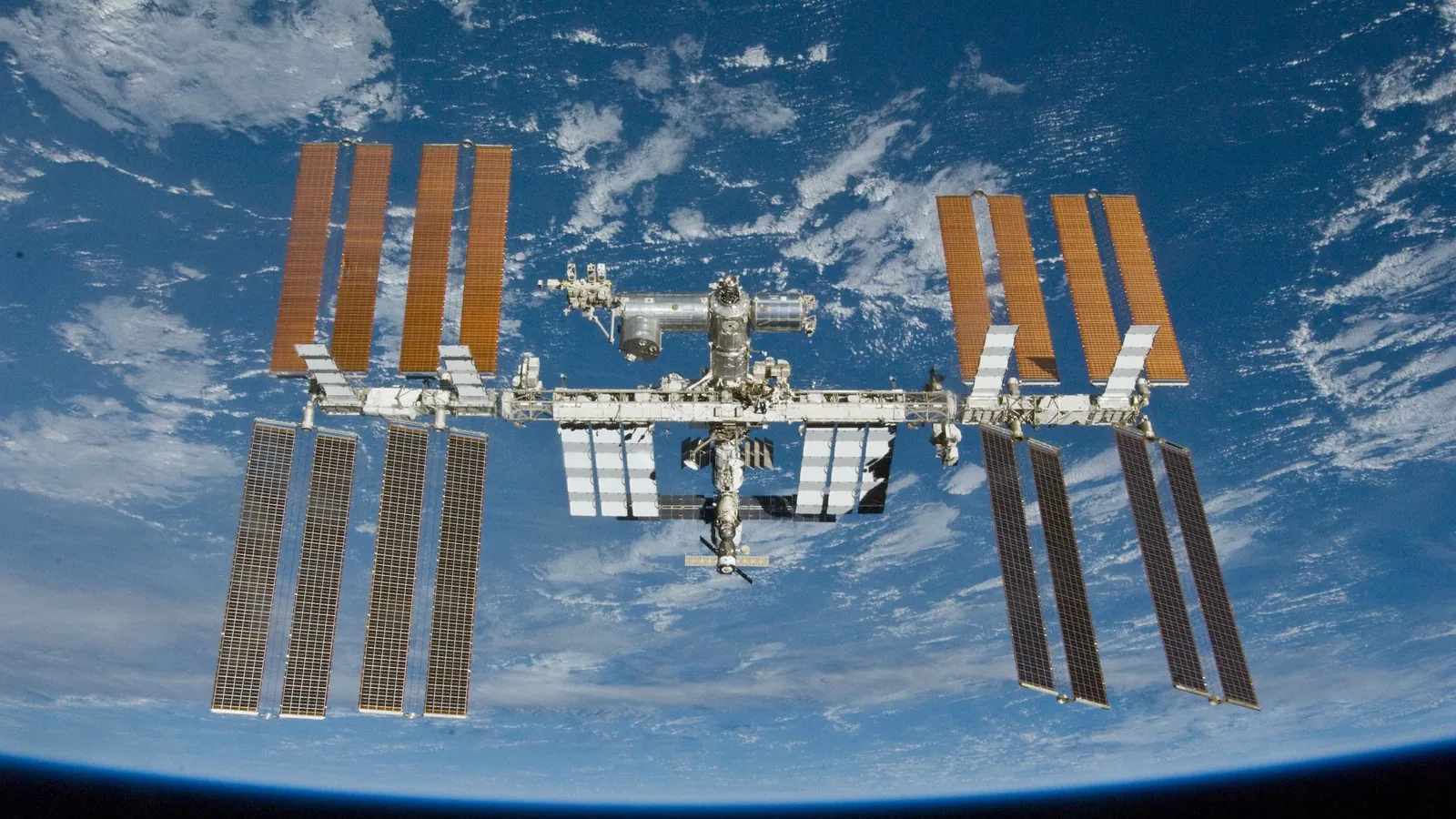
Five astronauts aboard the International Space Station (ISS) were directed to shelter in a SpaceX Dragon spacecraft on June 6, 2026, while Russian cosmonauts attempted repairs on an air leak within the station. The decision was made out of an abundance of caution by NASA. The affected area is a transfer tunnel connecting to the Zvezda service module, one of the station's older components. This persistent leak, attributed to small cracks, has been a long-standing issue managed by Russia's space agency, Roscosmos, through ongoing mitigation efforts. These measures had been effective until recently, when the leak reappeared, prompting a more extensive repair operation. NASA spokesperson Bethany Stevens announced the directive via X, formerly Twitter.
The astronauts taking shelter were members of SpaceX's Crew-12 mission: NASA's Jessica Meir and Jack Hathaway, European Space Agency's Sophie Adenot, and cosmonaut Andrey Fedyaev. They had arrived at the ISS in mid-February for a planned six-month stay. Joining them in the Crew-12 Dragon capsule, named "Freedom," was NASA astronaut Chris Williams. Williams had arrived at the station in late November aboard a Russian Soyuz spacecraft, reportedly accompanied by cosmonauts Sergey Kud-Sverchkov and Sergei Mikaev, who are presumed to have undertaken the repair attempt. Details regarding the specific individuals performing the repair and the exact nature of the operation were not immediately released by NASA.
ISS Aging and Repair Efforts
The incident highlights the advanced age of the International Space Station, which began construction in 1998 and has maintained continuous human occupation since November 2000. The Zvezda service module itself launched in July 2000, making it one of the station's earliest components. Despite its age, the ISS is slated to continue operations through at least 2030, with potential extensions until 2032. This extended operational life allows time for the development and deployment of commercial space stations intended to succeed it. The current situation underscores the ongoing maintenance challenges associated with such a long-serving orbital outpost.
However, the repair efforts were short-lived. Roscosmos paused the structural repair work inside the PrK transfer tunnel just hours after it began. According to Stevens' subsequent X post at 10:57 a.m. EDT (1457 GMT), more measurements and data were being assessed. "Given this development, NASA has instructed the crew members inside the Dragon spacecraft to end the safe haven procedures and return to planned operations aboard the International Space Station," she stated. This rapid shift from a heightened safety posture back to normal operations indicates a dynamic assessment of the situation and the immediate risks involved. The ability to quickly reassess and adjust protocols is crucial for astronaut safety during complex orbital missions.
The PrK transfer tunnel, a critical passage within the station, requires meticulous attention due to the sealed environment of space. Even small leaks can pose significant risks if not properly managed. The ongoing efforts by Roscosmos and NASA to maintain the integrity of the ISS structure reflect the dedication and expertise of the international crews and ground control teams. The successful extension of the ISS's lifespan demonstrates the robust engineering and commitment to space exploration. As private successors prepare for launch, the ISS continues to serve as a vital platform for scientific research and a testament to international cooperation in space.