
Leonid meteor shower peaks overnight with bright streaks and fireballs
The Leonid meteor shower peaks overnight Monday into Tuesday, offering stargazers a chance to view bright streaks, fireballs, and planets like Mars and Jupiter.

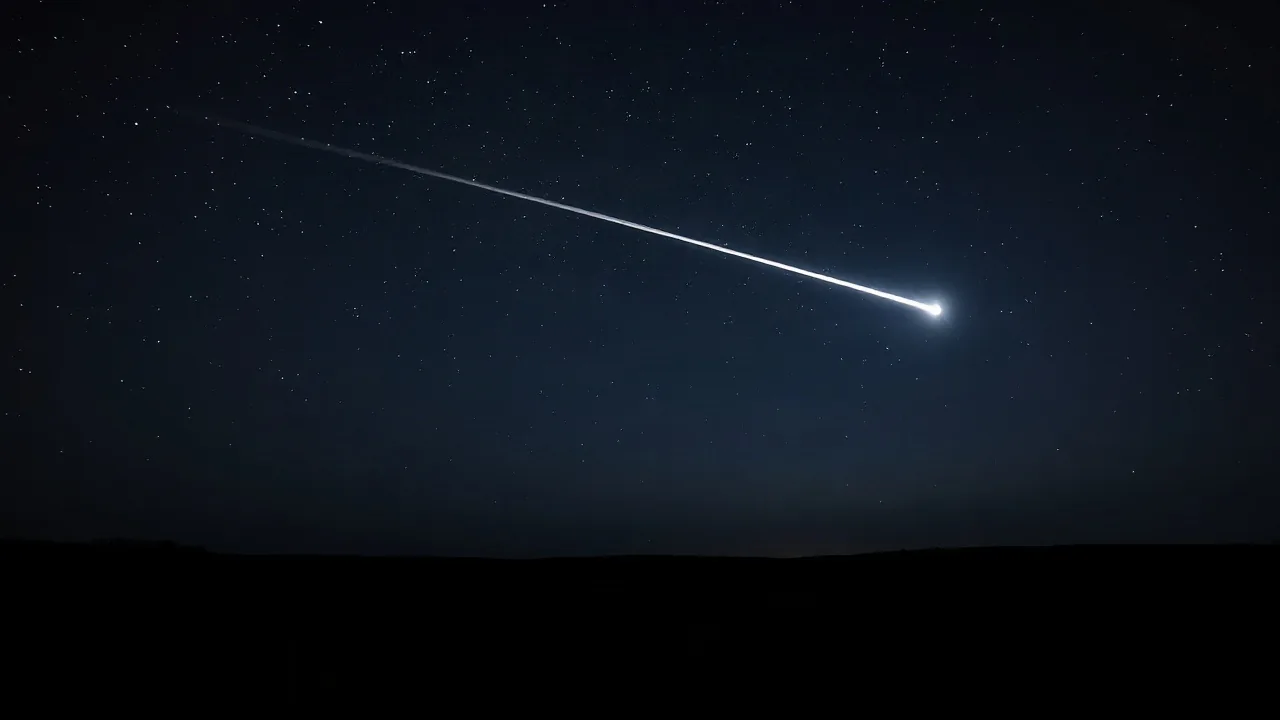
Skywatchers across the United States have an opportunity to observe the Leonid meteor shower as it reaches its peak overnight from Monday into early Tuesday. While current activity will not match the historic display from 60 years ago, when thousands of meteors flashed across the sky in a 15-minute window, the annual event remains a notable night sky spectacle.
The Earth is currently moving through a trail of debris left behind by the periodic comet known as Tempel-Tuttle, formally designated as 55P/Tempel-Tuttle. Discovered 160 years ago on Dec. 19, 1865, by William Tempel of the Marseille Observatory in France, the comet itself leaves behind material that creates the display. According to the American Meteor Society, “It is not fresh material from the comet that we see, but debris from earlier returns that happens to be most dense at the same time.”
Viewing Tips and Planetary Alignments
Moving at speeds of 44 miles per second, the Leonids rank among the fastest meteors and are recognized for producing bright displays, distinct colors, fireballs, and Earth-grazing meteors that skim the upper atmosphere at shallow angles, according to NASA. Observers typically see between 10 and 15 meteors per hour during a standard year, requiring patience and dark skies.
To catch the display, experts recommend heading out after midnight on Monday night, finding a dark location, and allowing up to 20 minutes for eyes to adjust while avoiding cell phones. Although the meteors appear to radiate outward from the constellation Leo, they will cross across the entire night sky. Observers should also account for a moon that is roughly 40 percent illuminated, which may obscure fainter meteors, alongside potential weather interference from high clouds.
In addition to the meteors, early morning viewers on Monday and Tuesday can spot a conjunction of Mars and Jupiter rising closely together in the eastern sky without the need for a telescope. The Leonids also serve as an annual precursor to the major Geminids meteor shower, which is scheduled to peak on December 13 through 14.