
NASA Adds Six SpaceX Missions Amid Boeing Starliner Delays
NASA is adding six new missions to its contract with SpaceX for crewed flights to the International Space Station. This move aims to ensure consistent transportation amid ongoing challenges with Boeing's Starliner spacecraft.

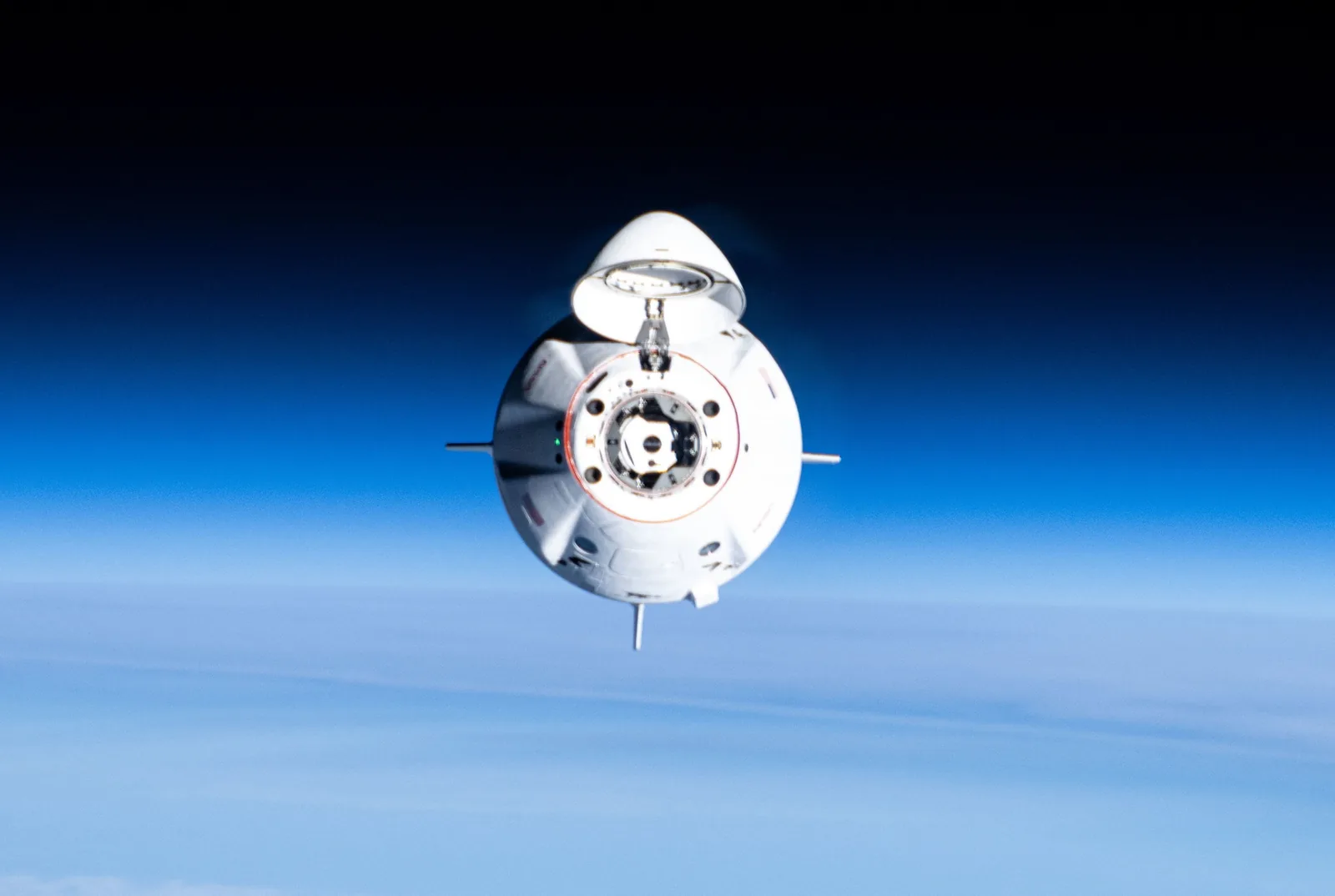
NASA announced on May 18 its intention to procure six additional Post-Certification Missions (PCMs) for its Commercial Crew Program from SpaceX. This sole-source award aims to bolster the agency's crew transportation capabilities to the International Space Station (ISS) and mitigate risks associated with Boeing's delayed Starliner spacecraft certification. NASA plans to order three of these missions immediately, initiating preparations for them.
The space agency last amended SpaceX's existing contract in 2022, adding five missions for $1.4 billion, extending coverage through the Crew-14 mission. The Crew-12 mission is currently aboard the ISS. This latest procurement reflects NASA's strategic response to a complex operational landscape, including shortened ISS mission durations and persistent technical hurdles faced by its commercial partners.
Addressing Starliner's Uncertainties
In a procurement filing, NASA cited several critical factors necessitating the expansion of SpaceX's role. "It is necessary to award additional PCMs to SpaceX given the recently shortened ISS mission durations, technical issues and schedule delays encountered by Boeing, the allocation of missions between Boeing and SpaceX, NASA’s projections for when an alternative CTS may become available, and the ongoing technical challenges of maintaining a reliable CTS capability for crewed flights to ISS," the agency stated. Boeing's CST-100 Starliner remains uncertified for crewed missions. A planned cargo-only flight, Starliner-1, was not included in NASA's recent manifest for ISS missions.
NASA and Boeing had previously adjusted their contract in November 2024, reducing planned missions from six to four, with options for two more. These adjustments were partly influenced by NASA's decision to maintain six-month ISS mission durations, maximizing the station's utility in its final years, rather than extending them to eight months as previously considered. Extending crew rotations to eight months would have reduced the number of required missions.
The addition of six missions to SpaceX's contract is projected to cover approximately three years of ISS operations, aligning with a cadence of one mission every six months. This extension, combined with the existing contracted missions extending through Crew-14 in the fall of 2027, would ensure reliable crew access to the orbiting laboratory until late 2030, the anticipated retirement year for the ISS. NASA has indicated that the final crewed mission to the station may involve an extended one-year stay.
This strategic move underscores NASA's commitment to maintaining robust human spaceflight capabilities. By leveraging the proven reliability of SpaceX's Dragon spacecraft, the agency is securing essential transportation services for its astronauts and scientific objectives aboard the International Space Station. The situation highlights the critical importance of redundancy and contingency planning in long-duration spaceflight operations, particularly as the ISS enters its final decade of service.