
Orionid Meteor Shower Peaks: Catch Cosmic Dust Trails in October 2026
The annual Orionid meteor shower is set to reach its peak in October 2026. Viewers can expect to see dozens of shooting stars per hour streaking across the night sky.

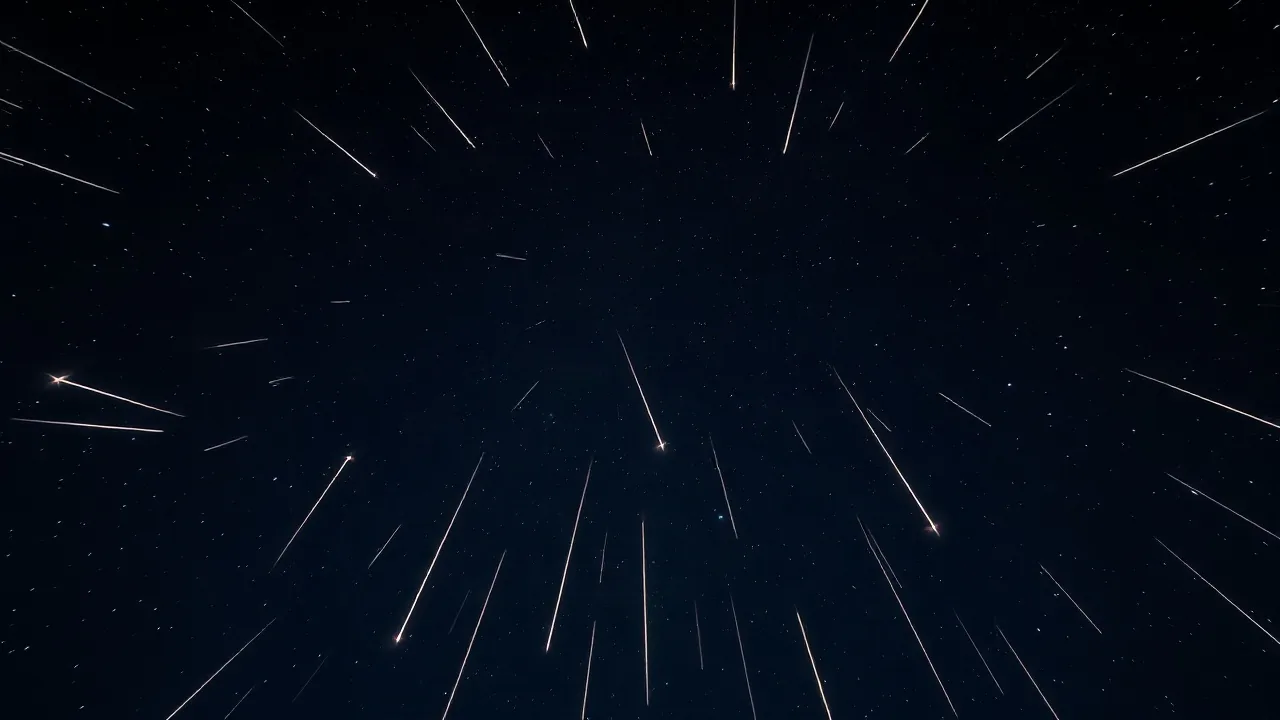
Skywatchers are preparing for a celestial spectacle as the annual Orionid meteor shower reaches its peak activity in October 2026. Known for its bright meteors and occasional fireballs, the Orionids are one of the most anticipated meteor showers of the year. The best viewing conditions are expected on the night of October 20th and into the early morning of October 21st, provided clear skies and minimal light pollution.
This prolific meteor shower occurs when Earth passes through the debris trail left behind by Halley's Comet. As small particles from the comet, some no larger than a grain of sand, enter Earth's atmosphere at high speeds, they burn up, creating the brilliant streaks of light we observe as shooting stars. The Orionids are particularly famous for producing fireballs – exceptionally bright meteors that can leave persistent trails, sometimes described as 'Halloween fireballs' due to their proximity to the holiday.
Viewing Tips for Orionid Meteors
To maximize the chances of observing the Orionid meteor shower, experts advise finding a location away from city lights. Once settled, allow your eyes at least 20 to 30 minutes to adjust to the darkness. No special equipment is necessary; a comfortable chair and a blanket are sufficient. The meteors radiate from the constellation Orion, but they can appear anywhere in the sky. While the peak viewing window is narrow, some Orionid activity can be visible for several weeks before and after the main event, beginning as early as late September and extending into November.
Astronomer Dr. Evelyn Reed from the American Astronomical Society commented on the phenomenon: "The Orionids are always a crowd-pleaser. Because they are composed of debris from Halley's Comet, which has a short orbital period, we get a reliable show each year. The conditions this year, particularly the moon phase, appear favorable for optimal viewing."
The meteors originate from debris shed by Halley's Comet during its passes through the inner solar system. While the comet itself visits Earth only once every 76 years, its dusty remnants create this annual celestial display. The particles hit Earth's atmosphere at approximately 41 miles per second (66 kilometers per second), making them some of the fastest meteors observed. This high speed contributes to their brightness and the duration of their visible trails. For those in North America, looking towards the eastern horizon after midnight offers the best chance to catch the shower's early activity.
This year's Orionid meteor shower is predicted to produce between 10 and 20 meteors per hour at its peak. While this number might seem modest compared to other showers like the Perseids, the Orionids are renowned for their quality rather than quantity, often boasting bright, quick flashes that captivate observers. The event offers a fantastic opportunity for amateur astronomers and casual stargazers alike to connect with the cosmos and witness a breathtaking natural light show. The astronomy community is particularly excited about the potential for numerous bright fireballs this year.