
Rare Blue Moon Sets This Weekend: How to Watch
This weekend offers a rare celestial event: a 'Blue Moon,' the second full moon in a single calendar month. The best viewing time is Saturday evening as it rises near the horizon.

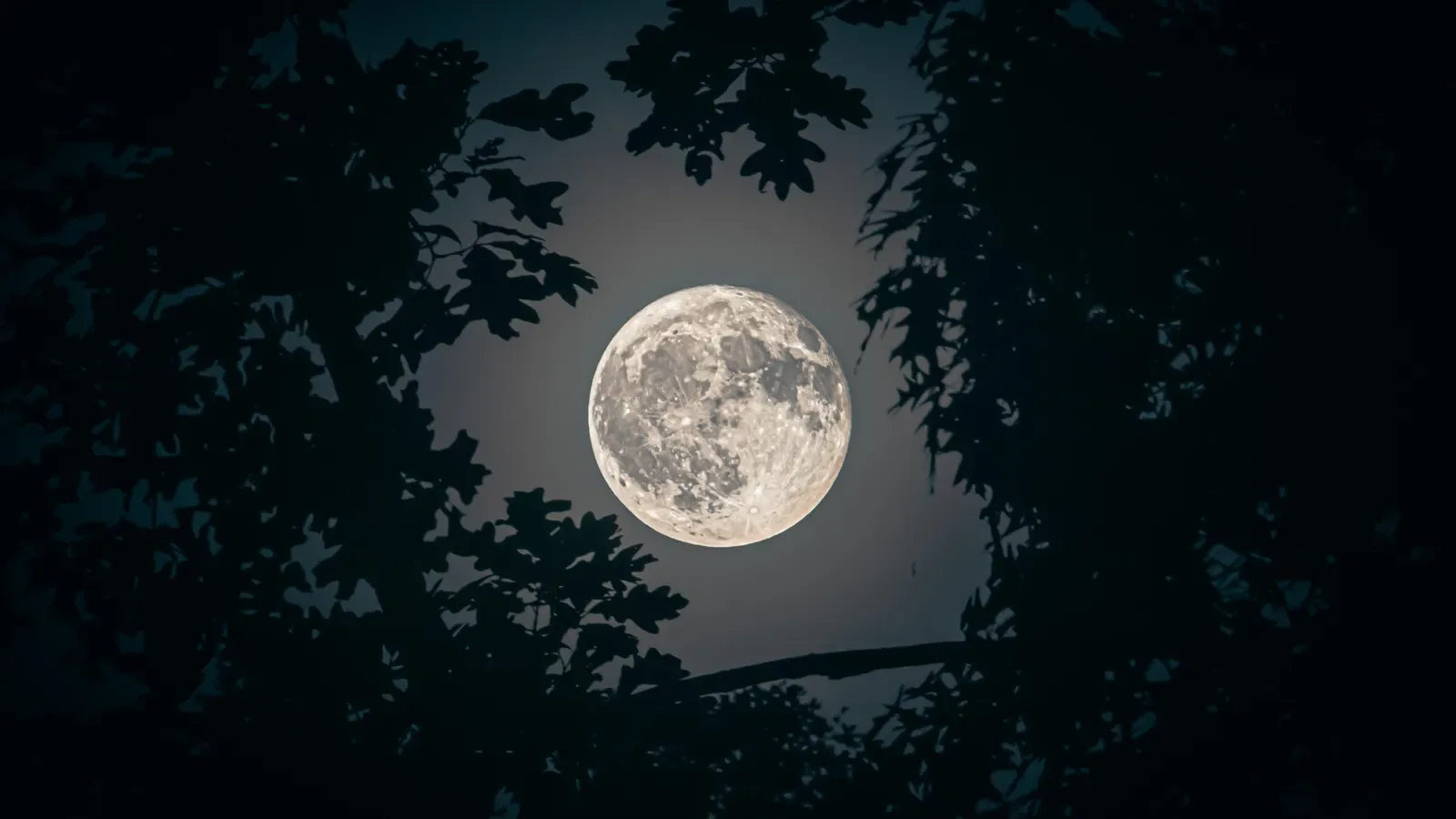
The end of May 2026 will feature a rare celestial spectacle as the second full moon of the month, commonly known as a ‘Blue Moon,’ rises. While the name suggests color, this phenomenon is purely calendrical, occurring when two full moons fall within the same calendar month due to the moon's 29.5-day cycle not perfectly aligning with our Gregorian calendar. This occurrence, happening roughly every two to three years, presents a unique opportunity for skywatchers. The next such 'monthly' blue moon is slated for December 31, 2028.
Many might assume the Blue Moon occurs on Sunday, May 31, the actual date of the second full moon. However, seasoned observers know that the most striking view of a full moon is not when it is high overhead, but rather when it appears low on the horizon shortly after sunset. This prime viewing moment for the May Blue Moon will occur during dusk on Saturday, May 30, presenting a perfect opportunity to witness its emergence against the landscape.
Atmospheric Effects on Moon Appearance
The term ‘Blue Moon’ itself refers to the rarity of experiencing two full moons in one month, not to any actual change in the moon's color. Just as the sun can appear deep orange during sunrise and sunset due to atmospheric conditions, so too can the full moon exhibit similar hues during moonrise and moonset. This optical effect stems from a phenomenon known as Rayleigh scattering, a principle described by physicist Lord Rayleigh in 1871. Earth's atmosphere scatters shorter wavelengths of light, such as blue, more readily than longer wavelengths, like red. Consequently, more red light travels unimpeded through the atmosphere to our eyes, giving celestial bodies viewed near the horizon a warmer, often orange or red, appearance.
For those in urban areas, this event is particularly accessible. Unlike meteor showers or deep-sky observations that often require dark skies away from light pollution, appreciating the Blue Moon requires only precise timing and a clear view toward the east as dusk settles. This makes it one of the most reliably observable sky events of the year for a broad audience.
Beyond the Blue Moon, the night sky in June 2026 promises further wonders. Between June 9 and 11, Venus and Jupiter will engage in a spectacular conjunction, appearing close together low in the western sky after sunset. This alignment is anticipated to be a standout naked-eye event. Following this, the new moon on June 15 will bring a brief period of dark skies. The month concludes with the June solstice on June 21, marking the shortest nights of the year for the Northern Hemisphere.