
AI in College Sports Analytics Reshapes 2026 Game Strategy
Artificial intelligence is redefining how college football teams prepare for competition in 2026, from predictive player analysis to real-time tactical adjustments. Major programs now rely on machine learning models to gain recruiting and performance edges.

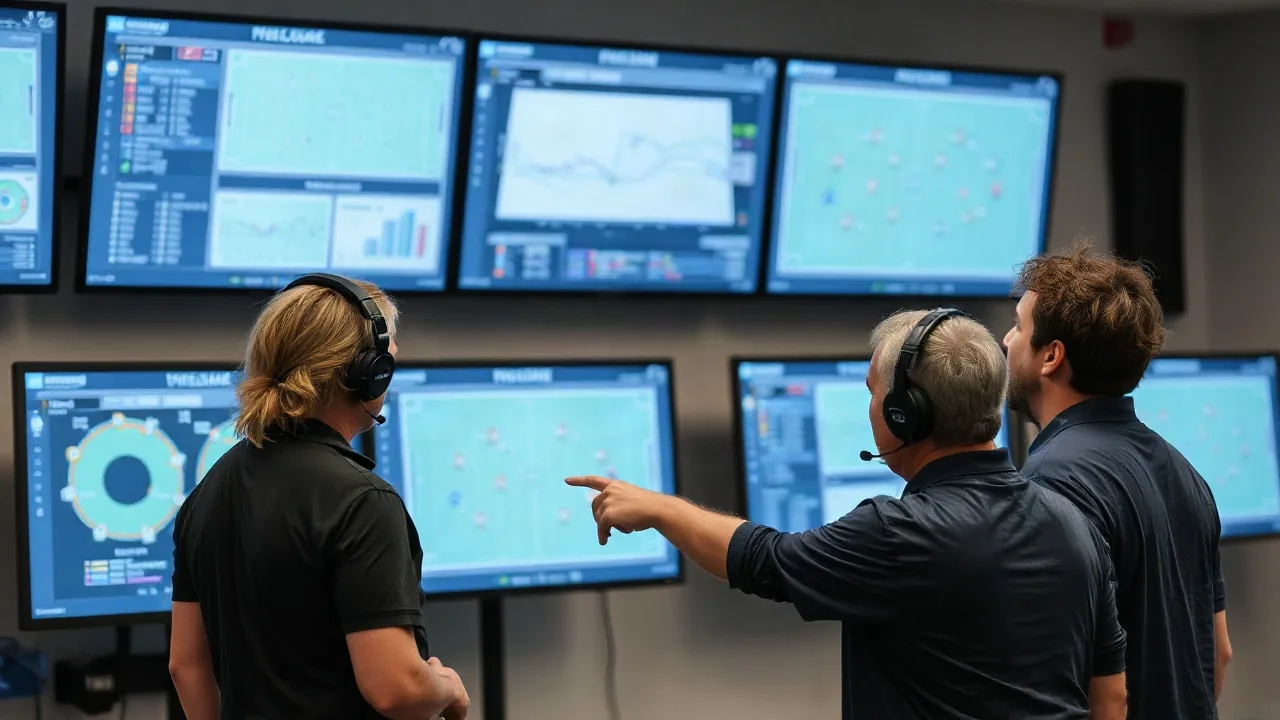
Wisconsin's coaching staff entered the 2026 season armed with a computational advantage their predecessors never had. Like dozens of other major college football programs, the Badgers deployed artificial intelligence systems to break down game film, predict injury risk, and optimize play-calling against opponents like Notre Dame. This shift represents a fundamental change in how college sports teams prepare for competition.
The adoption of AI across college athletics accelerated dramatically through 2026. Programs ranging from the Big Ten to the ACC now embed machine learning engineers on their coaching staffs, a role that barely existed five years ago. These systems process thousands of data points per player per game, identifying patterns invisible to human analysts.
"We're at an inflection point," said Dr. Marcus Chen, sports analytics director at a top-tier university analytics consulting firm. "The teams investing heavily in AI infrastructure right now are building permanent competitive advantages. It's not just about winning; it's about resource efficiency and player safety."
How Machine Learning Transforms Practice and Performance
Machine learning systems now run continuous analysis on player performance metrics collected from wearable devices, motion capture during practice, and game footage. These tools flag injury risk weeks before symptoms emerge, allowing strength coaches to adjust training loads. The data is granular: stride efficiency, heart rate variability, hip mobility patterns, and cognitive response times during high-pressure scenarios.
Wisconsin's 2026 roster benefited from predictive models that identified which defensive schemes would most effectively disrupt Notre Dame's offensive line positioning. The AI examined years of film, cross-referenced with current opponent personnel data, and generated play-call probabilities for different field positions and game states.
Key applications deployed across major programs include:
- Real-time injury prediction and prevention protocols integrated with medical staff
- Opponent tendency analysis that updates daily based on newly available film
- Personalized training regimens adjusted by player biometric responses
- Draft prospect evaluation models that assess NFL-readiness trajectories
- Fan engagement optimization through predictive ticket and merchandise targeting
The investment reflects a broader recognition that athletic performance gains of 1-2 percent compound across a season. In a sport where games often turn on single possessions, AI-driven marginal improvements frequently determine bowl eligibility and playoff selection.
Strategic Implications and Competitive Pressure
The recruiting advantage created by AI adoption has become undeniable. Top-tier programs can now demonstrate to recruits exactly how their development will be optimized, showing personalized training protocols powered by machine learning analysis of their film and measurables. Coaching staffs pitch not just tradition but technological sophistication.
By September 2026, programs without sophisticated analytics infrastructure reported feeling pressure to modernize. Mid-tier universities scrambled to hire former tech industry professionals or partner with analytics startups. The cost barrier, however, remains steep. Building a competitive AI system requires significant capital investment, sustained technical talent, and institutional commitment.
"Five years ago, this was a differentiator," said another industry analyst working with college athletic departments. "Today it's becoming table stakes. If you're not investing, you're implicitly accepting a competitive disadvantage." This dynamic has already reshaped recruiting rankings and NIL valuation discussions, with AI-equipped programs attracting higher NIL funding from boosters confident in player development outcomes.
The Wisconsin-Notre Dame matchup exemplifies this new reality. Both programs deployed AI systems to prepare, but their sophistication levels and implementation timelines differed. The team with better integration of game strategy AI across coaching and medical departments gained a measurable edge in execution consistency and injury management throughout the season.
Fan Engagement and Broadcasting Innovation
Beyond the sideline, AI is reshaping how fans experience college sports in 2026. Broadcasters use machine learning to generate real-time graphics predicting play success based on field position, defensive alignment, and historical success rates. These overlays provide instant context, deepening casual viewer engagement.
Streaming platforms employ AI recommendation engines that surface highlights of specific players, formations, or defensive calls, personalizing the viewing experience. Ticket pricing algorithms adjust dynamically based on predicted demand, team performance projections, and opponent strength models. Fantasy sports platforms have become far more sophisticated, with AI-generated player projections and daily lineup optimization suggestions driving higher engagement.
2026 trends show that fan bases increasingly expect this level of technological integration. Youth players growing up with AI-enhanced analytics in high school now expect the same at the college level. This generational shift in expectations accelerates institutional adoption across all power conference athletics.
The transformation remains incomplete. Privacy concerns about biometric data collection, questions about algorithmic bias in injury prediction, and debates over whether AI amplifies competitive imbalance between wealthy and less-resourced programs continue. Yet the direction is clear: artificial intelligence is now foundational to elite college sports preparation, strategy development, and fan engagement.