
CBS Show Cancellations and AI-Driven Media Analytics in 2027
Networks are deploying artificial intelligence to forecast and shape cancellation decisions. A look at how data science is reshaping broadcast television strategy in 2027.

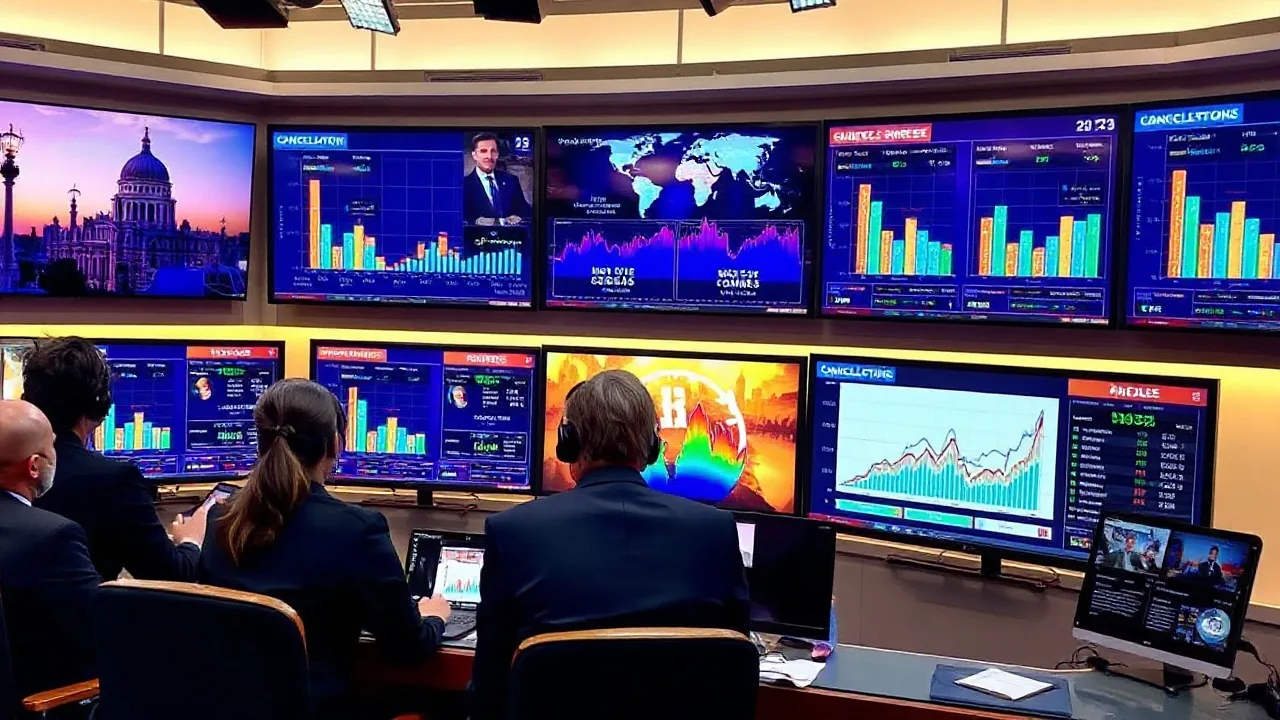
CBS executives sat down in May 2026 to review viewership models that would inform fall 2027 programming decisions, armed with algorithmic forecasts instead of traditional Nielsen ratings alone. The network is among major broadcasters increasingly relying on artificial intelligence and predictive analytics to decide which shows live, which die, and which never air at all.
The trend reflects a fundamental shift in how television networks evaluate content. Rather than waiting for a full season of performance data, studios now deploy machine learning systems that ingest streaming patterns, social media sentiment, demographic engagement, and historical cancellation data to estimate a show's survival odds months before premiere.
"We're seeing networks move from reactive to proactive cancellation strategies," said Margaret Chen, senior analyst at Broadcast Intelligence Partners, in a June 2026 interview. "AI models can identify struggling shows by week three instead of week thirteen, allowing networks to cut losses faster and reallocate resources."
How AI Models Predict Show Viability
Predictive systems analyze dozens of variables to estimate whether a show will survive renewal. These include premiere-day social media mentions, international streaming demand, media analytics on competitor positioning, and patterns from canceled predecessors in the same genre.
The algorithms work by comparing incoming shows against historical databases of thousands of canceled and renewed programs. A drama pilot with weak Tuesday-night household ratings but strong Thursday viewership among adults 25-49 might trigger different model outcomes than one with flat performance across all demographics.
Netflix, Amazon Prime Video, and Apple TV+ have already adopted this approach internally. Traditional broadcasters like CBS, NBC, and ABC adopted similar systems between 2024 and 2026, though implementation varies. CBS's own data science team has built proprietary models that factor in cable cord-cutting trends and streaming cannibalization effects.
Key metrics these systems monitor include:
- Premiere-week social media velocity and sentiment polarity
- Repeat-viewing rates among core demographic groups
- International licensing interest and subtitle-language demand
- Competitor show performance in overlapping time slots
- Historical renewal rates for similar show archetypes and creators
The 2027 Cancellation Wave and Industry Impact
Industry forecasters expect 15 to 20 percent higher cancellation rates in 2026-2027 compared to 2023-2024, partly due to AI early warning systems. Fewer shows now get the traditional "slow burn" second or third season; the data-driven model demands faster proof of concept.
This acceleration has already affected production pipelines. Writers and producers report shorter pick-up windows, tighter pilot budgets, and more pressure to demonstrate audience appeal in initial marketing windows. A broadcast television executive told Variety in April 2026 that "one bad premiere metric can kill a show before the second episode airs."
CBS specifically greenlighted fewer mid-season replacements in 2026, relying instead on algorithmic forecasts to guide 2027 slate decisions. The network reduced its fall 2026 rollout by two shows compared to prior years, citing "more selective greenlight criteria informed by predictive modeling."
For viewers, the outcome is mixed. Cancellation decisions come faster, meaning fewer shows linger in limbo. But shows also receive less runway to build audiences, and niche programming with slower growth curves faces extinction.
Why Broadcasters Adopted AI Decision-Making
Traditional TV has faced declining ad revenue and viewership for over a decade. Broadcast networks lost approximately $2 billion in ad revenue between 2019 and 2023, forcing executives to optimize every dollar. Data science promises to eliminate expensive misallocations and focus resources on proven winners.
The economics are straightforward. A network drama costs $8 million to $15 million per episode to produce. Ordering 22 episodes of a failing show means sunk costs of $176 million to $330 million. If predictive models can identify problems by episode four, networks can cancel and redeploy that budget elsewhere.
Paramount Global, Fox Corporation, and Warner Bros. Discovery have all publicly cited data analytics and machine learning as central to their content strategies. Disney's Hulu platform uses AI to inform cancellation decisions across its entire portfolio of originals.
However, reliance on algorithmic forecasting carries risks. Models trained on historical data can perpetuate biases, potentially favoring shows that resemble past successes while penalizing innovative concepts with no precedent. A show that breaks genre conventions may trigger low algorithmic scores despite eventual audience enthusiasm.
"The danger is that AI flattens risk-taking," said David Park, content strategy consultant and former network executive, in a June 2026 email. "Models optimize for patterns in the training data. Genuinely novel shows don't have historical analogs, so algorithms undervalue them."
Looking Ahead: The 2027 Slate and Beyond
CBS's fall 2027 lineup will be shaped almost entirely by algorithms trained on 2024-2026 performance data. Early reports suggest the network is greenlighting more genre shows (crime procedurals, medical dramas) that model strongly against historical renewals, and fewer experimental single-camera comedies.
The TV industry remains divided on whether this shift improves outcomes long-term. Some analysts argue that faster feedback loops reduce waste. Others contend that algorithmic decision-making will produce a homogenized slate of predictable programming.
The Writers Guild of America and network unions have begun documenting the impact on working writers, since rapid cancellations directly reduce script orders and assignment opportunities. The 2023 WGA strike included clauses around transparency in AI use, though enforcement remains unclear.
For now, CBS and other major networks treat AI in media as a permanent fixture in greenlight rooms. The next frontier is using these same models to guide real-time edits and promote shows based on which demographic segments show highest predictive engagement. By 2027, the algorithm won't just decide if a show lives or dies, it may determine who sees marketing for it and when.