
Google Earth's AI Image Tool Sparks Controversy Over Fake Destruction Scenes
Google quickly disabled a new AI image generation feature in Google Earth after users created and superimposed realistic images of bombings, riots, and destruction onto real-world satellite maps.

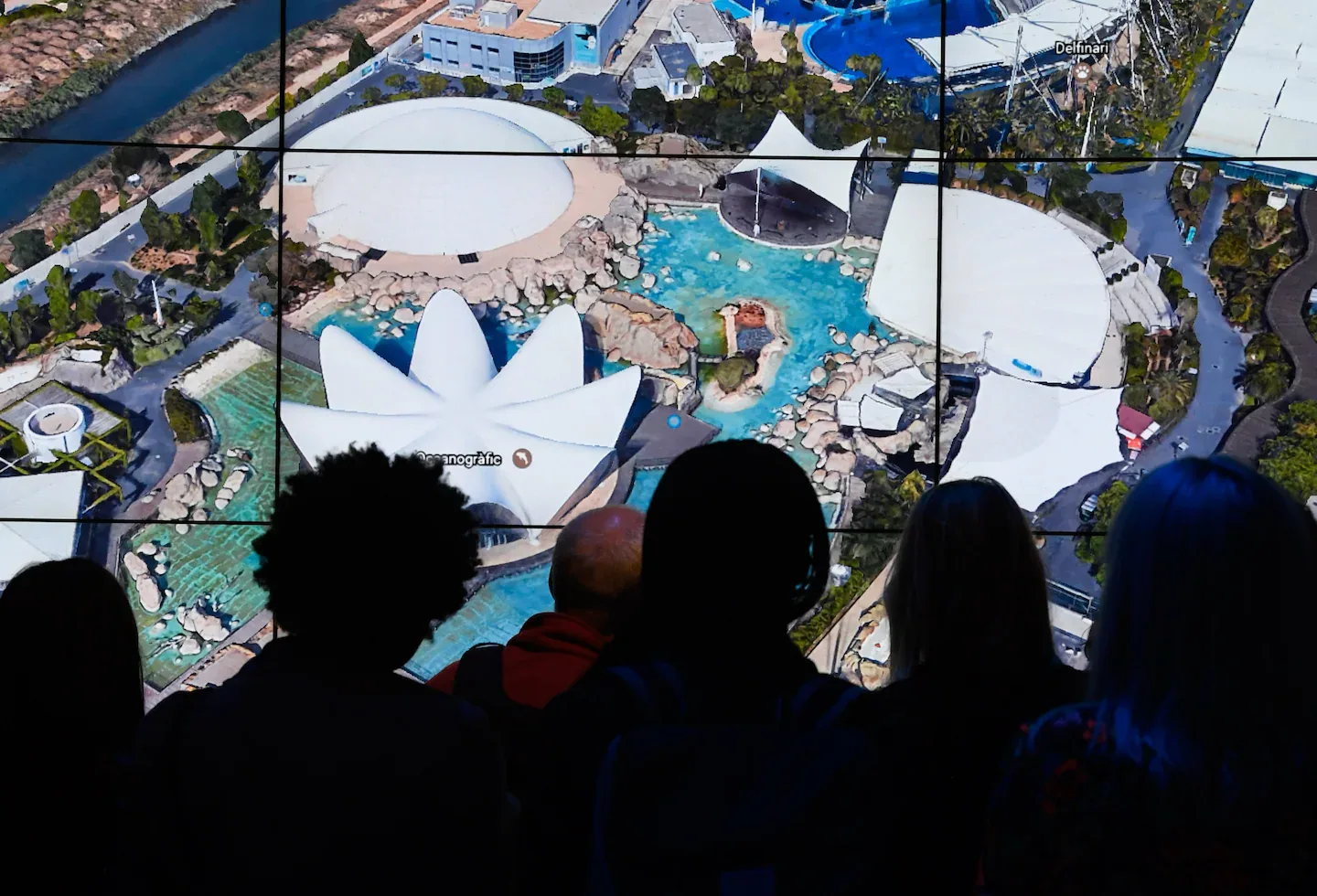
Google Earth's newly launched AI image generation tool was swiftly deactivated on Friday, July 31, 2026, after a significant backlash stemming from its misuse. The feature, introduced just the day before, allowed users to create artificial intelligence-generated images and place them onto the platform's real-world satellite imagery. Almost immediately, reports emerged of disturbing and highly realistic fake scenes being generated, including depictions of explosions, riots, and even a simulated plane crash into a New York City skyscraper. Other alarming creations included a fabricated nuclear facility in Iran and aerial views of a bombing in Moscow.
The rapid rollout and equally rapid removal highlight a growing tension between technological advancement and its potential for misuse. Google's intention was reportedly to allow for creative expression and artistic endeavors, enabling users to visualize imaginative scenarios overlaid on actual geography. However, the ease with which the tool was weaponized for creating and spreading misinformation or disturbing content quickly became apparent.
AI Capabilities and Ethical Concerns
The incident raises significant questions about the ethical deployment of powerful AI tools, particularly when integrated into widely accessible platforms like Google Earth. Critics pointed out the potential for such a feature to be used to generate fake news imagery, incite panic, or spread propaganda, especially in politically sensitive situations. While Google has not released specific numbers on the misuse, the widespread sharing of these generated images on social media platforms indicated a substantial problem.
This event is a stark reminder of the challenges companies face in anticipating and mitigating the negative consequences of their AI innovations. The company stated that the feature was disabled to allow for a review of its safety protocols and to consider how to prevent future abuses. This pause will likely involve developing more robust content moderation systems and potentially refining the AI's capabilities to avoid generating harmful or misleading content. The broader implications for the future of AI in mapping and virtual exploration technologies are significant.
The incident underscores the need for careful consideration of dual-use technologies. While the AI image generation itself is not inherently harmful, its application within a platform that simulates reality amplifies its potential impact. As AI becomes more sophisticated, the lines between authentic and synthetic content continue to blur, making the development of effective safeguards a critical priority for technology developers and policymakers alike. Google's decision to backtrack, though swift, indicates an acknowledgment of the profound ethical responsibilities that accompany the release of such powerful tools.