
NotebookLM Integrates Gemini 3.5, Enhancing AI Research Capabilities
Google's NotebookLM has received a significant upgrade with the integration of Gemini 3.5. This update introduces cloud computing features and improved source-finding assistance, aiming to enhance research workflows for users.

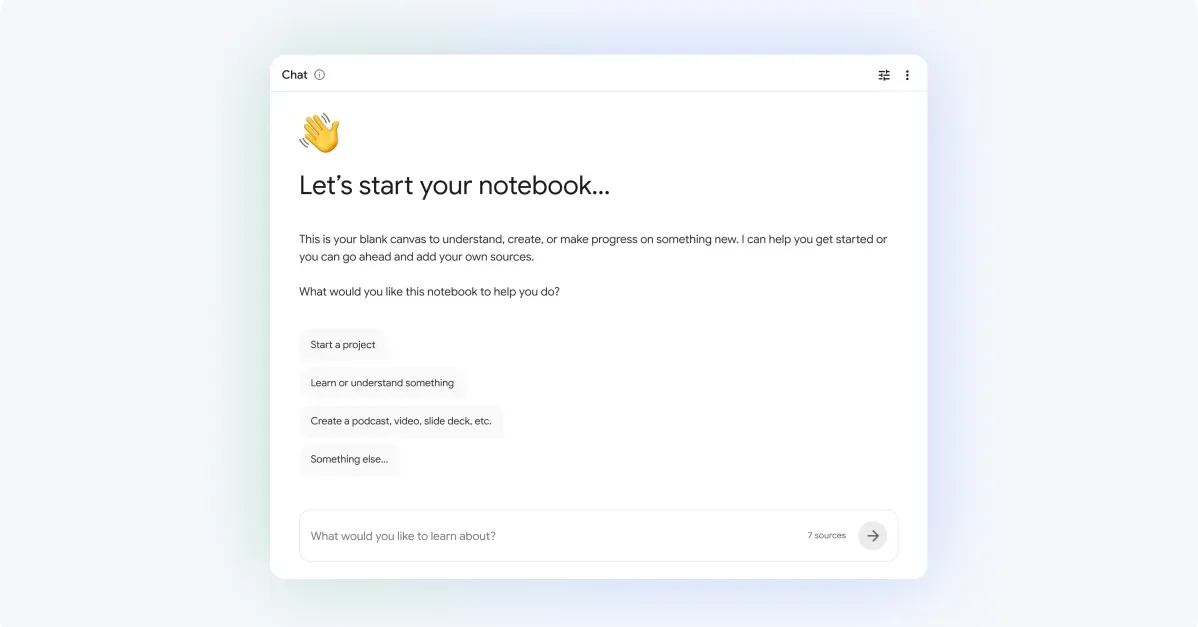
Google's AI-powered research assistant, NotebookLM, has been significantly enhanced with the integration of its advanced Gemini 3.5 Pro model. This upgrade introduces substantial new features, including the ability to act as a cloud computer and improved tools for users to find and cite their sources more effectively. The update is designed to streamline the research process by allowing users to analyze larger datasets and interact with their research materials more dynamically.
The integration of Gemini 3.5 Pro means NotebookLM can now process and understand significantly more information at once, a leap forward from previous iterations. This allows users to upload and analyze much larger documents, such as extensive research papers, books, or even code repositories, within the platform. The enhanced context window of Gemini 3.5 is a key component, enabling the AI to retain and recall information from a vast amount of text, making complex research queries more manageable.
Enhanced Source Discovery and Citation
A crucial aspect of this upgrade is NotebookLM's improved capacity for source discovery. Users can now more readily identify specific information within their uploaded documents and receive assistance in citing these sources accurately. This feature is particularly valuable for students, academics, and professionals who need to ensure the integrity and traceability of their research. The platform aims to reduce the time spent manually locating and verifying information, allowing more focus on analysis and synthesis.
NotebookLM's ability to function as a cloud computer also signifies a shift in how users can interact with their data. Instead of solely relying on local processing power, users can leverage Google's cloud infrastructure. This not only speeds up complex computations but also ensures that the platform remains accessible and performant regardless of the user's device capabilities. This scalability is essential for handling the demands of modern research, which often involves large volumes of unstructured data.
In a statement, a Google spokesperson highlighted the company's commitment to developing AI tools that augment human capabilities. "Our goal with NotebookLM is to empower researchers and creators by providing an intelligent partner that understands their projects deeply," the spokesperson said. "The Gemini 3.5 upgrade represents a major step towards that vision, making complex information more accessible and actionable."
The upgrade also addresses feedback from early adopters who sought more robust citation management and better integration with existing research workflows. By bolstering these areas, Google aims to position NotebookLM as an indispensable tool for anyone engaged in in-depth research or content creation. The platform's intuitive interface, combined with the power of Gemini 3.5, offers a compelling solution for managing and exploring vast amounts of information.
The ongoing development of AI assistants like NotebookLM reflects a broader trend in the technology sector towards creating more sophisticated and integrated tools. As AI models become more powerful and capable of handling larger contexts, their applications in fields requiring extensive data analysis and information synthesis continue to expand. This latest iteration from Google underscores the rapid pace of innovation in the artificial intelligence landscape, promising to reshape how knowledge work is conducted.