
AI 'Vibe Coding' Leads Scientist to Present Embarrassing Errors
Astrophysicist Paul Sutter shared a cautionary tale of using AI to code a new algorithm, only to discover significant errors during a live presentation. The incident highlights the risks of relying on AI without thorough verification.

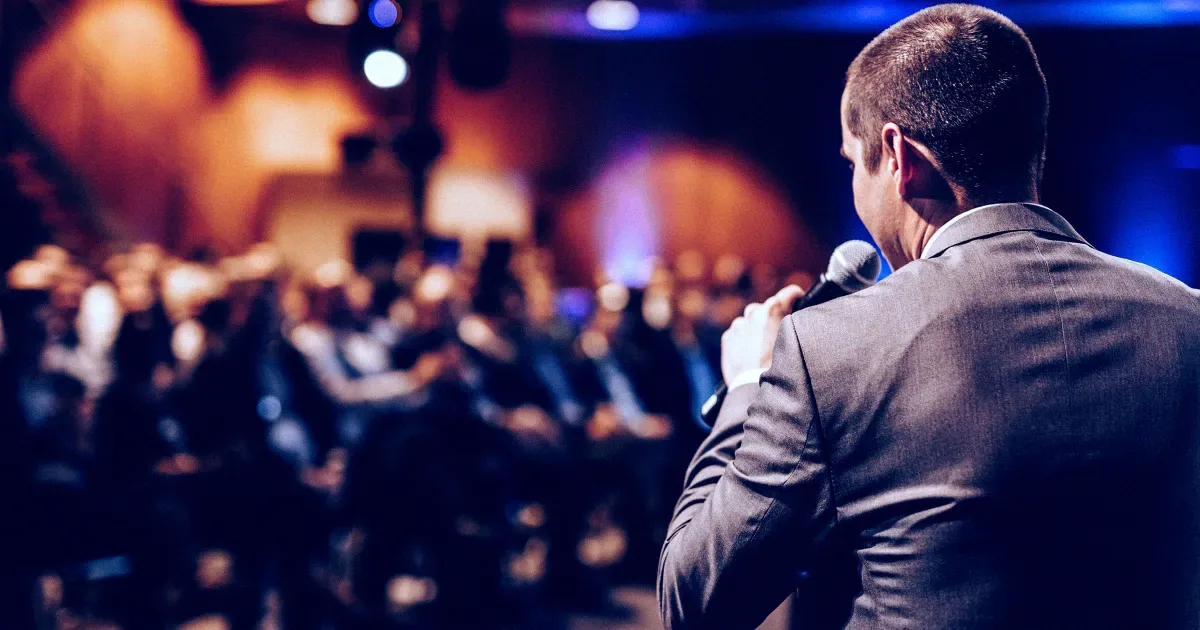
Astrophysicist and science communicator Paul Sutter recently recounted a mortifying experience where an AI-assisted coding project for his galaxy void-spotting algorithm contained fundamental errors, which he discovered mid-presentation. Sutter was unveiling a significant update to his work, designed to identify empty regions between galaxies, which was reportedly ten times faster, featured more sophisticated data handling, and could manage vastly larger surveys. This advancement was partly fueled by extensive consultation with an AI for coding assistance, a process Sutter termed "vibe coding," which he found indispensable.
However, about ten minutes into his presentation to colleagues, a collaborator pointed out that something seemed amiss. Sutter admitted the algorithm's handling of survey edges was fundamentally flawed. "It wasn’t a typo, and it wasn’t a missing citation or a factor of two," he explained in an article for Nautilus. "It was subtle, but it was very wrong, and everything downstream of it was also wrong, and I had shared the whole thing in a room full of people who trusted me." This incident underscores a broader concern within academia and research: the uncritical adoption of AI tools can lead to the dissemination of misinformation.
The Perils of Algorithmic Hallucinations
The scientific community has grappled with a surge of poorly researched and unedited outputs from generative AI. Sutter's story serves as a stark illustration of how researchers, even those in highly specialized fields, can fall prey to the convincing yet erroneous nature of AI-generated content. The AI coding tool he employed, despite sounding knowledgeable, was essentially a sophisticated next-word predictor. "An LLM's fluency is not an accident, and it is not an emergent mystery," Sutter wrote. "It’s a trait we bred, the way we bred wolves into dogs that watch our faces when we open the treat bag."
This reliance on AI, often dubbed AI coding, poses a significant challenge. "So how do we deploy a tool that is sometimes wrong but always pleasing? How do we trust AI?" Sutter pondered. He concluded that the answer is to approach AI with profound skepticism, likening the current era of AI deployment to alchemy. "We are now in the pre-chemistry era of AI," he declared. "The crucible is closed, and like the alchemists we are not going to stop using it." To mitigate these risks, Sutter advocates for rigorous scrutiny of AI's reasoning process and auditing every output.
Following his embarrassing February presentation, Sutter committed to a new workflow. He now "works differently" and is prepared to "immediately distrust" any AI output. This personal experience has reinforced the need for caution, even for brilliant minds tempted by the perceived efficiency of artificial intelligence. The tale is a potent reminder that even cutting-edge scientific endeavors can be derailed by unchecked AI assistance. Ironically, an AI detection tool later flagged Sutter's own Nautilus article about this experience as potentially AI-generated, a testament to the pervasive and sometimes deceptive nature of the technology.