
YouTube Labels AI-Generated Music to Boost Listener Transparency
YouTube is now labeling AI-generated music on its platform to provide listeners with transparency regarding content origins. This move addresses growing concerns about AI's role in music creation.

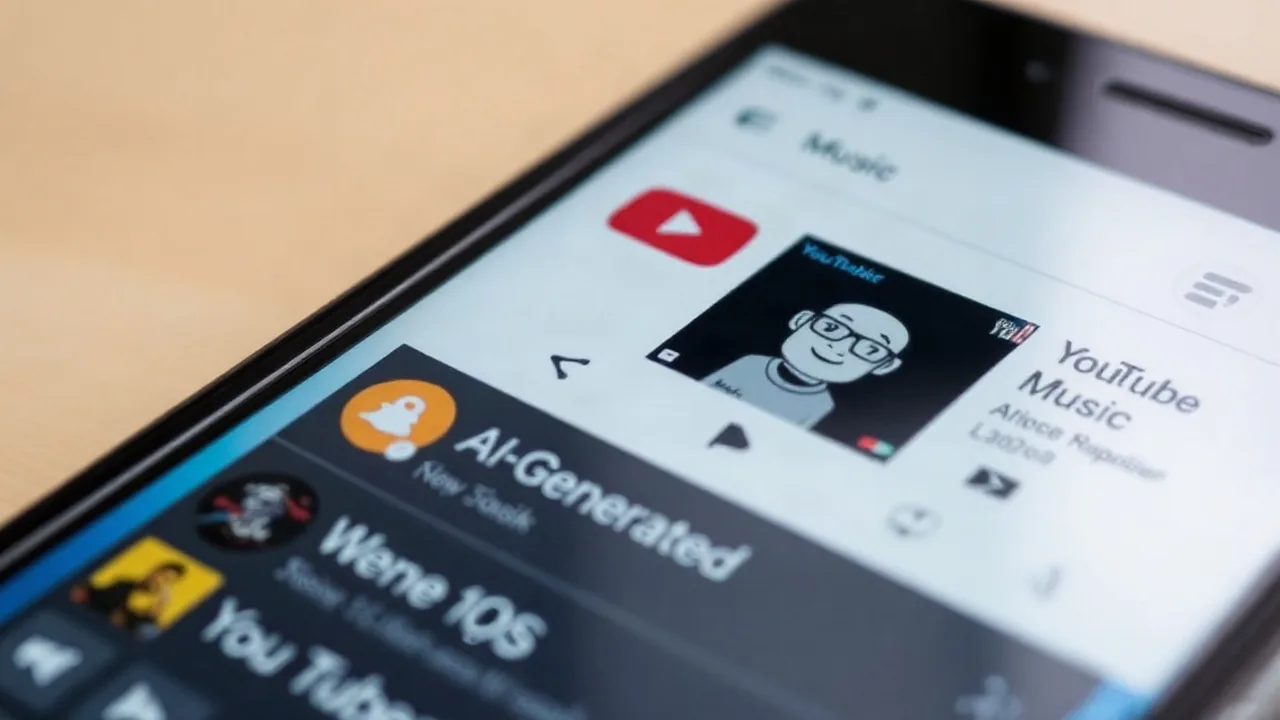
YouTube is implementing new labels across its platforms to identify music generated or significantly altered by artificial intelligence. The move, announced on October 15, 2026, aims to provide greater transparency to listeners as AI-generated content becomes more prevalent in the music industry. The updated system will alert users when a song has been produced with the help of AI, distinguishing it from human-created tracks.
The decision comes after a period of increasing discussion and concern within the music community and among consumers about the ethical implications and the creative sourcing of music. While AI tools offer new avenues for musical expression and production, questions have arisen about authorship, copyright, and the potential for AI to flood platforms with derivative works. YouTube stated that listeners have expressed a desire for clarity on how music is made.
AI's Growing Influence in Music Production
The integration of AI in music creation ranges from sophisticated tools that can compose entire songs to simpler applications that assist artists with specific aspects of production, such as mastering or generating background elements. Platforms like YouTube, which host vast amounts of music, face the challenge of categorizing and presenting this content responsibly. This new labeling system is designed to help navigate this complex landscape. For instance, a song where AI composed the melody and lyrics would receive a different designation than a track where AI was used solely for audio engineering tasks.
Under the new policy, artists and labels will be required to disclose when their music has been produced with AI. This disclosure process will involve a simple opt-in mechanism where creators check a box confirming the AI's involvement. If an artist does not make the declaration, YouTube's systems will automatically flag tracks that show strong indicators of AI generation. This automated detection is intended to catch any unintentional omissions or deliberate attempts to obscure the AI's role. The platform's commitment to transparency is a key driver behind this initiative, ensuring users can make informed choices about the content they consume.
This development is part of a broader trend in the digital content world where platforms are grappling with the rise of artificial intelligence. Similar discussions are occurring across industries, from visual art to writing, regarding authenticity and the impact of AI on creative professions. YouTube's stance suggests a proactive approach to managing AI's integration, aiming to foster trust with its user base while also supporting the evolution of music creation technologies. The company emphasized that the goal is not to stifle innovation but to ensure responsible deployment.
While the exact technical criteria for AI detection remain proprietary, YouTube has indicated that the system is designed to identify music where AI has played a 'significant' role in the creative process. This could include AI-generated melodies, lyrics, or vocal performances. The platform also noted that this is an ongoing effort, and the detection methods will continue to evolve as AI technology advances. Listeners will see the new labels appear directly on song pages, providing a clear visual cue.
Industry experts suggest that such labeling could have significant implications for how music is consumed and valued. For consumers, it offers a way to connect with music based on its perceived authenticity or the novel use of technology. For artists, it provides a framework for transparency and potentially new ways to market their work, highlighting either their human artistry or their innovative use of AI tools. Competitors like Deezer have also been exploring similar AI music controls, indicating a growing industry consensus on the need for clarity.
The implications for copyright and royalties are also being closely watched. As AI-generated music becomes more sophisticated, legal and ethical frameworks surrounding ownership and compensation will likely need to adapt. YouTube's initiative to label these tracks is a step towards establishing clearer distinctions, which could influence future debates and regulations in the music industry concerning the rights and responsibilities associated with AI-assisted or AI-created works. The company plans to roll out these labels globally throughout the remainder of 2026.