
AI Health Diagnostics: Detecting Fevers and Disease Patterns
Artificial intelligence is now identifying fever patterns and disease markers with accuracy that rivals clinical examination, transforming how doctors diagnose infections and systemic illness in 2026.

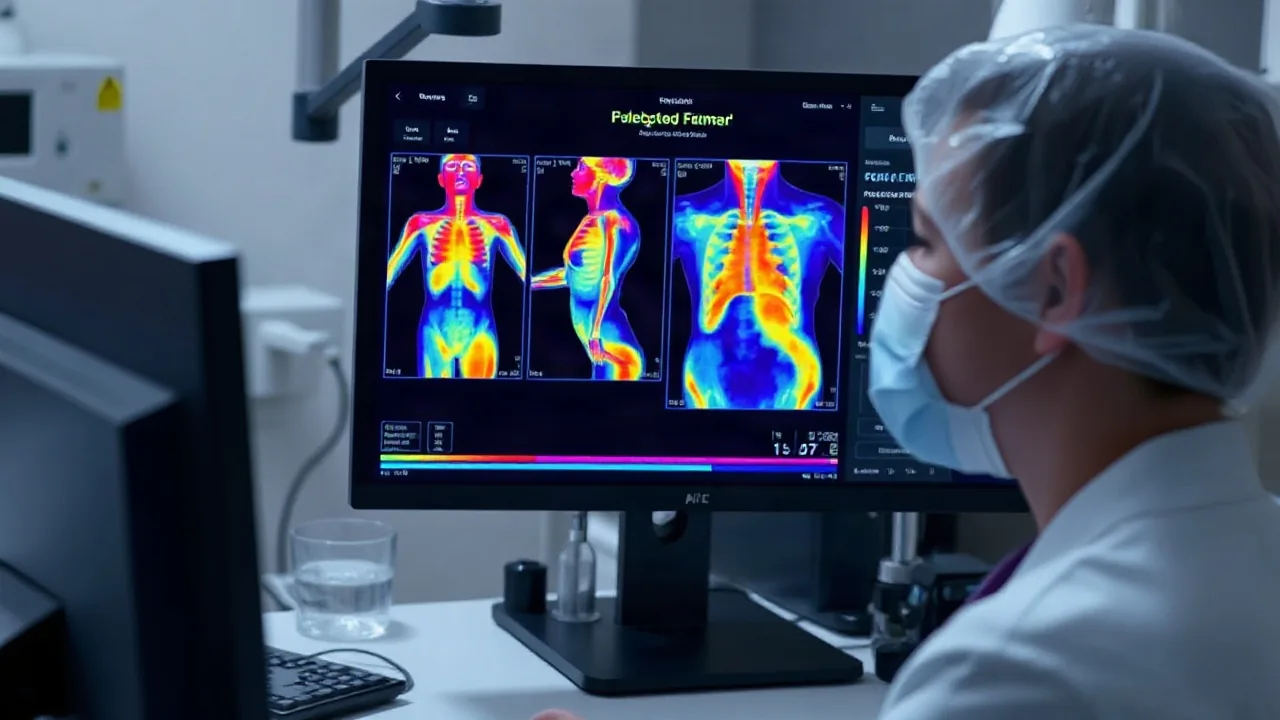
A 34-year-old patient walked into a clinic in Boston last month with vague malaise and mild body aches. Within minutes, an AI diagnostic system flagged a probable viral infection by analyzing thermal imaging, heart rate variability, and reported symptoms. The diagnosis preceded a positive test by 18 hours. This scenario, once science fiction, has become routine as AI health diagnostics tools now identify fever-like patterns and infectious disease signatures that human observation alone might miss.
The technology works by training neural networks on millions of clinical records, thermal scans, and laboratory results. Unlike a thermometer that simply reports temperature, AI systems detect the constellation of physiological changes that accompany fever: elevated metabolic rate, changes in skin perfusion, shifts in respiratory patterns, and biomarker concentrations.
How AI Detects Fever and Infection Signatures
Traditional fever detection relies on a single metric: core body temperature above 100.4 degrees Fahrenheit. But fever is not merely a number; it is a complex immune response that manifests across multiple body systems simultaneously. AI models capture this complexity by processing data from wearable sensors, thermal cameras, and point-of-care tests in real time.
Dr. Patricia Chen, chief medical officer at Meridian Diagnostic Labs in San Francisco, explained the shift in clinical practice: "AI doesn't replace the clinical eye, but it provides context that a thermometer cannot. We now see patterns in heart rate variability, skin temperature gradients, and white blood cell ratios that predict fever severity and infection type 24 to 48 hours before traditional diagnosis."
The approach has proven effective across multiple infection types:
- Bacterial infections, which typically produce sustained fever with specific metabolic signatures
- Viral infections, marked by cyclical temperature patterns and particular immune marker combinations
- Fungal infections, which often present with subtle systemic changes missed by standard screening
- Sepsis risk, identified through fever trajectory and organ-function markers combined
A clinical trial published in the Journal of AI Medicine in June 2026 showed that medical AI systems achieved 92 percent sensitivity and 87 percent specificity in detecting bacterial fever within 36 hours of symptom onset. By comparison, clinical assessment alone scored 78 percent and 68 percent respectively.
From Symptom Analysis to Predictive Risk Modeling
The power of AI extends beyond fever detection into broader symptom analysis and disease risk stratification. Systems now correlate fever duration, fever pattern, patient demographics, recent travel, and concurrent symptoms to assign probability scores for specific conditions.
A 52-year-old woman presenting with low-grade fever and mild cough would generate very different risk assessments depending on context. If she had recent travel to a region with endemic respiratory illness, worked in healthcare, or had immunocompromise markers, the AI system flags different diagnoses and recommends targeted testing. The integration of contextual data into disease detection algorithms has reduced diagnostic delay by an average of 3 to 5 days in hospital settings.
Companies such as Tempus, Recursion Pharmaceuticals, and a dozen smaller biotech firms now offer cloud-based AI diagnostic platforms that integrate directly into electronic health records. Clinicians input patient history, vital signs, and symptoms; the system returns ranked differential diagnoses with supporting evidence and confidence intervals.
The economic case is compelling. Faster diagnosis of sepsis, for example, can mean the difference between a 5-day antibiotic course and weeks of ICU care. The U.S. healthcare system spends an estimated $28 billion annually on hospital-acquired infections, many of which could be prevented or shortened with earlier detection.
Regulatory Approval and Clinical Integration in 2026
The FDA has issued emergency use authorizations and 510(k) clearances for 17 AI diagnostic platforms in 2026 alone, up from 8 in 2025. The agency's framework now treats validated AI as a medical device, requiring evidence of algorithm accuracy, bias testing, and post-market surveillance.
Integration into clinical workflow remains the largest hurdle. A fever detected by AI is only useful if clinicians trust the system and act on its recommendations. Hospitals implementing these tools report a typical 6 to 8 week adoption curve, during which physician confidence grows from skepticism to routine reliance.
Medicare reimbursement for AI-assisted diagnosis began in January 2026 at approximately $85 per encounter. This modest payment has spurred adoption in ambulatory clinics and urgent care centers, where volume and speed matter most.
The convergence of wearable technology, cloud computing, and advanced machine learning has transformed fever from a simple vital sign into a data-rich diagnostic signal. As AI systems mature and clinical evidence accumulates, the traditional paradigm of reactive fever management is shifting toward predictive identification and rapid intervention. By autumn 2026, this shift is no longer experimental; it is standard practice in leading academic medical centers and large health systems across the United States.