
FDA Chlorthalidone Recall Exposes Drug Testing Gaps
The FDA's recent chlorthalidone recall highlights critical failures in dissolution testing standards, prompting urgent reforms across pharmaceutical manufacturing and quality control procedures.

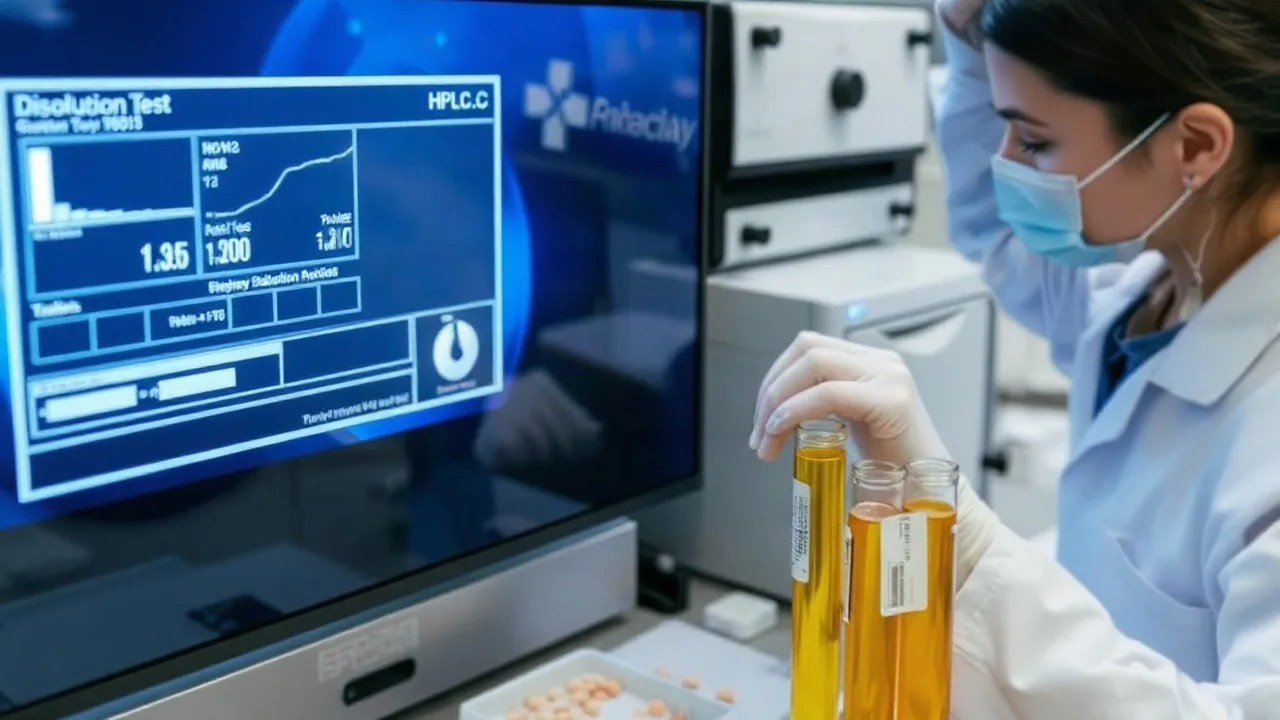
The U.S. Food and Drug Administration announced a significant recall of chlorthalidone tablets in September 2026 after discovering that multiple manufacturers failed to meet dissolution testing requirements, a fundamental quality assurance measure that ensures medications release active ingredients properly in the body. The recall affects batches from at least three major pharmaceutical suppliers and has raised red flags about how thoroughly the FDA monitors manufacturing compliance during routine inspections.
Chlorthalidone, a thiazide-class diuretic prescribed to millions of Americans for hypertension management, should dissolve within specified timeframes to deliver consistent therapeutic benefit. When dissolution testing falls short, patients may receive subtherapeutic doses or experience unpredictable drug absorption, compromising treatment efficacy.
"This recall demonstrates that even established manufacturers can experience lapses in quality control that slip past initial inspections," said Dr. Margaret Chen, senior regulatory affairs consultant at the Pharmaceutical Quality Institute in Washington, D.C. "The industry must recalibrate its testing protocols and invest in real-time monitoring systems."
What Dissolution Testing Reveals
Dissolution testing measures the rate at which a solid drug formulation breaks down and releases its active pharmaceutical ingredient in simulated gastric and intestinal fluids. The United States Pharmacopeia (USP) sets specific acceptance criteria for each medication, and manufacturers must document consistent results across multiple batches before market release.
The chlorthalidone batches in question showed dissolution profiles outside USP limits, meaning tablets either released the drug too slowly or exhibited erratic dissolution patterns. This variability poses particular risk for elderly patients and those taking concurrent medications, where consistent blood pressure control is critical.
Manufacturers typically rely on automated high-performance liquid chromatography (HPLC) equipment to measure dissolution. However, instrument drift, improper calibration, and inadequate staff training can produce false-positive results that mask real defects. The recalled batches suggest at least one supplier's quality assurance department either missed warning signs or documented data incorrectly.
Systemic Failures and Regulatory Response
The FDA's investigation uncovered that dissolution testing was conducted in only select batches rather than as part of routine lot-release procedures, a gap that allowed substandard material to reach pharmacy shelves. This practice violates current good manufacturing practice (CGMP) guidelines, which require every batch to undergo quality verification before distribution.
The agency has issued warning letters to the implicated manufacturers and announced plans to increase inspection frequency for pharmaceutical testing facilities nationwide. Additionally, the FDA is working with the USP to review dissolution acceptance criteria for older diuretic formulations, many of which use legacy manufacturing processes.
"We are committed to strengthening our inspection protocols and holding manufacturers accountable," stated a spokesperson for the FDA's Center for Drug Evaluation and Research. The agency has allocated additional resources for 2026 and early 2027 to conduct unannounced inspections at facilities that manufacture controlled and cardiovascular medications.
- Enhanced dissolution testing at 100% batch level (rather than statistical sampling)
- Real-time data integrity audits to detect anomalies during manufacturing
- Third-party lab verification of dissolution results for high-volume products
- Quarterly retraining of quality assurance personnel on USP methodologies
Implications for Biotech and Drug Safety Standards
The chlorthalidone recall has accelerated industry adoption of advanced analytical technologies. Several major pharmaceutical firms are piloting AI-driven quality control systems that analyze dissolution curves in real time and flag anomalies before they reach the batch-release stage. These tools integrate data from multiple analytical platforms, reducing the risk of human error or deliberate falsification.
The incident also highlights broader concerns about drug recall preparedness. The FDA identified approximately 18 million tablets of chlorthalidone that had already been dispensed to patients and consumers in 43 states. Pharmacies and hospitals scrambled to contact patients, some of whom experienced blood pressure spikes when they switched to replacement batches from verified suppliers.
Patient advocacy groups have called for faster recall communication mechanisms and clearer labeling that displays dissolution test dates on packaging. "Patients deserve transparency about when their medication was tested and by whom," said James Rodriguez, director of the Cardiovascular Patients Coalition. "Right now, most people have no idea whether their batch met quality standards."
The biotech sector is watching closely, as many companies developing novel formulations use contract manufacturing organizations (CMOs) that also handle traditional drugs like chlorthalidone. The recall has sparked renewed interest in vertical integration, where manufacturers consolidate quality control and manufacturing under one roof to reduce outsourcing risks.
Regulatory experts anticipate that this recall will reshape how the FDA evaluates CMO compliance. The agency is developing a risk-based inspection model that assigns higher scrutiny to facilities handling multiple drug classes and serving numerous pharmaceutical sponsors, a common source of cross-contamination and procedural inconsistency.
For consumers, the immediate concern is verifying that replacement prescriptions come from compliant batches. Patients should check with their pharmacist to confirm that refills are sourced from manufacturers not implicated in the recall. The FDA maintains an updated list of recalled lot numbers on its website, and healthcare providers have been instructed to review patient records for affected batches.
Long-term, this event underscores the importance of sustained investment in health safety infrastructure. As pharmaceutical manufacturing becomes increasingly complex and globalized, regulators and industry must align on standardized testing protocols that leave no room for complacency.