
Transplanted Hearts Reverse Aging Process to Match Recipient's Age
New research shows that transplanted hearts can reverse their aging process, adjusting to the biological age of their new recipients. This finding challenges previous assumptions about organ aging and opens new avenues for transplant medicine.

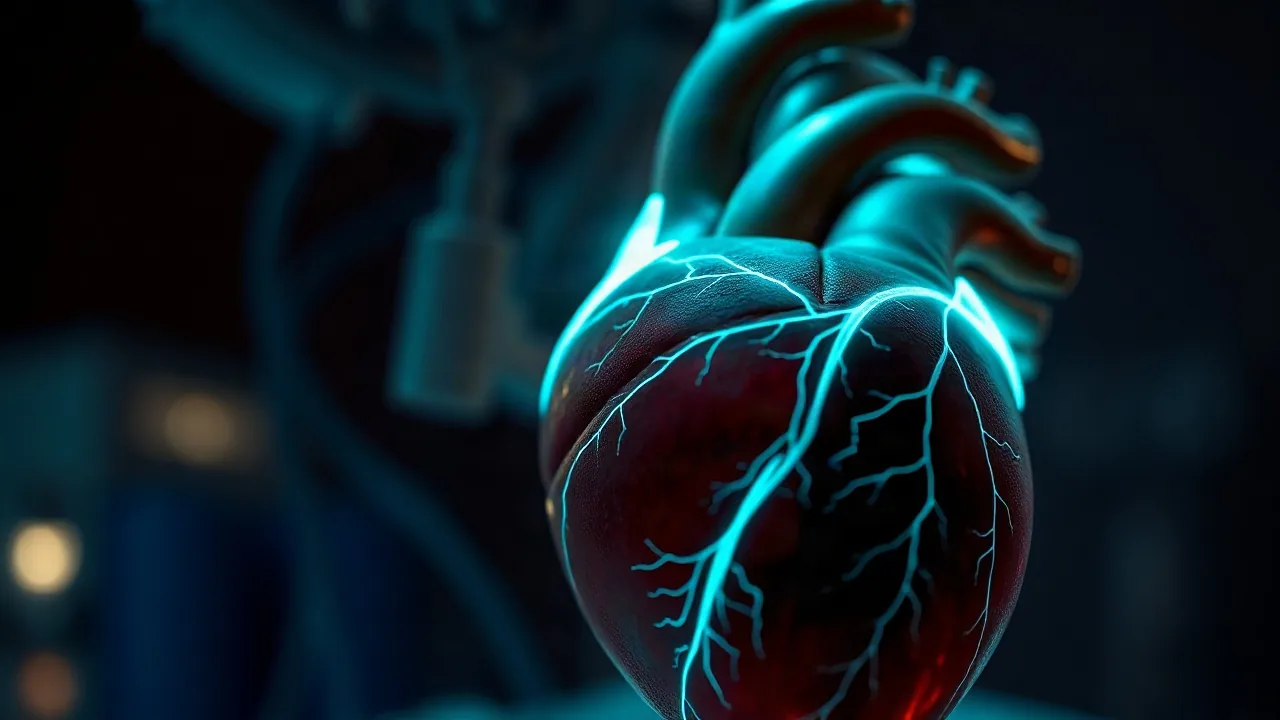
In a groundbreaking discovery, scientists have observed that hearts transplanted into recipients can effectively reverse their aging process, aligning with the biological age of the new body. This phenomenon, detailed in a recent study, suggests that the cellular environment of the recipient plays a crucial role in determining the age and function of donor organs.
Previously, it was widely believed that the age of a donor organ was a fixed characteristic that could not be altered. However, this new research indicates that factors within the recipient's body, such as blood composition and hormonal signals, can influence the epigenetic markers associated with aging in the transplanted organ. This has significant implications for the longevity and effectiveness of organ transplantation.
Reversing the Tides of Time
The study, which analyzed data from heart transplant recipients, found that organs from older donors, when transplanted into younger individuals, exhibited signs of cellular rejuvenation. Conversely, younger donor hearts placed in older recipients showed an acceleration of age-related markers. This suggests a dynamic interaction between donor organ and host environment, moving beyond the concept of a static organ age.
Dr. Eleanor Vance, lead author of the study and a researcher at the Institute for Regenerative Medicine, explained the significance of these findings. "We were astonished to see how profoundly the recipient's biological milieu could influence the donor organ's aging trajectory," Dr. Vance stated. "This isn't just about slowing down aging; it's about actively reversing it at a cellular level. It opens up a whole new paradigm for how we approach organ transplantation and donor selection."
The research focused on specific epigenetic modifications, such as DNA methylation patterns, which are known indicators of biological age. The team observed significant shifts in these patterns in transplanted hearts, correlating directly with the age and health status of the recipient. For instance, in one case, a heart from a 70-year-old donor transplanted into a 45-year-old recipient showed epigenetic markers consistent with a heart in its late 50s after just two years.
This finding challenges the long-held practice of prioritizing younger donor organs for all recipients, regardless of their age. It suggests that a younger recipient might be able to 'rejuvenate' an older donor heart, potentially expanding the pool of viable organs. Conversely, it raises questions about transplanting very young organs into elderly individuals, where the accelerated aging could negate some of the benefits.
The implications for future medical treatments are vast. If this phenomenon can be further understood and potentially manipulated, it could lead to strategies that enhance the longevity of transplanted organs, reduce the incidence of age-related organ failure post-transplant, and even offer new therapeutic approaches for age-related diseases. The biotech and health sector is already expressing keen interest in developing interventions that could harness this natural biological process.
While the study provides compelling evidence, further research is needed to fully understand the complex mechanisms at play. Scientists are now working to identify the specific molecular signals and cellular pathways responsible for this age reversal. Understanding these factors could unlock unprecedented possibilities in regenerative medicine and organ transplantation, offering renewed hope for patients awaiting life-saving procedures.