
Metabolism-First Theory Explores How Energy Sparked Early Life
Scientists study the metabolism-first theory, investigating whether self-sustaining chemical reaction cycles sparked life before genes and cells formed.

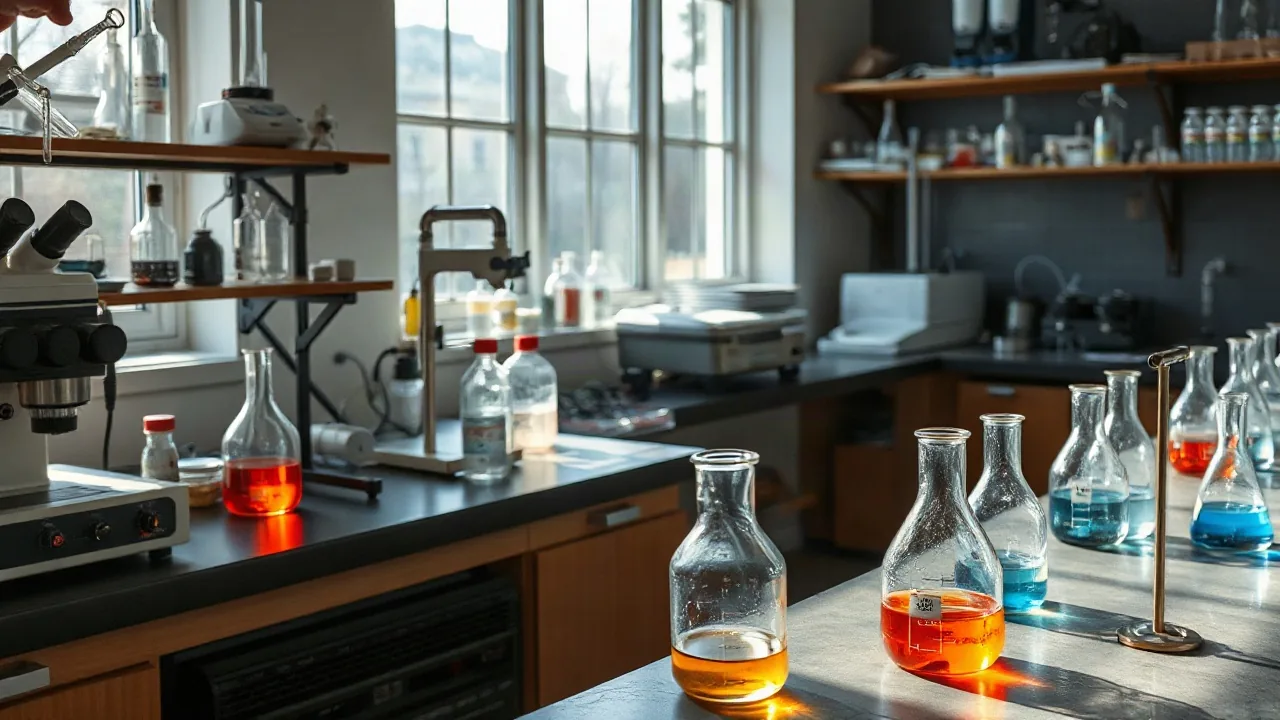
For well over 4 billion years, the fire of metabolism has powered the engines of life, driving the complex chemical networks that sustain living things. Some researchers argue that life's first glimmers were found in self-sustaining cycles of simple molecules, existing long before genes or cells emerged. According to this concept, larger and more complex molecules necessary for cellular life could not have been produced without a self-sustaining reaction to provide energy.
“It synthesizes genes that contain the information to produce the catalysts that keep this reaction going, and those catalysts have changed over time,” said William Martin, an evolutionary biologist at Heinrich Heine University Düsseldorf in Germany.
From Geochemistry to Living Biochemistry
The hypothesis that nonliving geochemistry could trigger living biochemistry has decades of history. In 1968, American biophysicist Harold Morowitz proposed that energy flowing through a system organizes it, applying this idea to a proto-metabolism. Later, in the late 1980s and early 1990s, chemist Günter Wächtershäuser proposed an iron-sulfur world where hydrothermal vents could catalyze reactions like the acetyl-CoA pathway.
To test these mechanisms, researchers have recreated vent conditions in laboratories. In 2020, a team demonstrated that carbon dioxide, hydrogen, and vent minerals like nickel and iron could combine to create formate, acetate, and pyruvate. These compounds form the spine of the acetyl-CoA pathway, according to Martina Preiner, a biochemist at the Max Planck Institute for Terrestrial Microbiology in Germany.
The findings “show that it’s possible to start these reactions before you have anything else,” Preiner said, including RNA or proteins.
However, alternate theories exist. Also in 2020, Ramanarayanan Krishnamurthy, an organic chemist at Scripps Research in California, and colleagues showed that pyruvate and glyoxylate could react to form components of the reverse citric acid cycle in tepid pools without metal catalysts. Moving forward, researchers still need to establish how early metabolic reactions connected with genetic information and survived inside cell membranes.
“How best can we mix them together so that we don’t get a complete mess that we can’t analyze?” Krishnamurthy said. “That is the challenge.”