
Gut Muscle Contractions May Help 'Flush' Brain Waste, Study Finds
New research suggests that the contractions of gut muscles during movement may play a role in clearing waste materials from the brain. This hydraulic system connects abdominal muscle tension to cerebral fluid movement.

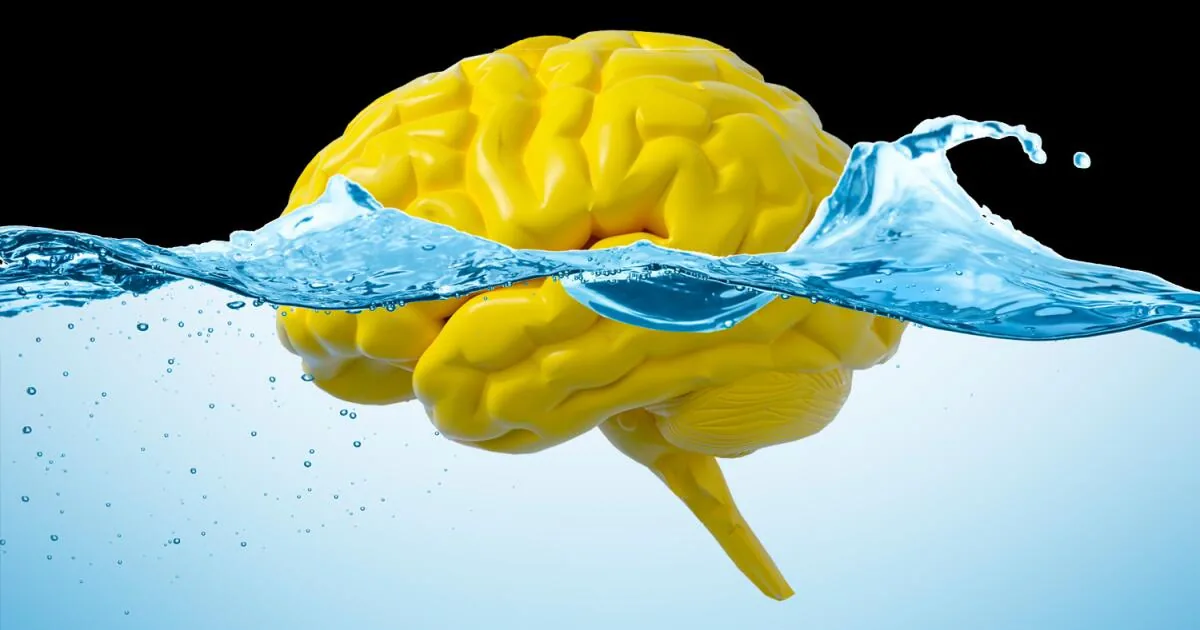
New research, published in Nature Neuroscience on April 27, has revealed a surprising connection between the body's core muscles and brain health. Scientists have discovered that the subtle tightening of abdominal muscles during walking may actually help to clear waste material from the brain, a process likened to a hydraulic system.
For years, scientists have observed that the brain, housed within the skull, exhibits a gentle internal motion. However, the exact forces driving this movement remained unclear until now. Dr. Patrick Drew, a neuroscientist at Penn State University and associate director of the Huck Institutes of the Life Sciences, led a team that employed advanced imaging techniques to study this phenomenon in mice. Their observations showed that the brain's movement occurred milliseconds before a mouse initiated a step, coinciding with the contraction of abdominal muscles in preparation for locomotion.
To further investigate this link, the researchers placed pressure sensors on the abdomens of lightly anesthetized mice. When slight pressure was applied specifically to the abdominal muscles, the same brain motion was observed. Crucially, neither breathing nor cardiac activity produced this effect, isolating the abdominal muscles as the key driver.
The study identified the vertebral venous plexus, a network of veins connecting the abdomen to the spine in both mice and humans, as the critical link in this process. "It's like a hydraulic system. It really is very much like the jacks that push your car up, or something that an excavator might have," Dr. Drew explained. "Whenever you tense those muscles, which you do whenever you make a movement ... that pushes blood into the spinal cord, it increases the pressure on your brain, and it moves your brain forward."
Clearing Waste and Understanding Brain Mechanics
This discovery not only answers a long-standing question about the mechanics of cerebral movement but also proposes a functional role for this belly-brain choreography. By running computer simulations of fluid dynamics within and around the mouse brain, Dr. Drew and his colleagues observed that the fluid motion generated by walking contractions could potentially expel cerebrospinal fluid from the brain.
This observation led Dr. Drew to hypothesize that the mechanism plays a significant role in flushing out protein waste and other unnecessary byproducts from the brain. "It's more speculative, but using simulations, we can see that this sort of motion should drive fluid movement and could help clear waste in the brain," he stated. This waste removal process is critical for neuronal health and function.
The findings shed light on the fundamental mechanical principles governing the brain and its interaction with physical activity. Michael Goard, an associate professor at UC Santa Barbara who specializes in sensory and spatial processing, commented that these findings clarify the relationship between the brain and physical movement, offering insights applicable to broader research areas. Future studies planned by Dr. Drew's team aim to explore whether the brain itself can detect these mechanical signals and how physiological conditions, such as obesity, might influence the hydraulic relationship between abdominal muscles and the brain. Understanding this connection could have implications for various neurological conditions and aging.