
Android Car Head Units Hacked: Proxy Botnet Malware Threat
Security researchers have uncovered a proxy botnet malware targeting Android-based car infotainment systems, exposing drivers to data theft and vehicle control risks. The discovery highlights critical vulnerabilities in automotive cybersecurity.

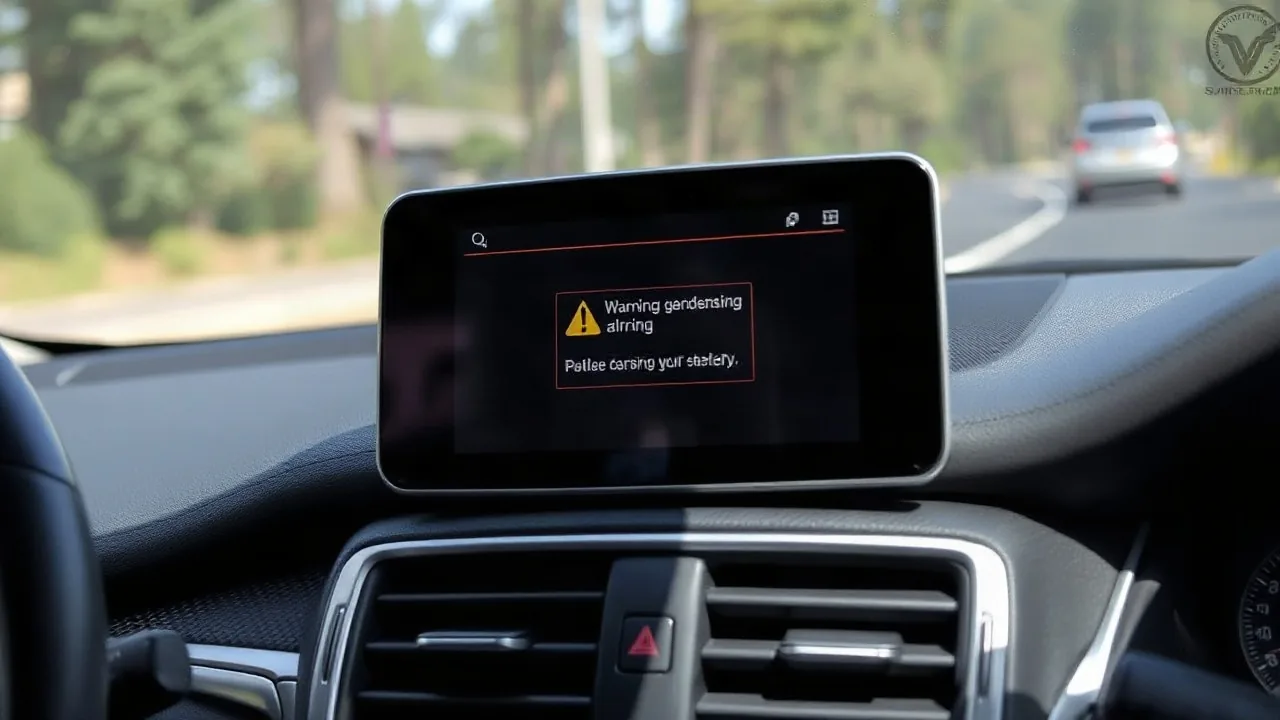
Cybersecurity researchers at Trend Micro disclosed in early September 2026 that Android car head units have become targets for a sophisticated proxy botnet malware campaign. The attack leverages compromised vehicle infotainment systems to route malicious traffic and harvest driver data without user awareness, marking a significant escalation in automotive hacking tactics.
The botnet operates by injecting proxy code into popular Android-based car entertainment units, transforming vehicles into unwilling network nodes. Affected drivers may experience slower internet connectivity, battery drain, and potential exposure of location data tied to navigation and streaming services.
"This campaign demonstrates that car head units are now attractive targets because they run outdated Android versions with minimal patching cycles," said Dr. Marcus Chen, principal threat researcher at Trend Micro, in a statement to industry outlets on September 4, 2026. "Manufacturers often treat these systems as isolated, but they connect directly to cellular networks and user accounts."
How the Attack Works
The proxy botnet operates through a multi-stage infection chain. Initial compromise typically occurs when a driver connects a compromised smartphone or USB device to the vehicle's infotainment system, or through malicious software bundled in third-party apps available on Android app stores.
Once installed, the malware establishes a command-and-control connection and begins redirecting network traffic through the compromised head unit. This allows attackers to:
- Intercept and monitor driver communications and location data
- Inject advertisements or phishing pages into in-vehicle displays
- Use the vehicle as a proxy server for distributed denial-of-service attacks
- Collect credentials for connected services like music streaming and navigation apps
- Monitor vehicle diagnostics and telematics data
The botnet infrastructure uses encrypted peer-to-peer communication to avoid detection by vehicle manufacturers and mobile carriers. Researchers identified over 2,800 compromised head units communicating with the same command infrastructure across North America as of mid-September 2026.
Vulnerable Vehicle Models and Systems
The attack primarily targets Android Automotive OS devices and aftermarket head units running Android 9 and 10, which contain known vulnerabilities that manufacturers have not backported. Popular target systems include:
- Sony XAV-AX8100 and similar aftermarket units
- Devices running custom Android forks without security updates since 2024
- Budget-tier OEM infotainment systems in vehicles from 2020-2023
- Aftermarket units sold on e-commerce platforms without manufacturer support
Major automakers including General Motors, Ford, and Hyundai acknowledged in statements that their car cybersecurity teams are investigating whether their proprietary systems faced similar risks. None reported active infections in their fleets as of September 6, 2026, though they urged owners of Android-based aftermarket units to update firmware immediately.
Privacy and Driver Safety Implications
The discovery raises urgent questions about driver privacy in connected vehicles. Data harvested from compromised head units includes real-time GPS location, calendar entries, contact lists, and authentication tokens for cloud services. Attackers can also monitor which radio stations, podcasts, and voice commands drivers use, building detailed behavioral profiles.
Beyond privacy, the proxy botnet malware creates liability risks. Vehicles enrolled in the botnet could inadvertently participate in large-scale cyberattacks against critical infrastructure, hospitals, or financial institutions, exposing drivers to legal liability if law enforcement traces attack traffic to their registered vehicle.
Security firm Kaspersky issued an advisory stating that occupants in compromised vehicles may also experience denial-of-service attacks on their own data, with attackers flooding the head unit's network pipe to disable navigation or emergency communication features during critical moments.
The National Highway Traffic Safety Administration (NHTSA) has not yet issued a formal recall but indicated on September 5, 2026, that it is coordinating with affected manufacturers to determine whether the malware poses direct risks to vehicle safety systems or is limited to infotainment isolation.
Mitigation and Protection Steps
Manufacturers and researchers recommend several immediate actions for vehicle owners and fleet operators. First, owners of Android aftermarket head units should check for firmware updates on the device manufacturer's website and apply them as soon as available. Second, disable automatic app installation and restrict app permissions in head unit settings to block malware from gaining elevated access.
Third, drivers should avoid connecting personal devices to the infotainment system unless the devices have been scanned for malware using reputable antivirus software. Fourth, fleet operators managing commercial vehicles should implement mobile device management (MDM) policies to enforce security standards on connected devices.
Apple CarPlay and Android Automotive systems maintained by Google have native security sandboxing that reduces this particular botnet's effectiveness, making them safer alternatives to aftermarket units for drivers concerned about vehicle security. However, even integrated systems require regular updates from vehicle manufacturers, which remain inconsistent across the industry.
As of September 6, 2026, Trend Micro has released free detection tools and published indicators of compromise that security teams and vehicle manufacturers can use to identify and isolate infected devices on their networks. The research also prompted calls from the Automotive Industry Action Group for standardized security update policies across all head unit manufacturers by mid-2027.