
Apple Alerts 110 Countries to Mercenary Spyware Threat
Apple has warned users in 110 countries of potential mercenary spyware attacks, sending threat notifications to individuals suspected of being targeted. The company urges recipients to take the threat seriously and update their devices.

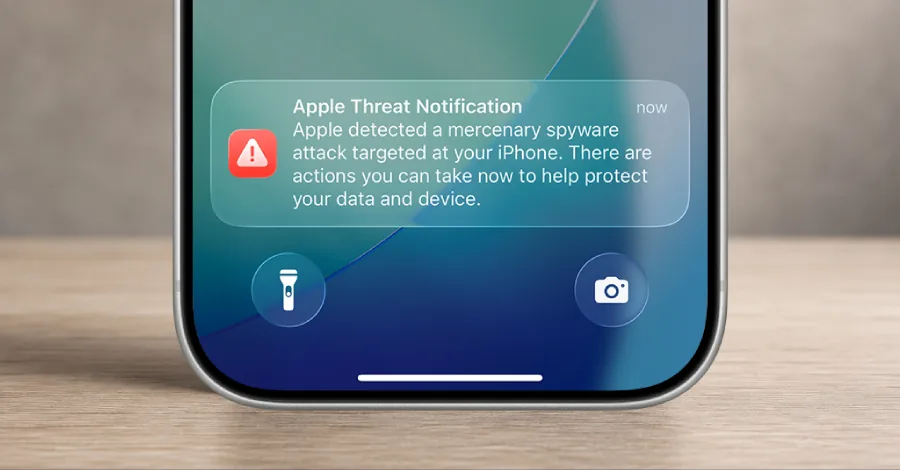
Apple has issued a fresh wave of alerts to customers in 110 countries, warning them that they may be targets of sophisticated mercenary spyware attacks. The iPhone maker confirmed the notifications were sent to an undisclosed number of users, adding to the over 150 countries that have received such warnings to date. Apple first began sending these threat notifications to users in late 2021, highlighting the persistent and advanced nature of these digital assaults.
"The extreme cost, sophistication, and worldwide nature of mercenary spyware attacks make them some of the most advanced digital threats in existence today," Apple stated in a release. The tech giant did not attribute the current attacks to any specific actors or regions, emphasizing the global reach and high-level resources involved. These notifications are typically reserved for individuals identified as potential targets due to their profession or activities, often including journalists, activists, politicians, and diplomats. The attacks are distinct from common cybercrime, requiring significant investment from spyware vendors to develop exploits capable of compromising specific devices for surveillance.
Advanced Digital Threats Demand Vigilance
Apple described its threat notifications as high-confidence alerts, indicating a user has been specifically singled out by a mercenary spyware operation. The company strongly advises recipients to treat these alerts with the utmost seriousness. Due to security considerations, Apple cannot disclose the exact triggers for these alerts, as revealing such information could inadvertently aid spyware attackers in refining their methods. Users can receive notifications through several channels: an alert directly on their iPhone's Lock Screen and within the Settings app, an email from "threat-notifications@email.apple.com" associated with their Apple Account, or a banner displayed on their Apple Account page after signing in at account.apple.com.
To bolster security against such advanced threats, Apple recommends several protective measures. Users should ensure their devices are updated to the latest software version. Securing devices with a passcode, Touch ID, or Face ID is crucial. Enabling two-factor authentication (2FA) for their Apple account provides an essential layer of defense. Further strengthening security, users are advised to turn on Stolen Device Protection, install applications exclusively from trusted sources like the App Store, and consider enabling Lockdown Mode for maximum protection. Additionally, users should exercise caution and refrain from opening links or attachments from unknown or suspicious senders, as these can be common vectors for spyware deployment.
The persistent threat of state-sponsored or mercenary spyware underscores the evolving landscape of digital security. These actors often possess resources that far exceed those of typical cybercriminals, allowing them to develop and deploy highly targeted and sophisticated surveillance tools. The focus on individuals in critical roles, such as journalists and activists, highlights concerns about the suppression of free speech and the potential for misuse of surveillance technology. Apple's proactive notification system, while discreet about specifics, serves as a vital warning to users who may be in the crosshairs of these advanced digital espionage campaigns.