
Cybersecurity for Sports Fans: Protecting Your Digital Game Day
Sports fans face rising phishing scams and account breaches during live events in 2026. Learn critical security steps to safeguard your tickets, payment data, and personal information.

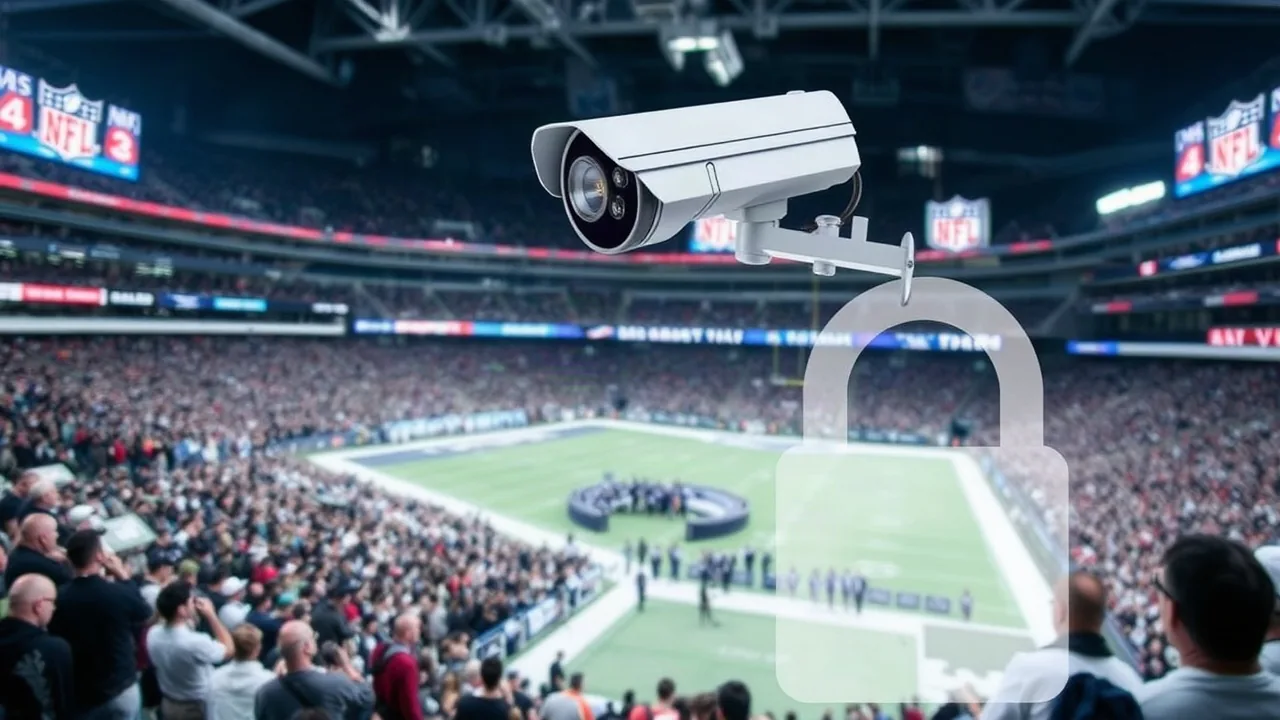
As 50,000 fans streamed into SoFi Stadium in Inglewood, California for an October 2026 NFL playoff game, cybercriminals were working offline too. Fake ticketing websites mimicked official resale platforms, fraudsters posed as vendors on social media, and credential-stuffing bots targeted compromised fan accounts across multiple streaming services. The surge in digital engagement around major sports events has created a parallel surge in targeted attacks.
Sports fans have become a prime target for cyber threats. During live events, fans rely on mobile tickets, streaming apps, payment systems, and social media to engage with their favorite teams and players. Each touchpoint represents an opportunity for attackers to steal credentials, payment information, or personal data.
"We've observed a 34 percent increase in phishing attempts tied to sports events over the past 18 months," said Marcus Chen, senior threat researcher at CyberDefense Labs, a Virginia-based security firm tracking malicious activity in October 2026. "Attackers know fans are distracted, excited, and moving quickly. They're exploiting that emotional state."
How Attackers Target Sports Fans
Cybercriminals employ several proven tactics to compromise fans during high-stakes games and events:
- Fake ticketing sites. Scammers register domains that look nearly identical to official resale platforms, redirecting fans to fake checkout pages where payment data is stolen.
- Phishing emails and texts. Messages impersonating team official channels lure fans to malicious links offering "exclusive gear" or "last-minute seat upgrades."
- Credential reuse attacks. Attackers use leaked usernames and passwords from unrelated data breaches to access team apps, streaming accounts, and fan club memberships.
- Public Wi-Fi interception. Unsecured stadium and hotel networks allow attackers to intercept unencrypted traffic from nearby devices.
- Deepfake social engineering. Fabricated videos or audio clips of players or coaches are used to manipulate fans into clicking malicious links or sharing sensitive information.
The stakes are high. Compromised accounts can lead to identity theft, financial fraud, and unauthorized access to team merchandise or ticket resale accounts where thousands of dollars may be at stake.
Essential Protection Steps for Game Day
Sports fans do not need to avoid digital engagement to stay safe. Instead, follow these concrete data protection practices before, during, and after live events.
Verify URLs and official channels. Before purchasing tickets or merchandise, confirm you are on the legitimate team or league website. Type URLs directly into your browser rather than clicking links from emails or social posts. Official NFL, NBA, MLB, and NHL sites use HTTPS encryption and verified domain names.
Use unique, strong passwords. Create a dedicated password for each streaming service, team app, and ticketing account. Use a password manager like Bitwarden or 1Password to generate and store complex passwords that attackers cannot easily guess.
Enable multi-factor authentication (MFA). Activate security risks mitigation through MFA on all accounts tied to sports activities: email, team apps, streaming platforms, and payment systems. MFA requires a second form of verification, such as a code from an authenticator app, before anyone can access your account.
Avoid public Wi-Fi for sensitive transactions. Do not purchase tickets, enter payment information, or log into accounts while connected to unsecured stadium, hotel, or coffee shop networks. Use your phone's cellular data or bring a personal mobile hotspot.
Verify sender identity before responding. If you receive an email or text about a ticket issue, contest details, or gear sales, do not click embedded links. Instead, contact the team or vendor directly using a phone number or address from their official website.
Monitor your accounts and credit. After events, review your bank and credit card statements for unauthorized charges. Sign up for free credit monitoring through services like AnnualCreditReport.com or consider paid services like Equifax or Experian monitoring, which flag suspicious activity in real time.
Why Sports Events Are Prime Hunting Ground
Attackers target sports fans during live events because the environment favors their success. Fans are excited, distracted, and moving through unfamiliar venues. They are using mobile devices on networks they may not fully trust. They are eager to buy merchandise, secure last-minute tickets, or participate in real-time interactions online.
Teams and leagues have responded by hardening their cybersecurity infrastructure. Major professional sports organizations now employ dedicated security teams, conduct regular penetration testing, and coordinate with law enforcement to track and disrupt ticket fraud rings. However, security responsibility is shared. Individual fans must remain vigilant.
"The gap between organizational security and individual user behavior is where most breaches happen," noted Chen. "A team can have world-class defenses, but if a fan uses the same password across ten accounts or opens an attachment from an unknown sender, the attacker wins."
Events in 2026 have also seen an uptick in digital privacy concerns related to biometric scanning for entry. Some stadiums now use facial recognition or fingerprint systems to speed entry and reduce fraud. Fans should understand what data these systems collect and how long it is retained. Check team privacy policies before attending events that use biometric technology.
The future of fan security will likely combine improved stadium infrastructure, stronger authentication systems, and higher consumer awareness. For now, fans who adopt these protective steps can enjoy their favorite sports without exposing their data, accounts, or finances to unnecessary risk.