
DOJ Fallout: James Comey Prosecution and Security Implications
The Justice Department faces renewed scrutiny over the James Comey prosecution and its broader impact on federal law enforcement protocols and national security procedures.

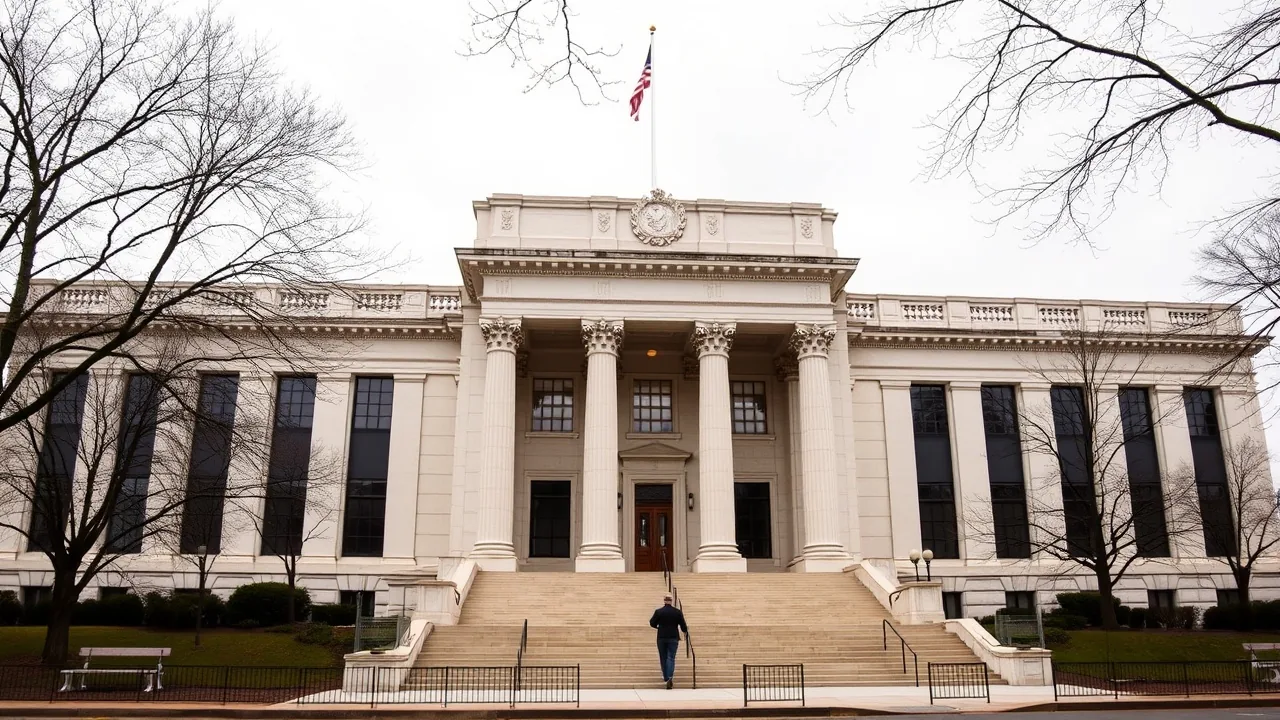
The U.S. Department of Justice confronts significant institutional pressure following developments in the James Comey case, which has prompted lawmakers and security experts to question long-standing protocols governing classified information handling and prosecutorial discretion at the federal level.
Comey, the former FBI director who served under both the Obama and Trump administrations, faced legal proceedings stemming from his handling of classified documents after his departure from the bureau in 2017. The case has opened a window into how the Justice Department enforces its own rules and whether similar standards apply uniformly across ranks.
"The Comey prosecution raises fundamental questions about prosecutorial consistency and the application of national security law," said Michael Stern, a former federal prosecutor now at Georgetown Law Center, in an interview this week. "When senior officials are charged differently than lower-level employees, it creates real credibility problems for the institution."
The Case and Its Legal Context
James Comey was dismissed from the FBI directorship on May 9, 2017, by President Trump. After his termination, Comey retained unclassified memos of his conversations with Trump and released them to the media through a Columbia Law School professor. The handling of these materials, along with questions about classified information, eventually triggered the prosecution.
The prosecution centered on whether Comey's actions violated federal law regarding the retention and handling of government documents. Unlike the high-profile cases involving other officials, this matter proceeded through the courts with sustained attention from both parties and the intelligence community.
Federal law imposes strict requirements on how classified materials are stored, transmitted, and disposed of. Violations can result in civil or criminal penalties depending on intent and harm. The distinction between negligence and willful misconduct remains central to how the DOJ pursues such cases.
Institutional Fallout and Protocol Changes
The Comey case has forced the DOJ fallout to extend beyond the individual prosecution. Agency leadership has begun reviewing classification protocols and clearance procedures, particularly for senior officials who handle sensitive intelligence briefings regularly.
Internal DOJ memos obtained by congressional committees indicate that the department is examining whether separate standards existed for career prosecutors versus senior executive service employees. These inquiries suggest the case exposed inconsistencies in how the Justice Department itself enforced compliance.
Career officials within the FBI and DOJ have expressed concern about morale and trust. When senior figures face prosecution for conduct that lower-level employees might receive administrative discipline for, institutional legitimacy suffers. Several anonymous FBI officials told reporters this week that the case has created uncertainty about how classification policies are enforced.
The department has also undertaken a review of how field offices coordinate with headquarters on document retention. Specifically, the FBI now requires additional documentation when senior officials retain copies of sensitive materials, even if those materials are ultimately not classified.
National Security and Intelligence Community Response
Beyond the Justice Department, the intelligence community has weighed in on how the case reflects broader national security concerns. The Office of the Director of National Intelligence issued guidance in late 2023 reinforcing classification standards for all personnel, with particular emphasis on transition periods when officials leave government.
Agency directors worry that inconsistent enforcement undermines the entire classification system. If senior officials face prosecution while junior staffers receive lesser penalties for similar conduct, the integrity of security protocols erodes. Intelligence officials have pushed for clearer, uniform standards across all agencies.
The case also raised questions about how the DOJ handles cases involving sitting or recently departed senior government officials. Congressional oversight committees have requested briefings on the criteria used to initiate prosecutions in such sensitive situations, with particular attention to political influence and impartial decision-making.
Intelligence community observers note that the Comey prosecution occurred at a time when trust in federal institutions was already strained. The case became a flashpoint for critics on both sides: some viewed it as necessary enforcement of rules, while others saw selective prosecution of a political opponent.
The Director of the FBI has since issued new guidance requiring all agents above a certain rank to complete refresher training on classified information handling. This represents a direct institutional response to perceived gaps that the Comey case exposed.
Looking Forward: Reform and Accountability
Lawmakers from both parties have introduced legislative proposals aimed at clarifying legal proceedings for classified information cases. One bipartisan bill would establish a special review process for prosecutions involving former senior officials, ensuring greater transparency and consistency in decision-making.
The Justice Department has also begun consulting with outside ethics experts and former inspectors general to develop clearer internal guidelines. These efforts signal an acknowledgment that the Comey case exposed procedural gaps requiring attention.
The broader implication is that federal agencies now operate under heightened scrutiny regarding how they apply classification and retention rules. Future cases involving classified materials will likely face more rigorous review at multiple levels, potentially slowing prosecutions but increasing public confidence in fairness.
As the DOJ continues to navigate the fallout, the balance between enforcing security rules and maintaining institutional credibility remains central. The resolution of this tension will shape how federal law enforcement handles similar cases for years to come.