
Donald Trump White House Confidentiality and Records Security
New scrutiny on classified document protocols and presidential records management raises questions about information security practices in the Trump administration.

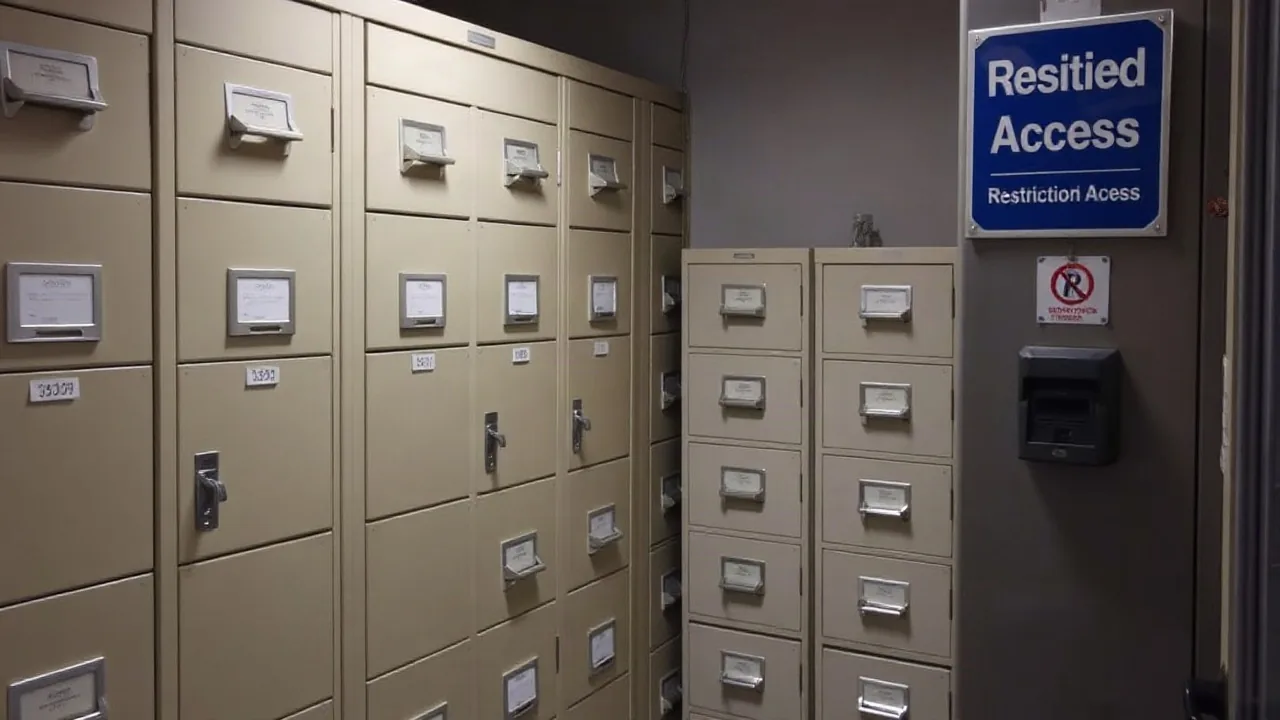
The handling of classified materials and presidential documents from the Donald Trump White House continues to draw intense scrutiny from lawmakers, security experts, and the public in 2026. Recent developments have highlighted gaps in confidentiality protocols and raised concerns about how sensitive government information was stored, accessed, and protected during the administration.
In August 2026, congressional investigators renewed their focus on document retention practices following discoveries of materials at Trump's Mar-a-Lago residence. The situation underscores broader vulnerabilities in how presidential records are managed and the legal frameworks governing their protection.
Dr. Margaret Chen, director of governance studies at the Brookings Institution, stated in an interview this month: "The Trump White House case revealed that even high-level administrations lack consistent protocols for handling sensitive materials. This is not merely a legal matter but a fundamental national security issue that demands systemic reform."
Classification Protocols and Storage Concerns
The core issue centers on how classified documents were stored after Trump left office in January 2021. Federal law requires presidents to transfer all presidential records to the National Archives, with classified materials placed under strict security protocols.
Multiple investigations found that sensitive materials remained in locations without proper security infrastructure. The storage conditions at Mar-a-Lago, a private club in Palm Beach, Florida, did not meet standards required by the National Archives and Records Administration (NARA) for handling top-secret or compartmented information.
Key findings from security audits include:
- Documents stored in unsecured office and residential spaces rather than approved facilities
- Lack of access logs tracking who reviewed classified materials
- Absence of dedicated secure storage with proper environmental controls
- No formal document inventory or cataloging system maintained
- Staff without required security clearances handling sensitive materials
These gaps created significant risk exposure. Classified information concerning military operations, intelligence sources, and diplomatic communications remained vulnerable to unauthorized access or foreign intelligence acquisition.
Legal and Institutional Framework Failures
The situation exposed weaknesses in existing legal structures designed to protect information security at the presidential level. While statutes like the Presidential Records Act and Espionage Act establish legal obligations, enforcement mechanisms have historically been weak or inconsistently applied.
The National Archives, responsible for receiving and securing presidential records, lacked authority to compel compliance before materials left the White House. Communication between NARA and the Trump transition team was limited, and no systematic handoff process ensured all sensitive materials were properly transferred.
Federal prosecutors charged individuals connected to the White House with violating federal statutes regarding handling of classified materials. However, these prosecutions highlighted that post-administration accountability often depends on aggressive investigation and prosecution rather than preventive systems.
Security experts argue the root problem lies in outdated institutional practices. Most presidential document protocols were established decades ago and have not adapted to digital-age threats. Cloud storage, encrypted communications, and network access present vulnerabilities that traditional physical-security measures do not address.
Implications for Future Administrations
The Trump White House case has prompted serious discussion about reforms to prevent recurrence. Congressional committees have proposed legislation to strengthen NARA's oversight authority and require more rigorous training on records retention for all White House staff.
Recommended reforms being debated in Congress include mandatory security clearance verification for all personnel handling classified materials, real-time digital tracking of document access, quarterly compliance audits, and criminal penalties for individuals who knowingly circumvent protocols.
The Office of the Director of National Intelligence has also issued guidance urging all federal agencies to review their information security practices. Several government inspectors general launched reviews of how their respective agencies safeguard confidential materials.
Tom Richardson, a former senior official at the State Department, noted in a July 2026 interview: "This episode demonstrates that no institution is immune to lapses in information security. Whether it is the White House or any federal agency, constant vigilance and updated systems are essential to protect national interests."
The broader lesson is that White House operations, despite their high stakes and national importance, operate under surprisingly informal document-management systems. Personnel changes occur frequently, training is inconsistent, and institutional memory is fragmented across administrations of different political parties.
Moving forward, officials expect stronger compliance measures, enhanced digital security infrastructure, and clearer accountability structures. Whether these reforms are institutionalized before the next presidential transition remains uncertain, but the 2026 revelations have created political momentum for change.