
Idaho Shooting: Cybersecurity Challenges for Law Enforcement
The Idaho shooting investigation has exposed critical gaps in how law enforcement agencies handle digital evidence, from smartphone forensics to cloud data preservation. Security experts say incident response protocols need overhaul.

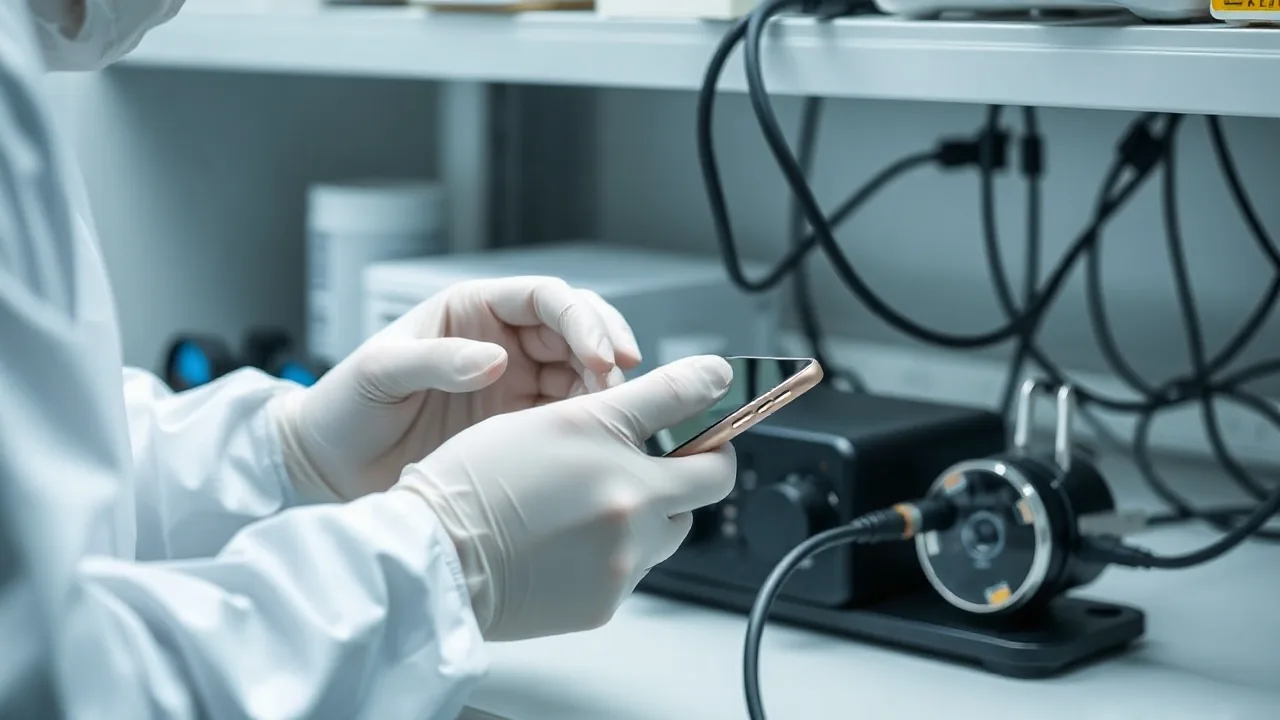
On July 30, 2026, law enforcement agencies in Bannock County, Idaho, began processing digital evidence from a mass shooting that claimed six lives in a residential area near Pocatello. Within hours, detectives faced a problem that extends far beyond traditional forensics: how to securely collect, preserve, and analyze data from the suspect's phone, cloud accounts, and connected devices without compromising the investigation or exposing sensitive information to unauthorized access.
The incident underscores a growing vulnerability in how American law enforcement agencies manage digital evidence during active investigations. Smartphones, laptops, and cloud-based records have become critical in most major cases, yet many police departments lack proper protocols for handling this sensitive material securely.
The Digital Evidence Collection Crisis
Idaho State Police and FBI investigators accessing the suspect's devices must navigate competing pressures: speed, accuracy, and cybersecurity. Unlike physical evidence, digital data can be altered, remotely accessed, or corrupted if proper isolation procedures are not followed.
"We see departments still plugging phones into unshielded networks, sometimes directly into evidence management computers running consumer-grade software," said Dr. Jennifer Liu, a digital forensics consultant at Cybersecurity Advisors International. "One breach during collection can invalidate evidence in court and expose victims' personal information."
The Bannock County investigation involves standard smartphone forensic analysis, but also raises questions about cloud account access. Detectives need to retrieve emails, location history, and messaging apps that may reside on servers maintained by major tech companies. Each company has different legal frameworks and preservation timelines, creating bottlenecks.
In 2026, the FBI's Innocent Images National Initiative reports handling over 12,000 cases requiring cloud data recovery, yet fewer than 40% of local police departments have trained personnel for these requests. The Idaho shooting case will likely require coordination across multiple agencies and vendors, each handling data differently.
Law Enforcement's Incident Response Gaps
The real challenge emerges in incident response protocols. When detectives first arrive at a crime scene, they must secure all connected devices without triggering remote wipes or leaving digital footprints that defense attorneys can exploit later.
Standard practice dictates placing phones in Faraday bags, isolating laptops from networks, and creating forensic images on air-gapped systems. Yet many Idaho police departments operate without dedicated cybersecurity staff or equipment for these procedures.
"The Pocatello Police Department and Idaho State Police both have forensic labs, but they're structured for DNA and fingerprint analysis," said a law enforcement cybersecurity consultant requesting anonymity. "Adding digital evidence workflows without proper training and infrastructure creates liability."
The investigation is also testing how agencies share sensitive data internally. During a major incident, detectives, prosecutors, crime scene technicians, and victim advocates may all need access to evidence. Unsecured file sharing or email can leak materials to the public, compromising victim privacy and endangering witnesses.
Why Cybersecurity Standards Matter Now
This shooting has reignited federal discussions about mandating national data security standards for law enforcement. Currently, guidelines exist but compliance is voluntary. States like California have pushed stricter protocols, but Idaho remains under baseline federal recommendations.
The National Institute of Standards and Technology (NIST) released updated guidance in March 2026 for law enforcement digital evidence handling, emphasizing encryption, access controls, and audit trails. However, adoption by smaller departments has been slow due to cost and training requirements.
At the federal level, investigators from the FBI's Cyber Division are expected to augment the local task force, bringing equipment and expertise for secure cloud data extraction. This collaboration will likely showcase best practices alongside local resource constraints.
The broader implication is clear: law enforcement agencies across the United States must upgrade their cybersecurity infrastructure to handle modern investigations. Without investment in training, equipment, and security protocols, evidence mishandling will continue to undermine prosecutions and endanger victim privacy.
The Idaho case will probably serve as a reference point in future law enforcement cybersecurity audits and congressional testimony. How the agencies involved secure and analyze digital evidence over the coming months will inform policy decisions affecting investigations nationwide.