
Sports Cybersecurity: Protect Your Fan Accounts This Season
As millions of fans stream games and access team apps during the 2026 season, hackers are targeting sports accounts for credential theft and fraud. Here's how to secure your login and personal data.

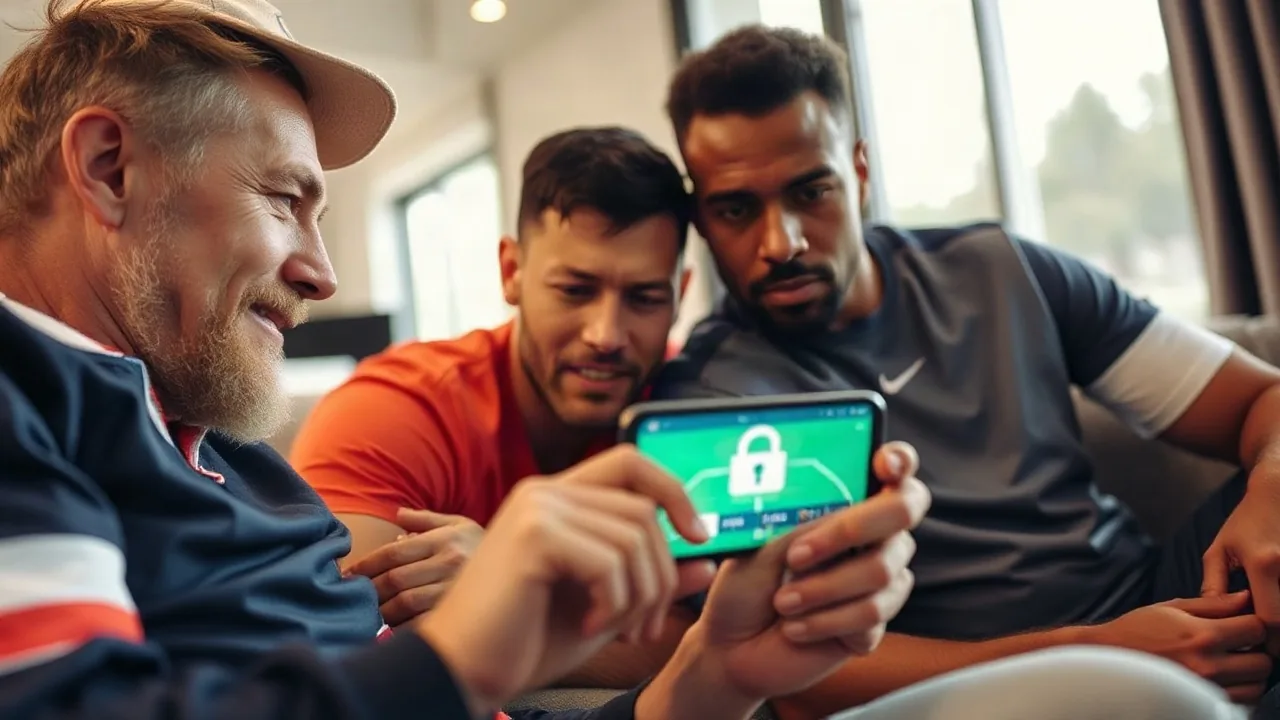
The Phoenix Suns face the Golden State Warriors tonight, and across the country, millions of fans are logging into streaming platforms, team apps, and sports betting sites to watch or wager on the game. What many don't realize is that these login credentials are a prime target for cybercriminals who exploit the rush and distraction of live sports viewing.
According to security researcher Maria Chen at ThreatWatch Labs, sports-related account compromises jumped 34 percent in the 2026 season compared to the same period last year. "Fans tend to use weak passwords for entertainment accounts because they don't think there's much at stake," Chen noted in a November 2026 report. "But once a hacker gains access to your sports app, they can reset your password, lock you out, and use your payment methods."
The stakes are higher than ever. Team apps, streaming subscriptions, and sportsbook accounts often store credit card information, home addresses, and phone numbers. A single compromised account can expose far more than just your ability to watch a game.
Why Sports Fans Are Vulnerable Right Now
The 2026 sports season has created a perfect storm for cyber attacks. Fans are juggling multiple platforms: official team apps, streaming services like ESPN+, social media, and online betting sites. Each login is a potential entry point.
Phishing campaigns are also timed to sports events. Scammers send fake emails claiming your account has unusual activity or that you've won a contest, then direct you to a lookalike website designed to steal your credentials. During major playoff games, security teams report a spike in these campaigns.
One additional risk comes from public WiFi networks in bars, restaurants, and sports venues. Fans often connect to unsecured WiFi to avoid using data while streaming, but this makes their traffic visible to anyone on the same network who knows how to intercept it.
Essential Steps to Protect Your fan accounts
Start with the foundation: a strong, unique password for each sports platform. A strong password is at least 12 characters and includes uppercase letters, numbers, and symbols. Never reuse passwords across accounts.
Enable two-factor authentication (2FA) on every account that offers it. This adds a second verification step, usually a code sent to your phone or generated by an authenticator app. Even if your password is compromised, a hacker cannot log in without that second factor.
The following protections should be your priority list:
- Use a password manager like Bitwarden or 1Password to generate and store complex passwords securely.
- Verify the URL before entering login credentials; scammers use domain names that closely mimic real sites.
- Avoid public WiFi when accessing accounts; use mobile data or a VPN if you must connect on shared networks.
- Set up account alerts so you're notified of login attempts from new devices or locations.
- Check your linked payment methods and remove outdated credit cards from your accounts.
Digital privacy also means reviewing your account settings regularly. Most streaming and team apps allow you to see which devices are currently logged in. Remove any devices you don't recognize.
What to Do If Your Account Is Compromised
If you notice unauthorized activity, act immediately. Change your password from a secure device and enable 2FA if it wasn't already active. Contact the platform's support team to report the breach and request a security review of your account.
Check your linked payment methods and contact your bank or credit card issuer if charges appear. Most financial institutions can reverse fraudulent charges within 60 days. File a report with the Federal Trade Commission at IdentityTheft.gov if personal information was exposed.
Online safety during the sports season also includes monitoring your email for suspicious password reset requests. If someone tries to reset your password without your knowledge, it signals an active attack. Respond by securing your email account itself, since that's often the master key to other accounts.
Many fans overlook fan data protection until something goes wrong. But the 2026 season has shown that proactive security habits pay off. Teams like the Suns and Warriors now include security tips in their fan communications, acknowledging that protecting personal data is part of the gameday experience.
The difference between a secure fan and a victim often comes down to one or two decisions made during the excitement of a live game. Take five minutes before the season starts to set up 2FA and a strong password. That small investment can prevent weeks of dealing with fraud and identity theft.