
Startup's Nighttime 'Sunlight' Test Sparks Outcry From Astronomers
An American startup's recent test of illuminating Earth with reflected sunlight from orbit has triggered widespread criticism from the astronomy community, who were not consulted.

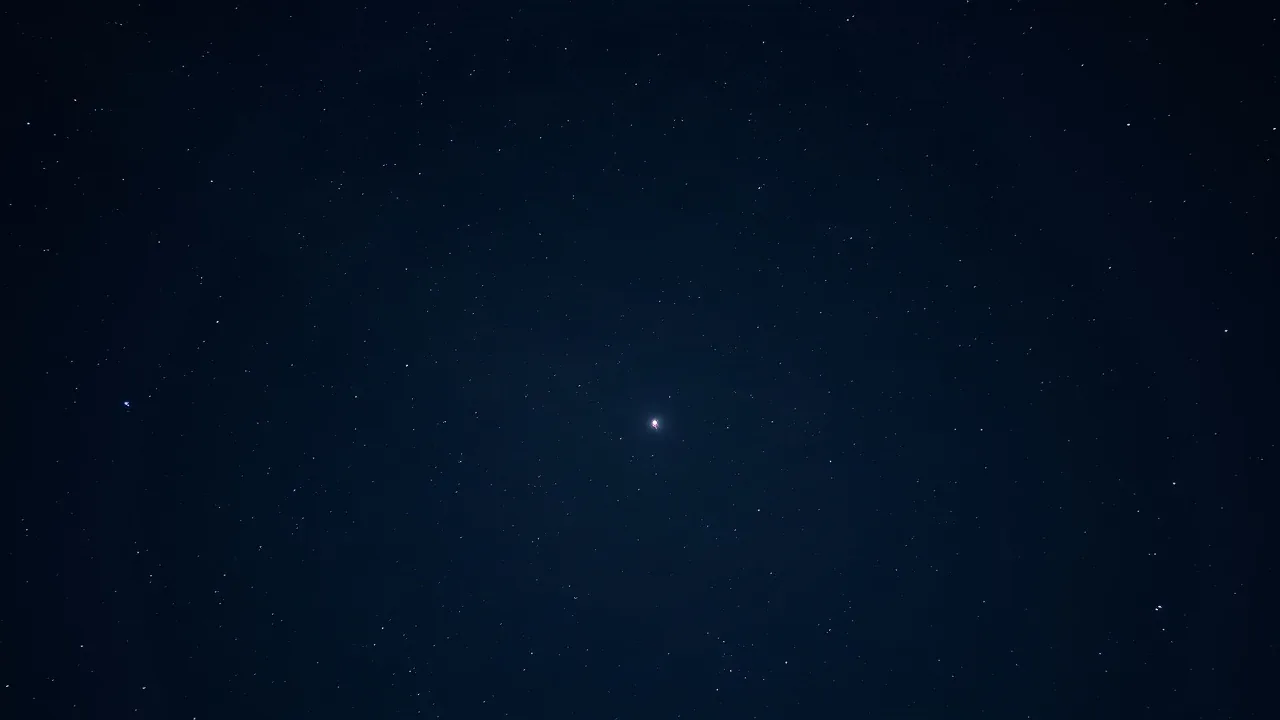
A U.S.-based startup has ignited a firestorm of controversy for conducting a test that aimed to illuminate Earth with reflected sunlight from orbit during nighttime hours. The company, Solestial, claims its technology could offer "sunlight as a service" by using a large orbital mirror to redirect solar radiation. However, the demonstration, which reportedly occurred in California's night sky, has drawn sharp condemnation from astronomers and skywatchers who were unaware of the project.
The core of the criticism centers on the potential for light pollution and interference with astronomical observations. Scientists argue that any artificial source of light in the night sky, especially one as powerful as redirecting sunlight, poses a significant threat to sensitive telescopes and the study of celestial objects. Dr. Anya Sharma, an astrophysicist at the SETI Institute, expressed grave concerns, stating, "This project is not just ill-conceived, it's potentially dangerous for astronomical research. We were given no warning, and the implications are staggering."
Potential for Light Pollution and Interference
Solestial's concept involves deploying a large, thin-film mirror in low Earth orbit. This mirror would be precisely positioned to capture sunlight and reflect it onto specific areas on Earth's surface after sunset. The company envisions applications ranging from providing localized lighting for remote areas to extending daylight for agricultural purposes or even for nighttime sporting events. However, the execution of a recent test, which purportedly made parts of the night sky appear unnaturally bright, has fueled anxieties about unintended consequences.
Astronomers emphasize that even faint light sources can disrupt delicate observations of distant galaxies, nebulae, and other faint celestial phenomena. The International Astronomical Union (IAU) released a statement on October 26, 2026, urging for greater transparency and international cooperation in such space-based endeavors. "The night sky is a shared resource, and any attempt to alter its natural state requires rigorous scientific assessment and broad stakeholder consultation," the statement read. Critics also point out the lack of peer-reviewed data or independent verification of Solestial's test results or its purported minimal impact.
The controversy underscores a growing tension between commercial space ventures and the scientific community. As more companies launch satellites and develop ambitious space-based technologies, the need for clear regulatory frameworks and ethical guidelines becomes increasingly apparent. The incident has prompted calls for enhanced oversight from organizations like the United Nations Office for Outer Space Affairs (UNOOSA) to address potential light pollution from orbital infrastructure. This situation is a stark reminder that even as humanity reaches for the stars, the preservation of Earth's natural wonders, like the pristine night sky, remains a critical challenge.
Solestial has not yet issued a detailed public response to the backlash, though a company spokesperson indicated they are "committed to working with the scientific community to address any concerns." However, for many astronomers, the initial lack of communication during the test has already eroded trust. The debate is likely to intensify as Solestial plans further demonstrations, raising questions about who ultimately controls and benefits from altering the celestial canvas above.