
EV Charging Infrastructure Shapes Urban Mobility's Future
Cities across America are racing to expand electric vehicle charging networks as demand surges. Infrastructure gaps remain a critical barrier to mass EV adoption in 2026.

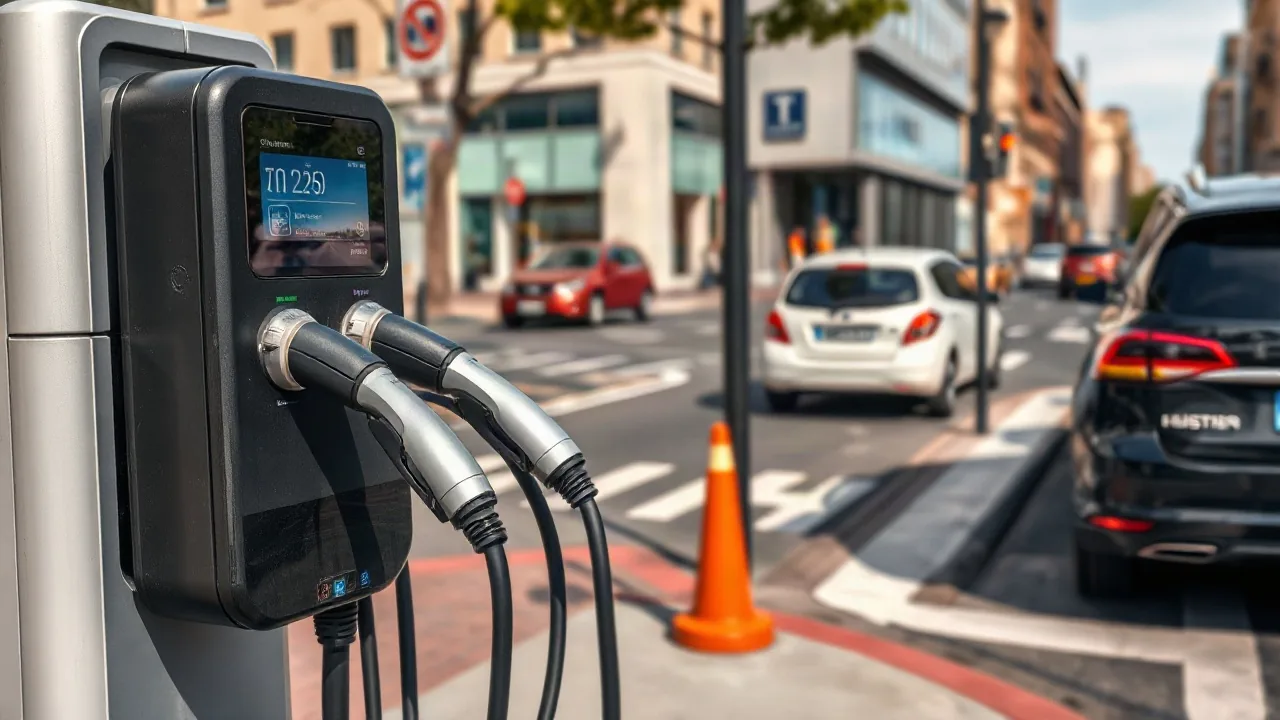
Las Vegas is installing its largest public EV charging hub in downtown this fall, a move driven by Nevada's commitment to reduce emissions and support the growing number of electric vehicles on city streets. The 50-stall facility represents a pivotal moment for how American cities approach urban mobility infrastructure.
As of August 2026, the United States has over 68,000 public charging ports, according to the Department of Energy's Alternative Fuels Data Center. That number has doubled since 2022, yet it remains insufficient for the 2.3 million electric vehicles currently registered in the country. The gap between supply and demand highlights the urgency of continued expansion.
"The charging network is the backbone of EV adoption," says Dr. Marcus Chen, senior analyst at the Institute for Transportation and Development Policy. "Without it, even buyers interested in switching from gasoline cars will hesitate. Infrastructure deployment directly influences consumer confidence."
Current State of Charging Networks
Today's charging stations fall into three categories based on power delivery speed. Level 1 chargers, the slowest, add 2 to 5 miles of range per hour. Level 2 chargers, found in homes and parking lots, provide 10 to 25 miles of range per hour. DC fast chargers, essential for road trips, deliver 100 to 200 miles of range in 20 to 30 minutes.
The distribution of these chargers remains uneven. Urban cores and interstate corridors have dense networks, while rural areas and lower-income neighborhoods face significant gaps. California leads the nation with 18,400 public charging ports as of mid-2026, while Mississippi has fewer than 400. This disparity mirrors broader inequities in sustainable transport access.
Tesla's Supercharger network dominates fast-charging infrastructure, controlling roughly 40 percent of DC fast-charging locations. The company began opening its network to other vehicles in 2023 and now operates over 13,000 Supercharger stations globally, with 5,200 in North America. Non-Tesla networks operated by Electrify America, EVgo, and others have grown but remain smaller in scale.
Charging speed standards continue to evolve. The industry increasingly adopts the North American Charging Standards (NACS) connector, which Tesla pioneered. By 2026, most new fast-charging installations use NACS, simplifying the experience for drivers across brands.
Smart Infrastructure and Grid Integration
Modern charging networks are becoming intelligent systems that communicate with the electrical grid. Bidirectional chargers, which send power back to the grid from vehicle batteries, began pilot deployments in California and Texas during 2024 and now operate in over 20 states. This technology helps balance grid demand during peak hours while providing backup power during outages.
Software platforms now coordinate charging across thousands of stations. Apps from Plugshare, A Better Route Planner, and manufacturer-specific services let drivers locate available chargers, reserve spots, and monitor charging in real time. Integration with navigation systems means vehicles can automatically suggest charging stops on long trips.
Cities implementing smart charging strategies report meaningful results. Austin, Texas reduced peak-hour grid strain by 15 percent through demand-response charging incentives introduced in 2025. Denver's pilot program optimized charging during off-peak hours, saving drivers an average of $8 per charge while cutting grid pressure.
The Biden administration's Bipartisan Infrastructure Law allocated $7.5 billion specifically for EV charging through 2032. By mid-2026, projects have begun in all 50 states, with funding targeting underserved areas. Projects include corridor chargers along 35,000 miles of highways and community chargers in rural and low-income neighborhoods.
Why Charging Readiness Matters Now
Electric vehicle sales have slowed in 2026 after rapid growth in prior years, and lack of charging confidence remains the top reason cited by hesitant buyers. A March 2026 survey by Cox Automotive found that 52 percent of non-EV owners cited charging concerns as a barrier, up from 45 percent in 2024.
Corporate fleets are accelerating adoption faster than consumers. Amazon aims to deploy 100,000 electric delivery vehicles by 2030 and has invested heavily in charging infrastructure at its facilities. UPS converted 5,000 of its fleet to electric by mid-2026 and continues expansion, creating private charging ecosystems that reduce dependence on public networks.
Residential charging remains critical but incomplete. Roughly 65 percent of American households have access to off-street parking, yet home charging installation costs range from $500 to $2,500 for Level 2 equipment. Renters and apartment dwellers face even steeper barriers, as building owners hesitate to invest in infrastructure for transient residents.
Standards for apartment and multi-unit dwelling charging are emerging. California's Title 24 Building Code now requires rough-in conduits in new construction, and similar measures have appeared in New York and Illinois. However, retrofit costs for older buildings remain prohibitive without subsidies.
Looking ahead, the scale of infrastructure needed is immense. If electric vehicles reach 50 percent of new car sales by 2030, the country will require an estimated 2.4 million public and private charging ports. Current deployment rates suggest the nation will fall short without accelerated investment and streamlined permitting processes.