
Massive Atlantic Freshwater Reservoir Found Off US East Coast
Scientists have confirmed a vast freshwater reservoir beneath the Atlantic Ocean seafloor, potentially holding enough water to supply New York City for 800 years. The discovery offers hope amid global water scarcity.

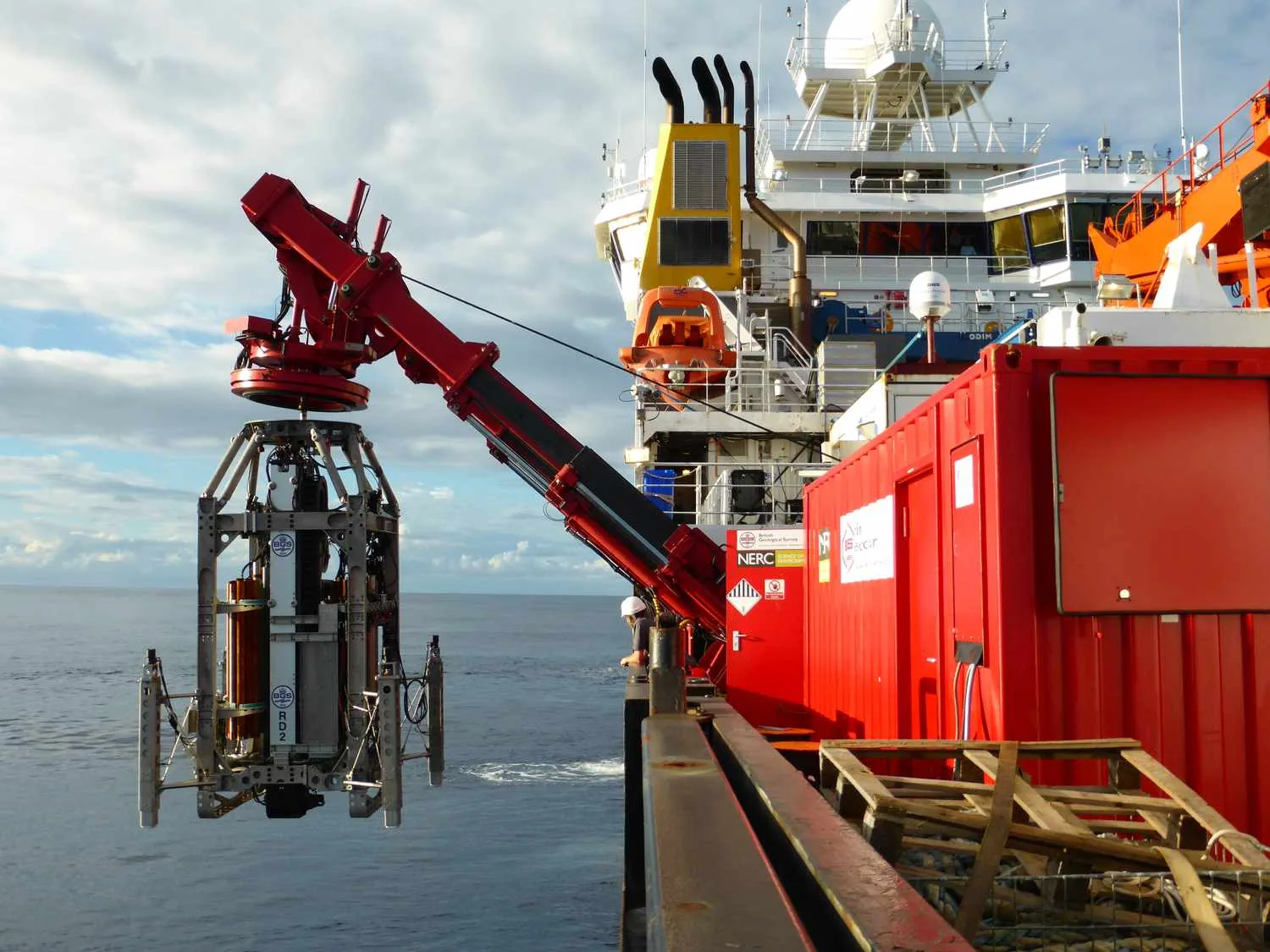
A colossal freshwater reservoir has been confirmed to lie beneath the Atlantic Ocean seafloor, extending along the U.S. East Coast from New Jersey to Maine. Scientists involved in Expedition 501 announced in early 2026 that this immense underground reserve holds an estimated volume of water sufficient to meet the needs of New York City for approximately 800 years, offering a potential lifeline amidst increasing global water scarcity.
The significant discovery was made by a team of researchers during a three-month drilling mission led by geophysics professor Brandon Dugan of the Colorado School of Mines and Rebecca Robinson, in collaboration with the International Ocean Discovery Program. Between May and August 2025, the expedition drilled into the continental shelf near the islands of Nantucket and Martha's Vineyard. Recovering approximately 13,200 gallons of water from depths reaching up to 1,300 feet below the seabed, the scientists analyzed sediment samples. They found that a substantial band of sediment was saturated with water that was markedly less saline than the surrounding ocean. Crucially, the freshest samples, obtained from sites nearest to the shore, met the U.S. drinking water safety standards for salt content.
“We were excited to see that freshened water exists in multiple kinds of sediments — both marine and terrestrial,” Professor Dugan stated. “Freshened water in such different materials will help us understand the conditions that emplaced the water.” The presence of this freshwater reservoir had been theorized for decades. As far back as the late 1960s and early 1970s, the U.S. Geological Survey had detected unusually fresh water beneath the Atlantic seafloor during routine offshore resource assessments, hinting at a much larger, previously unconfirmed deposit.
The Last Ice Age's Legacy
Current analysis of the recovered sediment samples suggests the reservoir's origins trace back to the last ice age, approximately 20,000 years ago. The leading scientific theory posits that vast ice sheets pushed meltwater deep into underlying sediments. As sea levels fluctuated dramatically during this period, this freshwater became trapped, remaining preserved beneath the ocean floor for millennia. “Whatever emplaced that water didn't care if there was a seal. There was enough energy to flush it with fresh water,” Professor Dugan explained to Live Science, detailing the immense geological forces at play.
While this finding presents a promising development in addressing the global water crisis, the research team emphasizes that practical access to this resource is still a distant prospect. The complexities and substantial costs associated with extraction, coupled with potential environmental impacts on the surrounding marine ecosystem, present significant hurdles. For the immediate future, the scientists are prioritizing a deeper understanding of the reservoir itself. Key research questions include determining its precise geographic extent, investigating potential connections to onshore aquifers, and assessing whether the reservoir is subject to natural replenishment processes.
Professor Dugan concluded, “Our goal is to provide an understanding of the system so if and when somebody needs to use it, they have information to start from, rather than recreating information or making an ill-informed choice.” This meticulous approach aims to ensure that any future utilization of this extraordinary resource is based on comprehensive scientific data, preventing potentially detrimental decisions driven by incomplete knowledge of the Atlantic Ocean's hidden depths.