
Arctic Sea Ice Thickening: New Experiment Shows Promise, Faces Scale Challenges
A novel field experiment in Nunavut successfully thickened Arctic sea ice using pumped seawater, boosting its reflectivity and slowing melt. However, significant challenges remain for large-scale deployment.

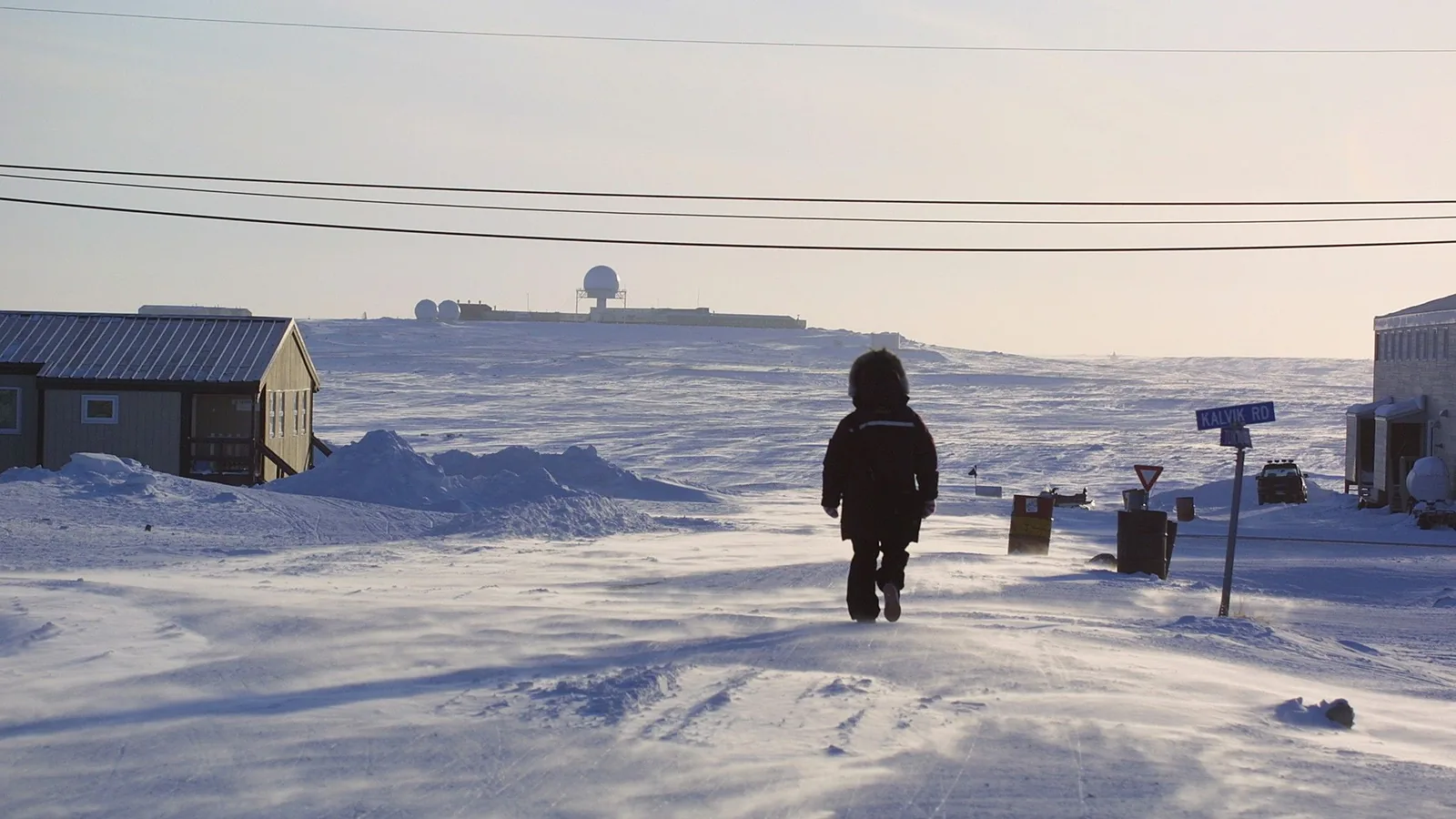
Researchers have conducted the first successful field experiment to deliberately thicken Arctic sea ice by pumping seawater onto existing frozen surfaces, a method that shows considerable promise for combating ice melt. The experiment, carried out in Cambridge Bay, Nunavut, Canada, demonstrated that this technique can significantly increase both the thickness and reflectivity of sea ice on a small scale. This innovation comes as scientists explore various geoengineering solutions to slow the catastrophic melting of the Arctic, a critical region facing accelerated warming.
The study, published on May 22 in the journal Earth's Future, involved setting up eight test sites and three control sites during the winter of 2024-2025. Using submersible pumps, researchers flooded the test areas one or two times with up to 8 inches (20 centimeters) of seawater. By spring, these flooded areas had grown up to 12.6 inches (32 cm) thicker than the control sites. This increase in thickness is roughly equivalent to the amount of ice thinning observed in the Arctic over the past five decades. The experiment also found that the thickened ice was brighter, reflecting more sunlight back into space and exhibiting slower melt rates during the subsequent warmer months.
Edward Blanchard-Wrigglesworth, a research associate professor at the University of Washington's Department of Atmospheric Sciences, and Andrea Ceccolini, an honorary professor at University College London and CEO of the startup Real Ice, highlighted existing practical applications of sea ice thickening. "Practical applications [that already exist] include building ice roads and creating platforms for offshore oil exploration," they stated in an email to Live Science. They also noted that modeling suggests sea ice thickening could serve as a vital climate adaptation tool for Arctic communities, helping to mitigate coastal erosion, improve travel safety, and support wildlife migration and hunting.
Scaling the Solution: A Major Hurdle
Despite the encouraging results, the primary obstacle to widespread adoption is the immense challenge of scaling this technique to cover the vast Arctic Ocean. Previous modeling indicated that covering just 10% of the Arctic Ocean would require an estimated 10 million wind-powered pumps, while covering the entire ocean would necessitate 100 million. "It is reasonable to ask whether such an endeavor is financially feasible or even logistically possible," researchers noted in a 2016 study. The logistical complexity and cost of deploying and maintaining millions of pumps across remote and harsh Arctic environments remain significant unanswered questions.
The urgency of the situation is underscored by the fact that Arctic sea ice extent has shrunk by 20% since 1979, with this loss accelerating due to global warming. For sea ice thickening to be effective on a large scale, deployment would need to begin almost immediately while substantial ice cover still exists. However, further research is required to fully understand the ecological and social impacts, as well as the long-term feasibility, of such a massive undertaking. This research pipeline may cause delays, potentially making the solution too late to implement effectively.
Furthermore, a review published last year concluded that sea ice thickening, when considered at a scale meaningful for broader Arctic protection, is "simply not feasible for use at a scale and at a rate that would be meaningful for sea ice protection." Issues of governance, high maintenance needs, and operational challenges all contribute to these doubts. Nevertheless, researchers are actively pursuing advancements. Unpublished trials from the recent winter showed even more significant thickening, with test areas growing 20 inches (50 cm) thicker than control sites, according to The Guardian. To address deployment challenges, efforts are underway to develop autonomous systems, including underwater robotic technology and prototype re-icing drones tested earlier this year in Finland.